Click here to sign up for notifications on Facebook, Instagram, and YouTube.
Here are some tips and tricks for managing classroom behavior so that you and students can get the most out of your time together. Check out this link for object lessons and games you can play with students to help instill many classroom behavior objectives in a fun and memorable way.
Behavior Games & Object Lessons
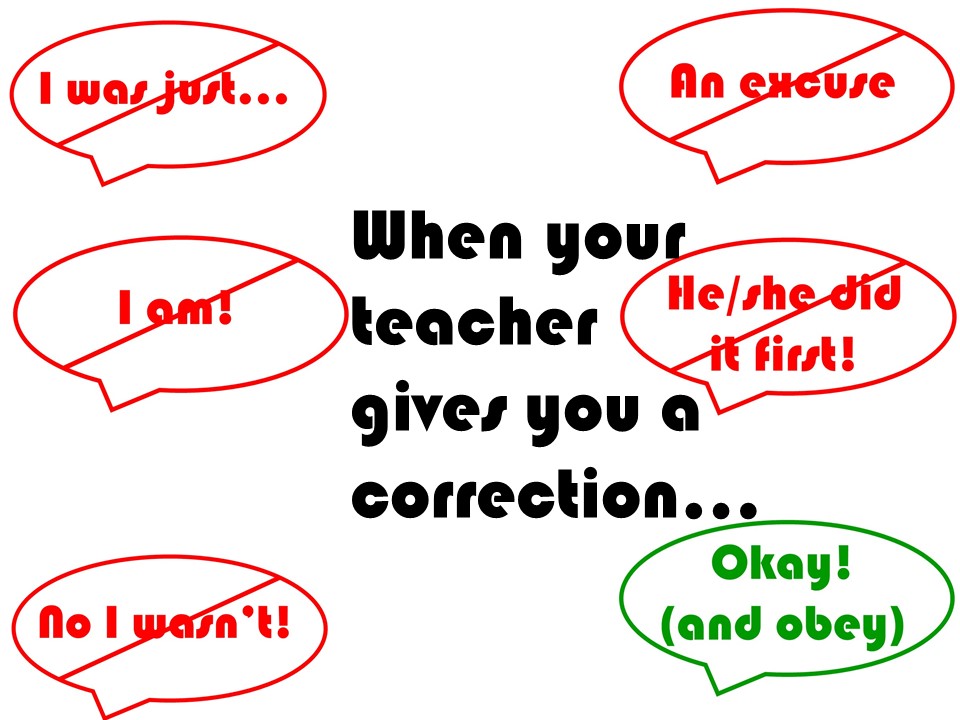
Okay & Obey
Children can often be sensitive to correction, even when it is just little things that don’t get them in trouble. To help them understand that an instruction is just that, and nothing to feel self-conscious about, use these on your classroom wall as a reminder for how to respond to corrections.
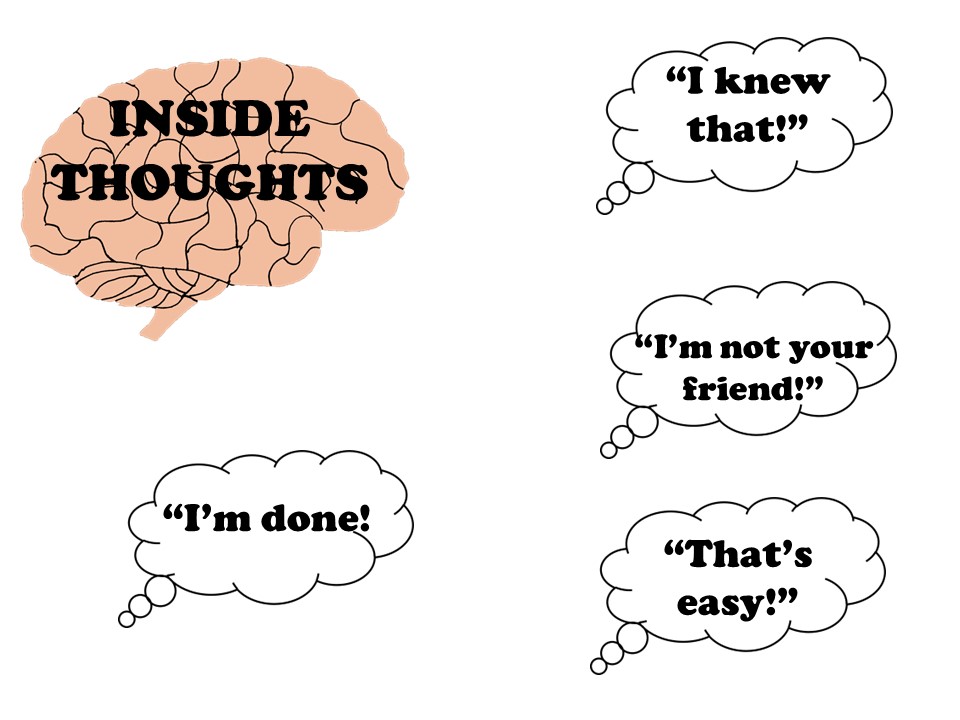
Help students remember which thoughts need to stay inside with these on your wall:
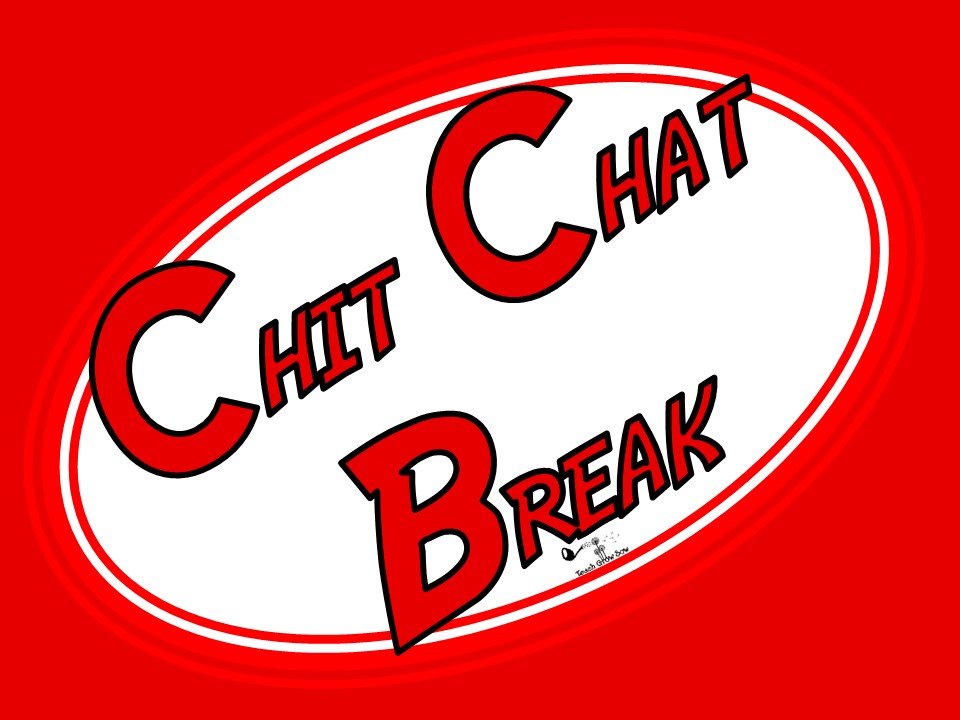
Chatty students? Try rewarding making it through a set amount of time with no chit chat with exactly what they want: a Chit Chat break. Use this as a slide on your board, or print and laminate it as a poster. You can give chit chat breaks before a lesson to help them get all their thoughts out, write numbers on clothespins to show how long the next chit chat break will be for the whole class (removing the largest number first, until 0 minutes are left), or put students’ names on clothespins to indicate who gets to participate in the next chit chat break, and remove them when they are talking during lessons.
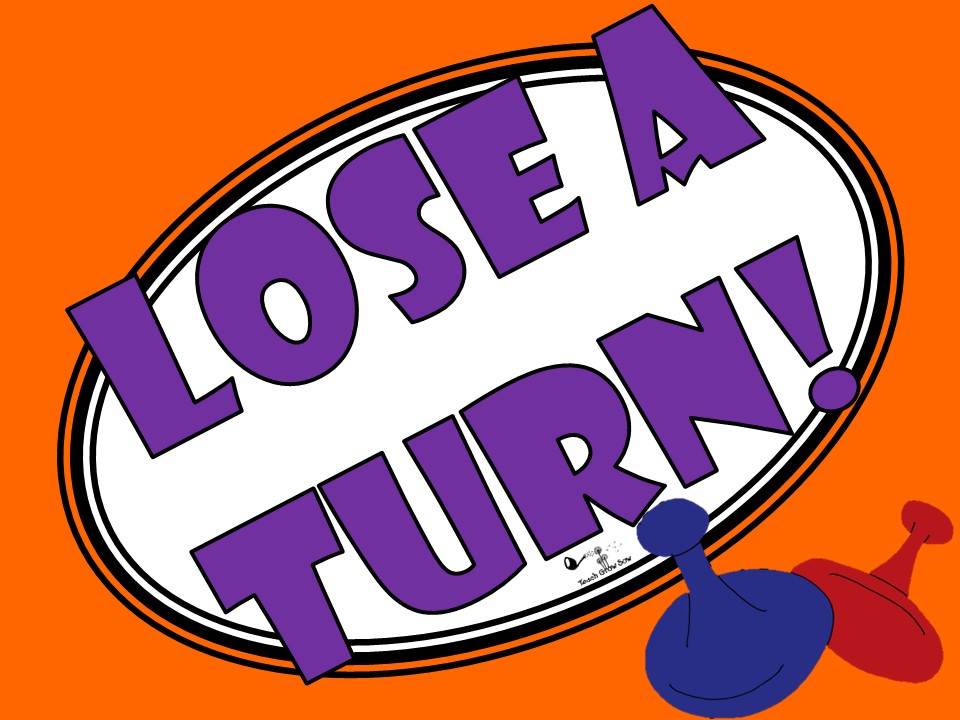
One way to deal with students calling out is to let them know they will lose their next turn sharing if they don’t wait to be called on. Those who call out are usually the ones who most want to participate in discussions, so losing a turn can give them the needed motivation to use more self-control. Point to this sign as a silent way of letting a student know they have used their turn. If you have popsicle sticks with students’ names on them (or some similar system), take that child’s popsicle stick out of the bin when they call out.
A fun way to teach this is to play a round of stickman and take away pretend minutes when the class is all calling out.
Quiet Please
How often has this happened? A child is making noise during quiet work time or when others are trying to present to the class or a group. You call out the student’s name and ask them to stop talking, squeaking their shoes, kicking their desk, etc. The student replies, “No, I wasn’t,” or even, “It was so-and-so,” followed by the other student arguing it wasn’t them and thus turning what should have been a short request into a long conversation or even argument. Instead, just say, “QP” for “quiet, please.” No names get mentioned, but the whole class is expected to check to make sure they are not doing something distracting.
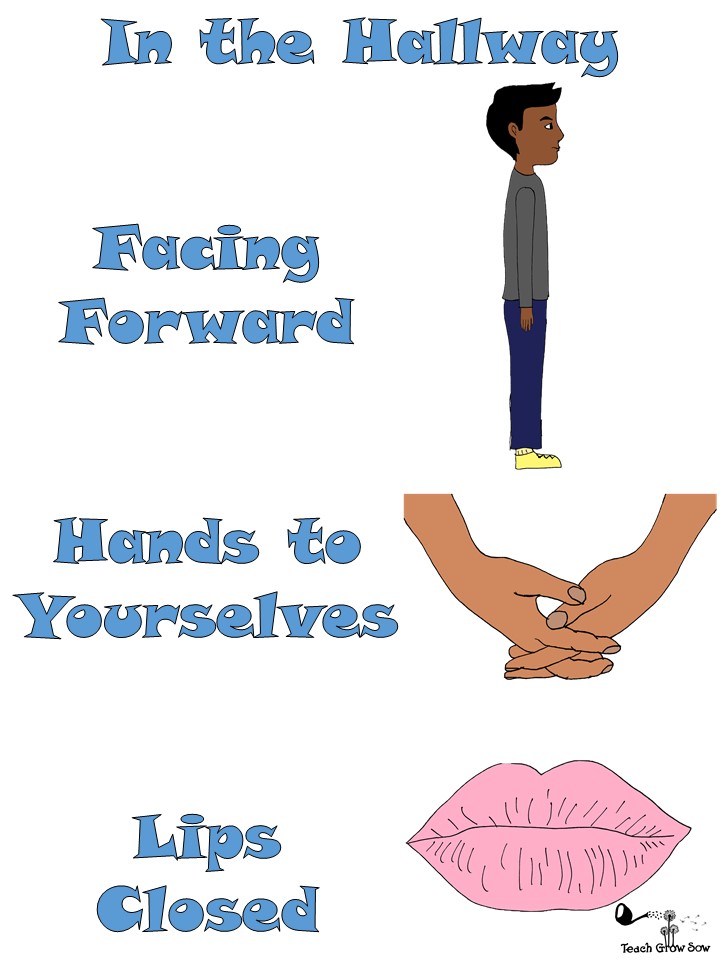
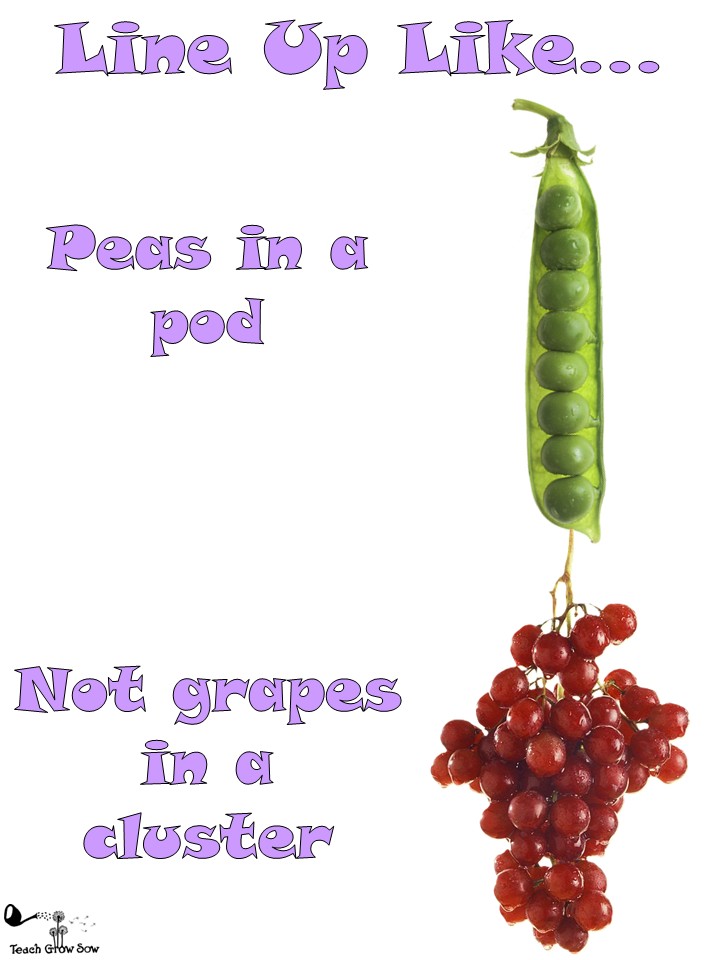
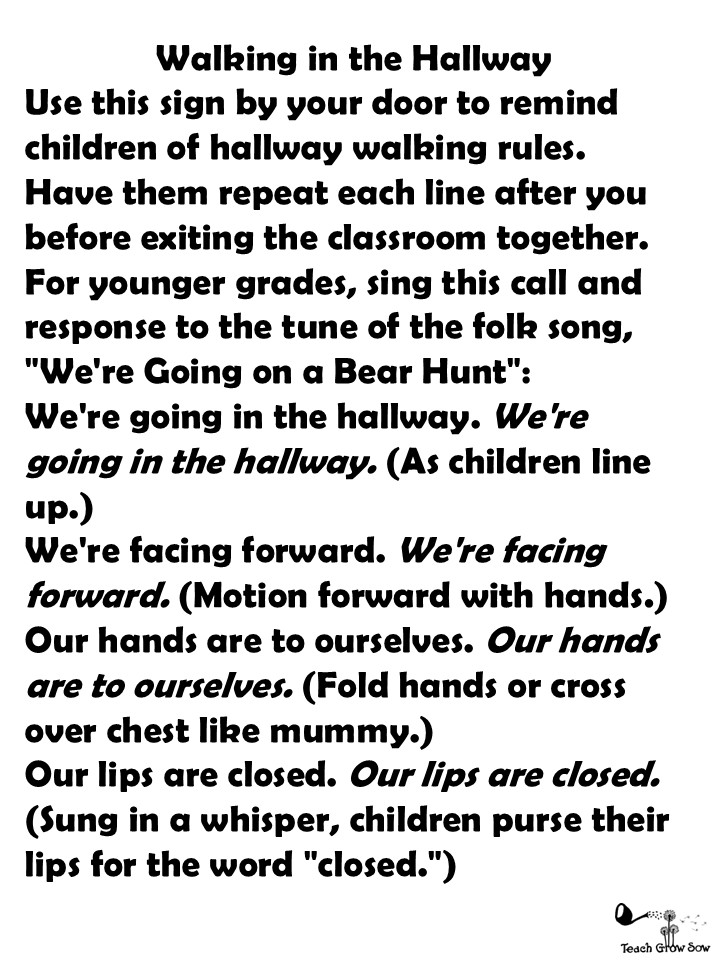
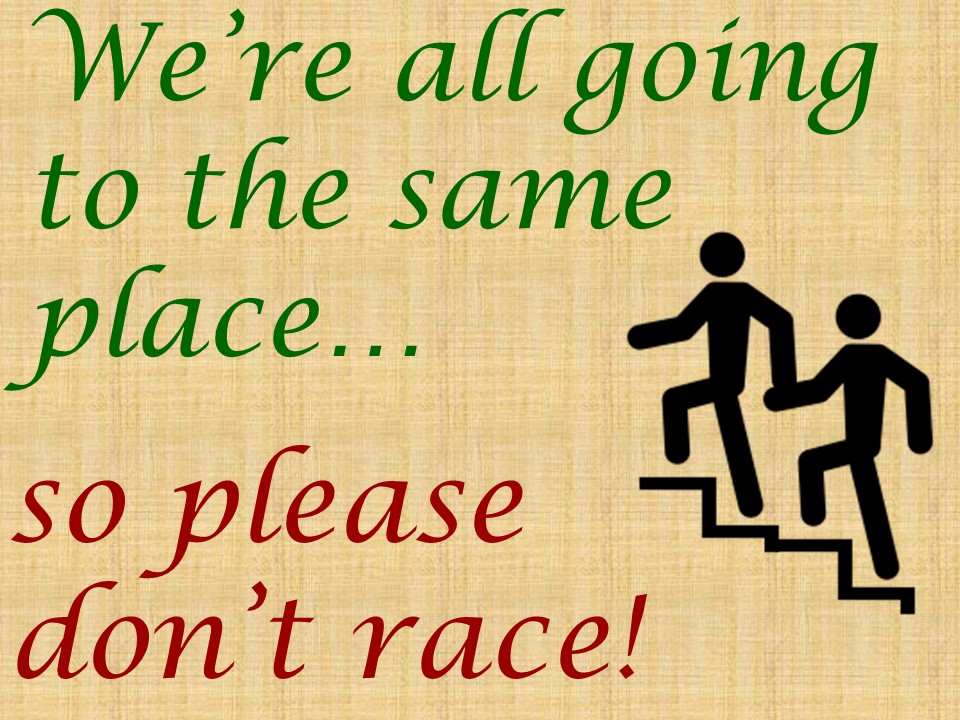
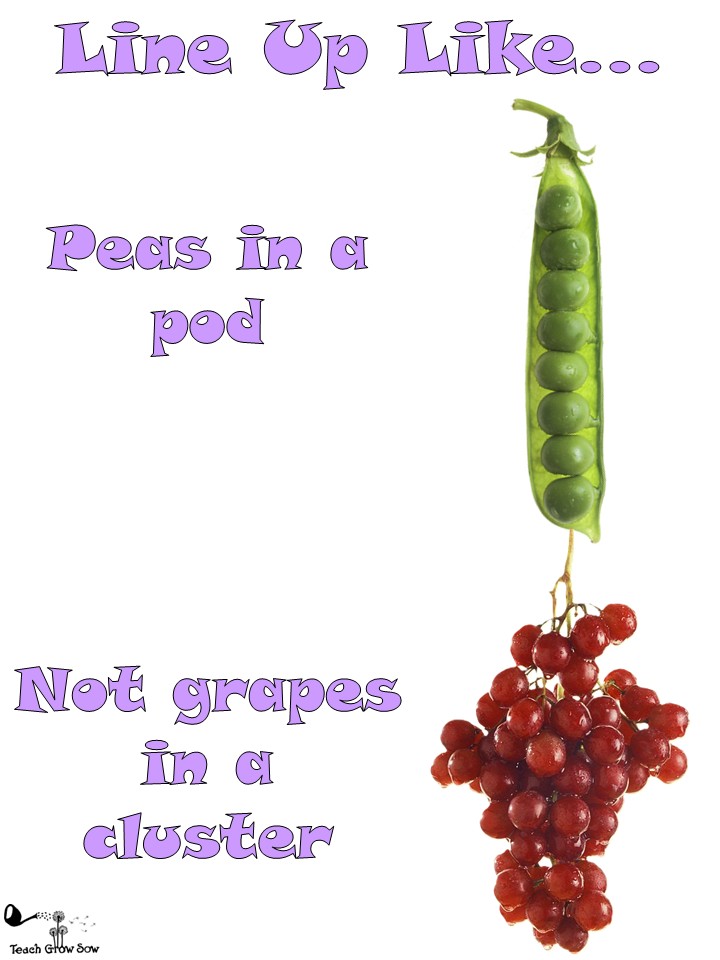
Lining Up & Walking in the Hallway

Sticky Note Solutions
Are students constantly asking irrelevant questions during a lesson that interrupt the flow of learning for others? Give each child a stack of sticky notes to keep at their desks for writing these questions on and sticking them to the front of their desks. Silently collect the notes and write or speak your answer at a more appropriate time. When introducing the practice, have students practice examples of questions that are off topic. Make sure they know that their sticky notes will be taken if they use them for passing notes or doodling. When students ask these questions aloud, just make a square with your fingers to silently indicate you want them to write it on their sticky note instead.

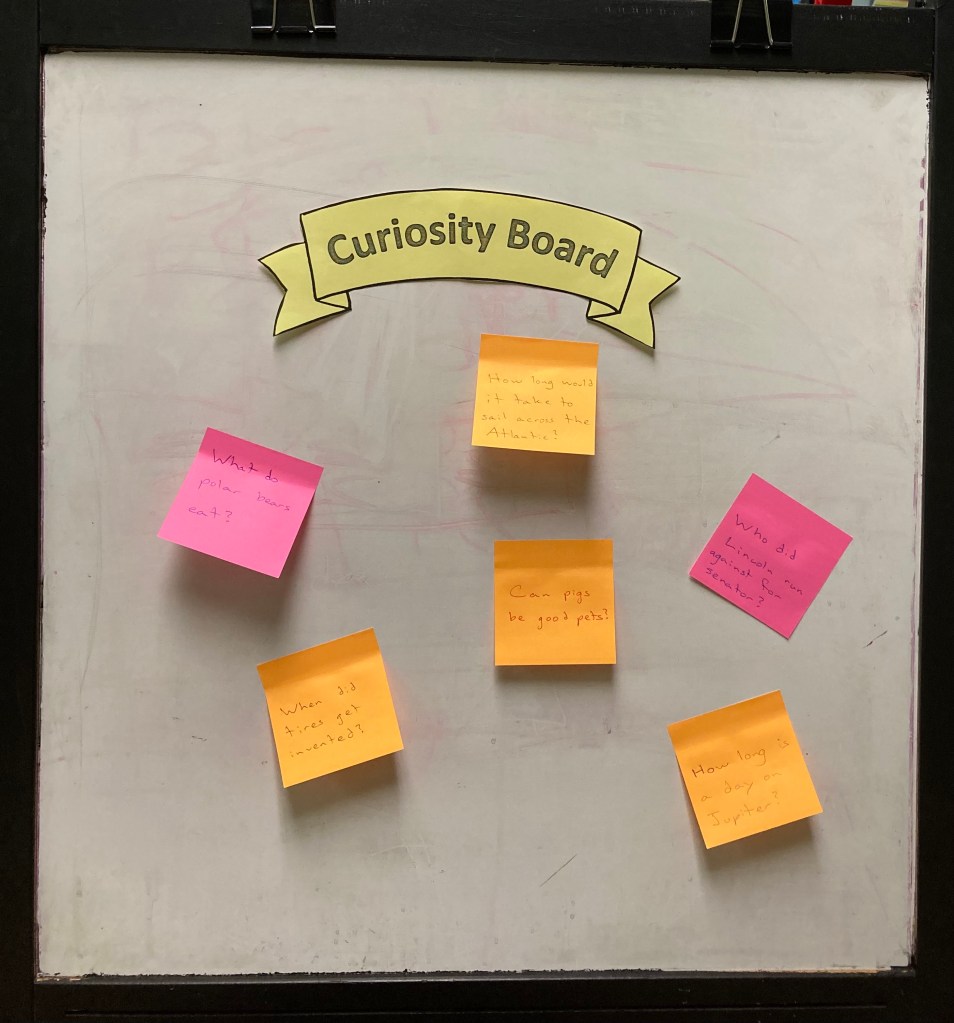
OR, print this banner onto ledger paper and put it at the top of a designated location where sticky notes can be left until you have time to answer their questions.
Turn Desks Around
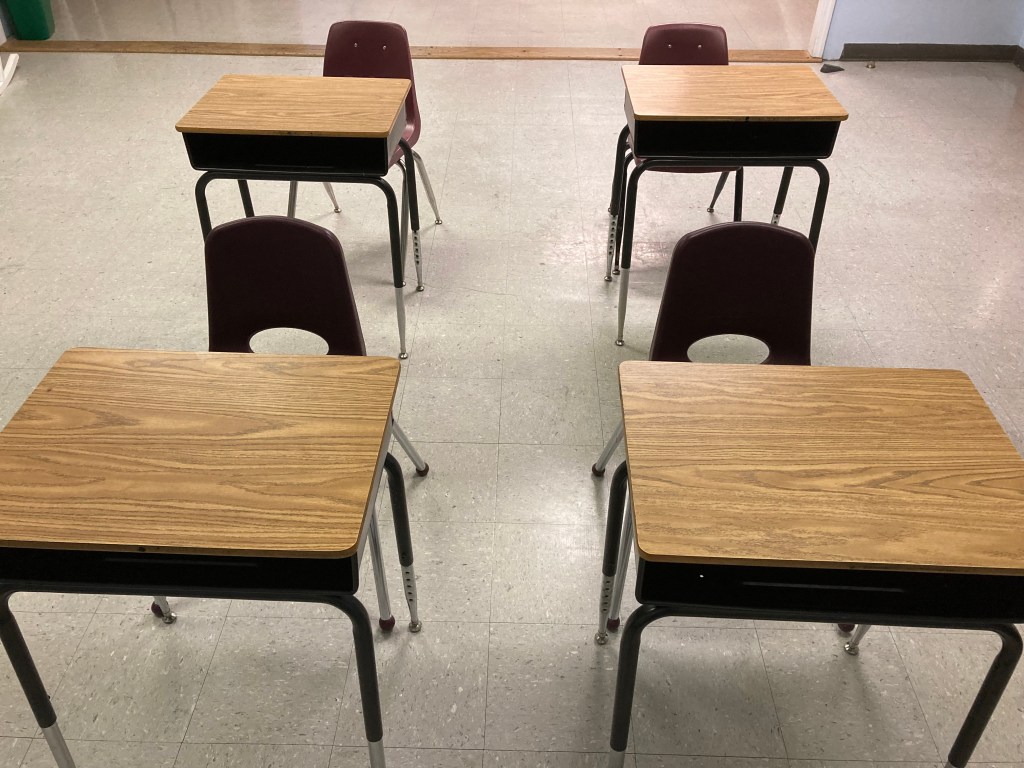
Can’t get students to stop playing with things in their desks during learning time? Rather than wasted your whole day reminding them to leave their supplies alone when they don’t need them, simply turn their desks around. Students will have to get up when they need supplies, but the stretch break will be good for them anyway.
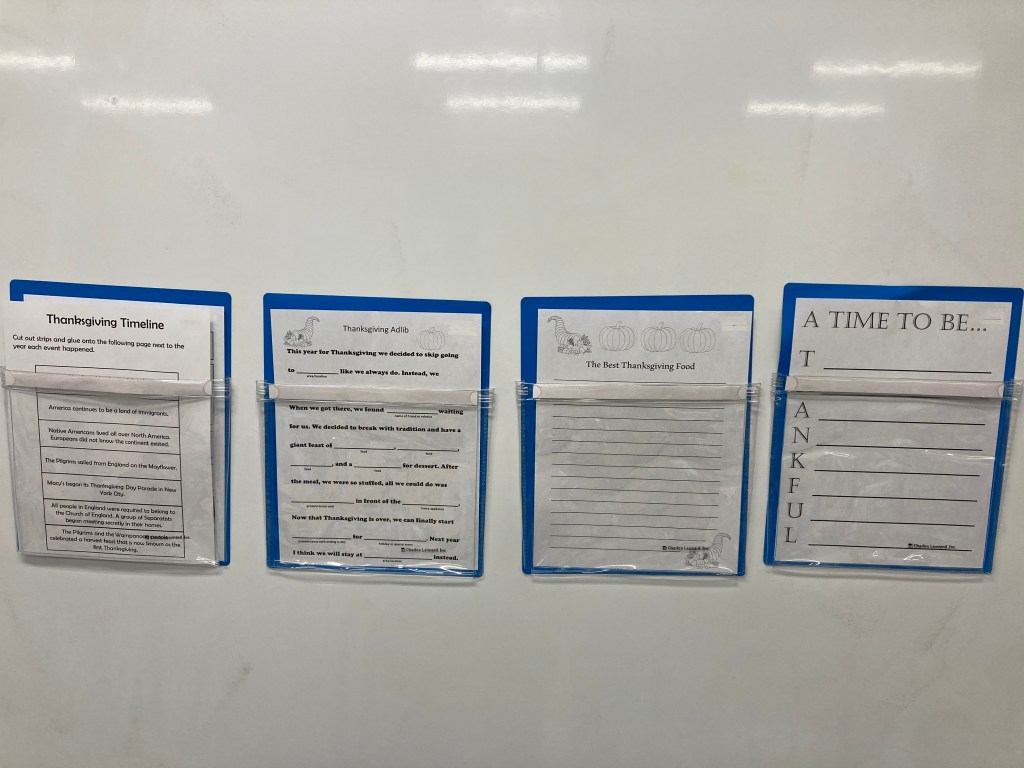
Want to give students options of what to do when they finish independent work early? Just put several magnetic page holders on your board so their choices are right in front of them. Switch up what’s in the holders for each lesson.
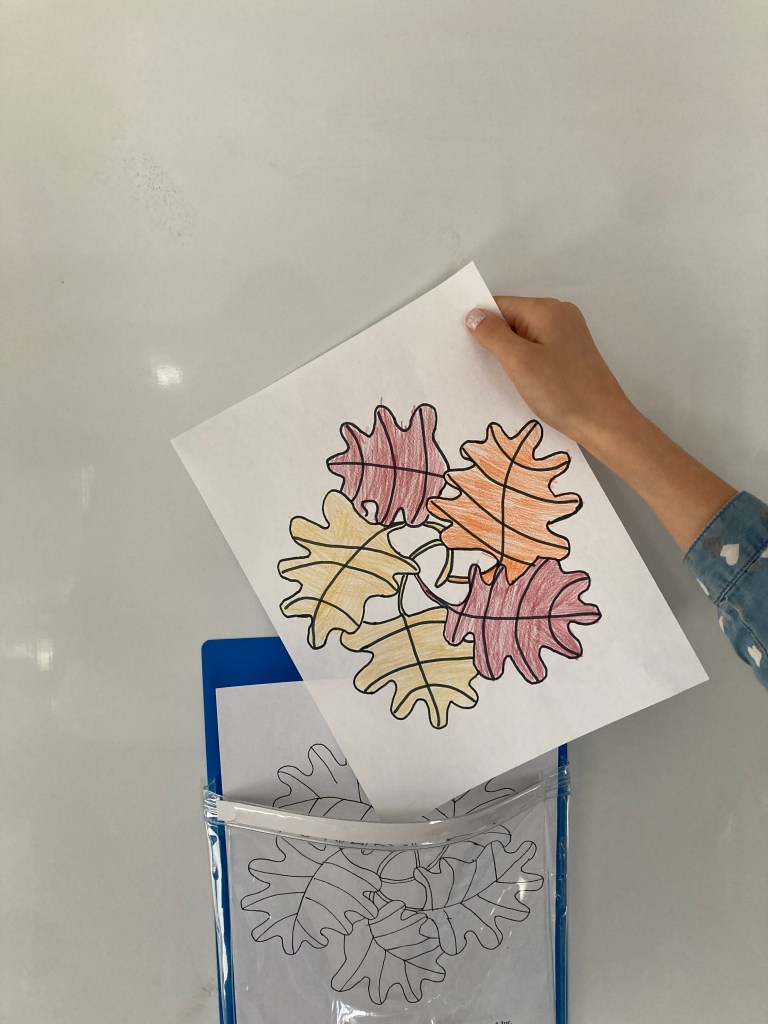
Use magnetic page holders to keep track of work to turn in. Simply place your teacher copy in the slot and put it up on the whiteboard. Students will know exactly where each worksheet belongs.
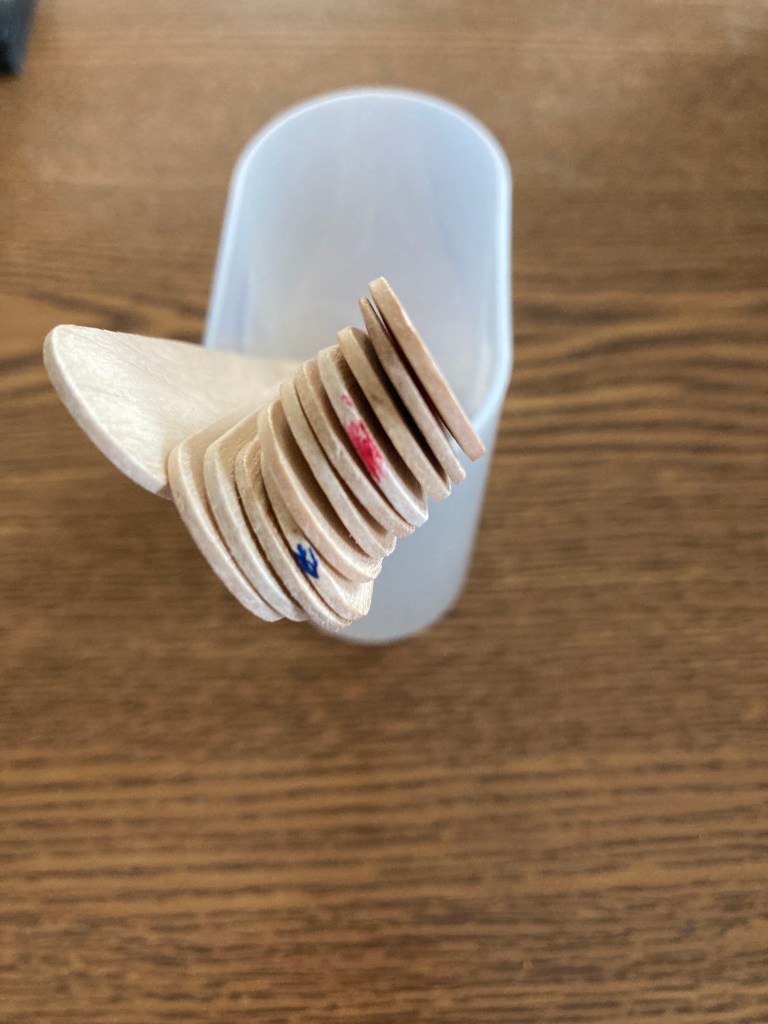
Pulling names on popsicle sticks is a great way to make sure all students know they need to be focused and ready with an answer during class reviews. But if you have one or two students with anxiety who you don’t want to have to call on if you sense it’s not a good day for them, you may wind up never using them. Simply make a marker dot on the top end of the stick so you know not to pull those ones.
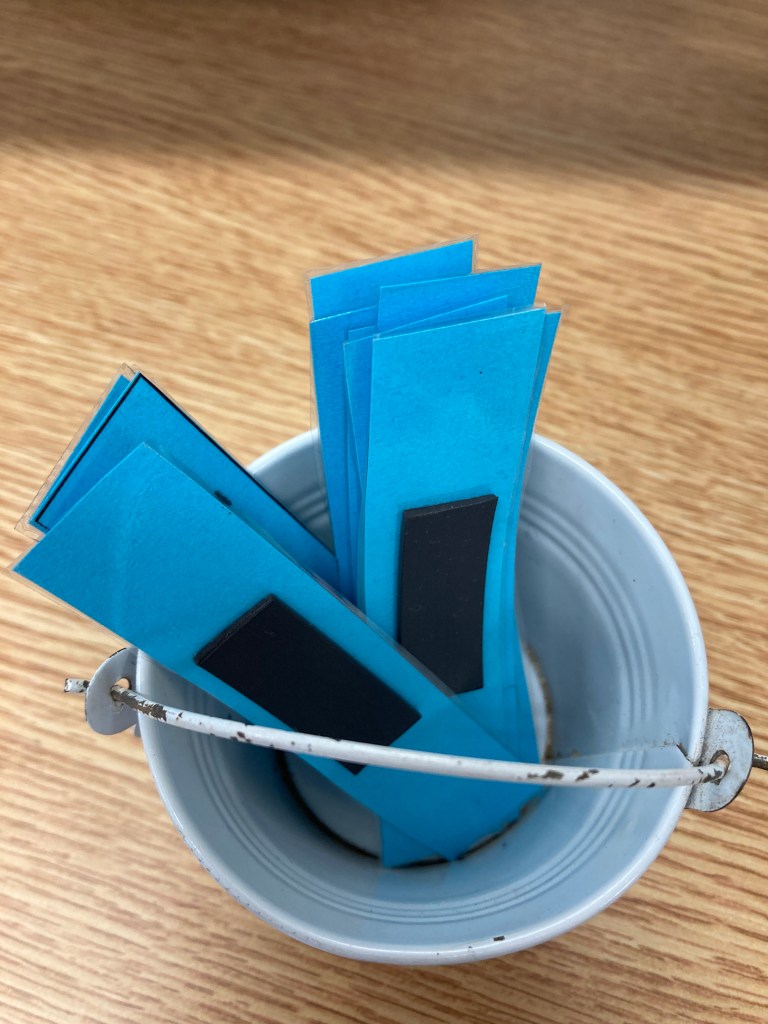
Want to hold class votes? They are a fun way to add to lessons, and a fair way to settle which activity will be done during recess. Prep names with magnetic strips on the back at the beginning of the year and keep them in a small cup. Pass them out whenever you want to have a quick vote that doesn’t have to be recounted five times because students keep changing their minds about which choice the like best.
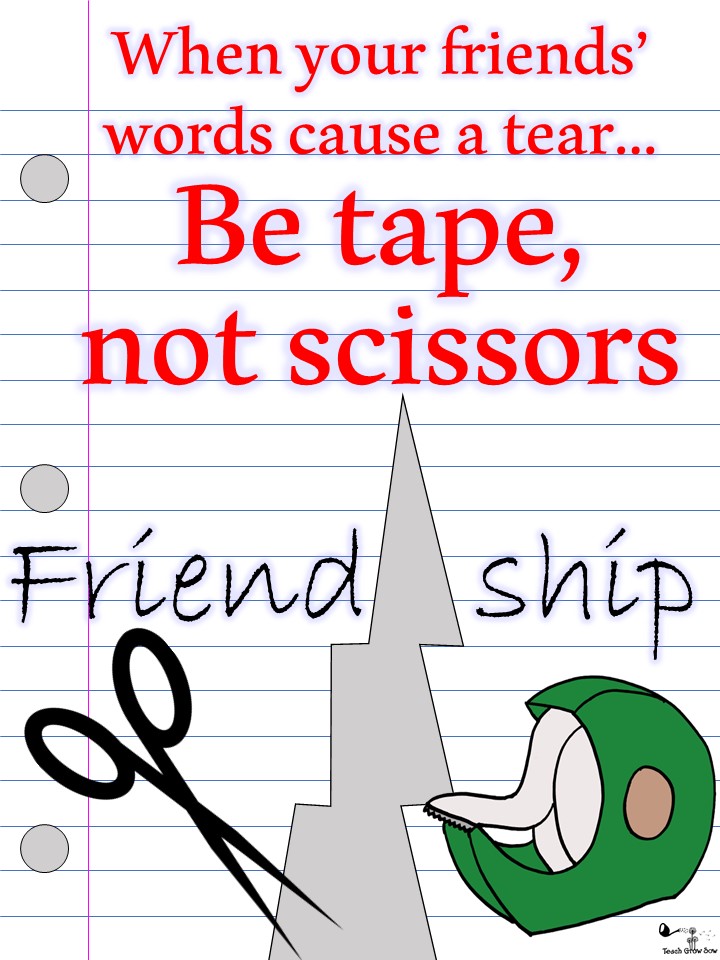
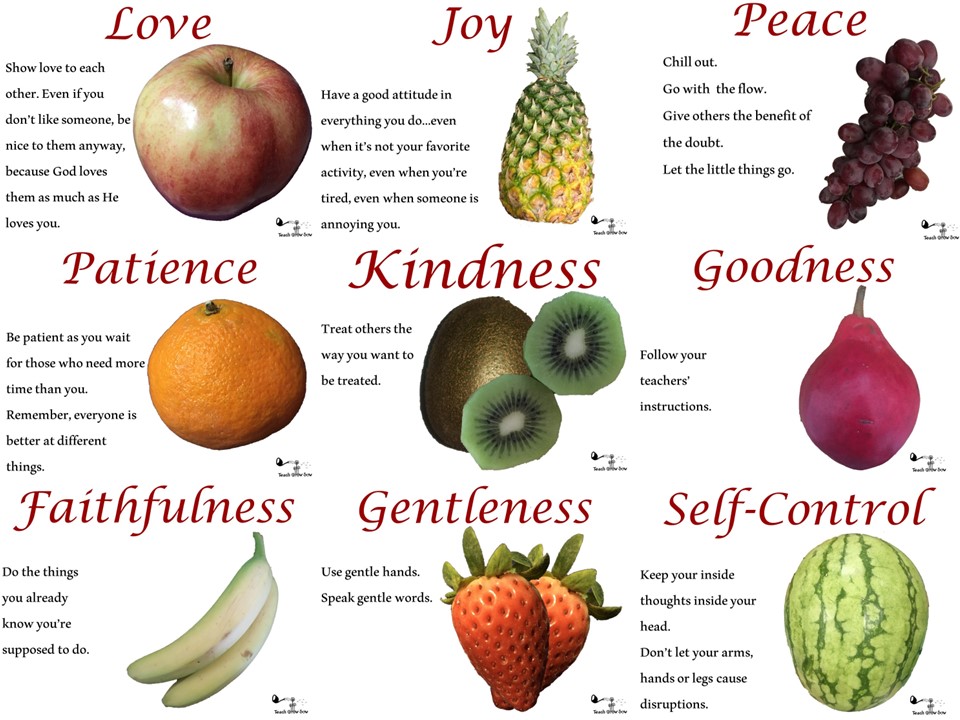
These Fruit of the Spirit group rules work great for a church children’s program or Christian School:
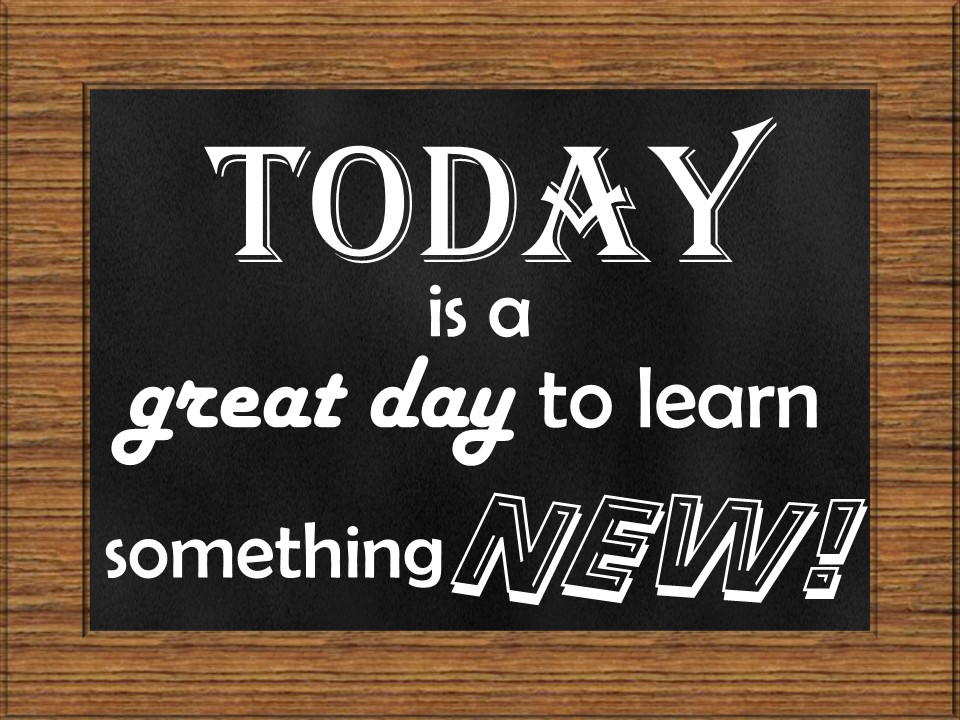
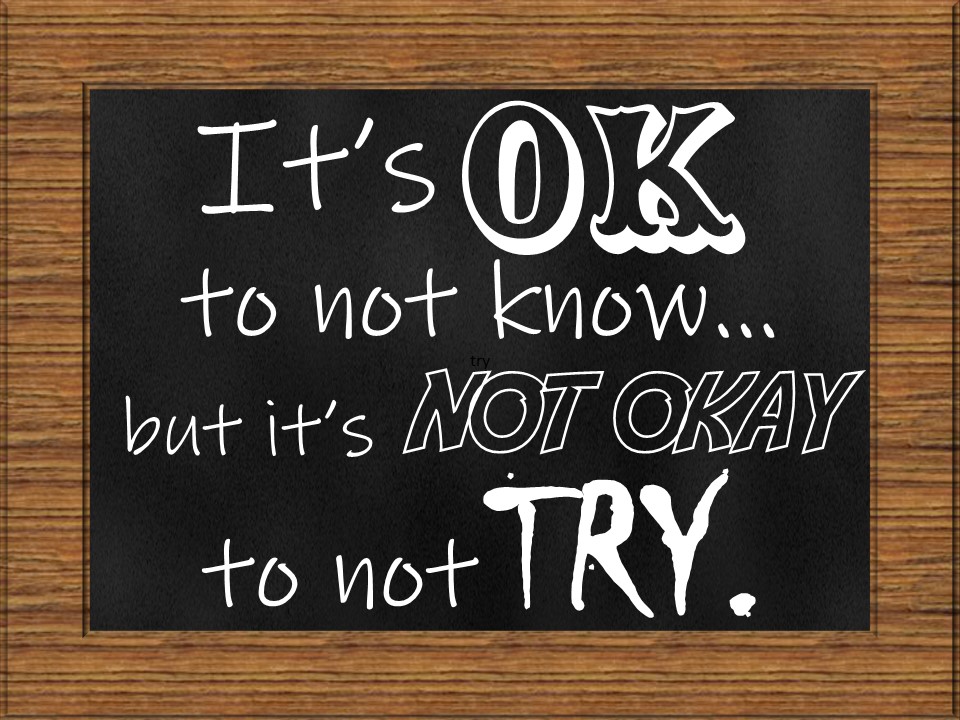
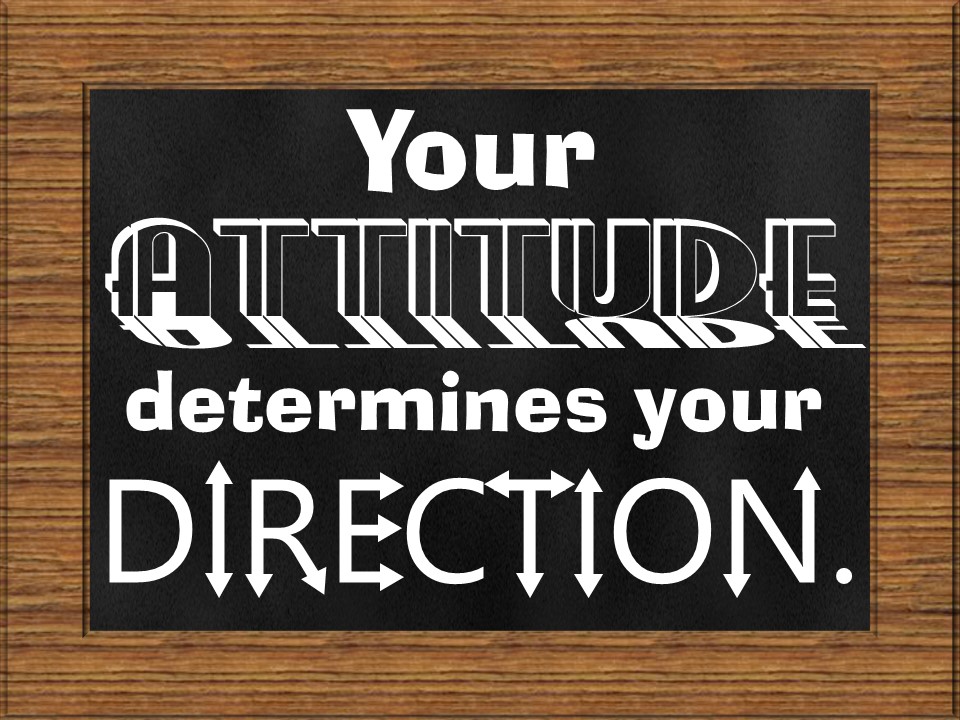
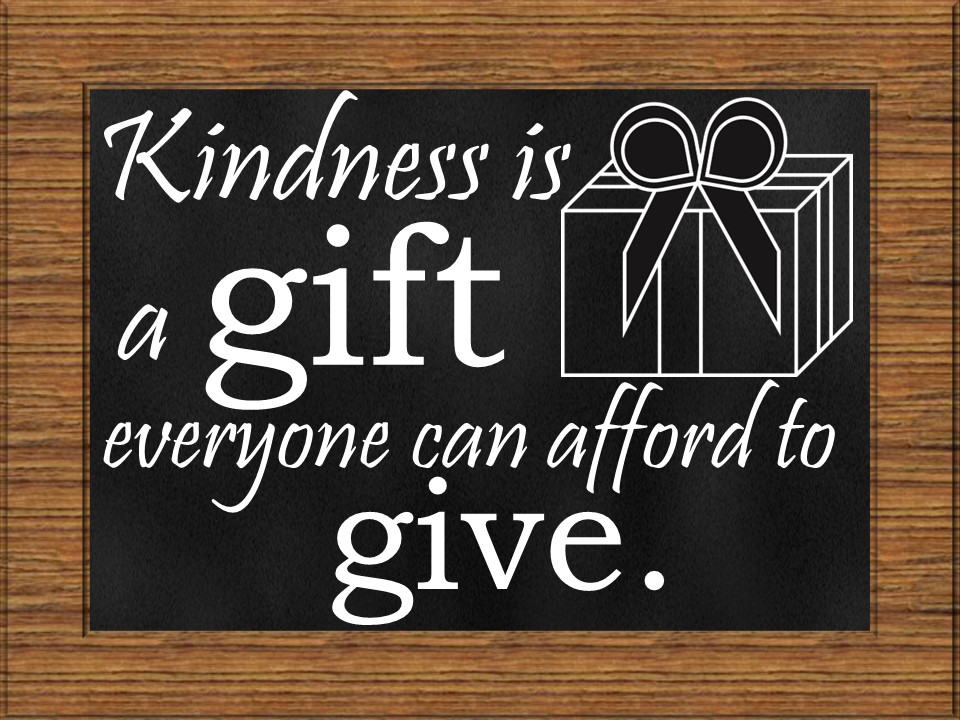
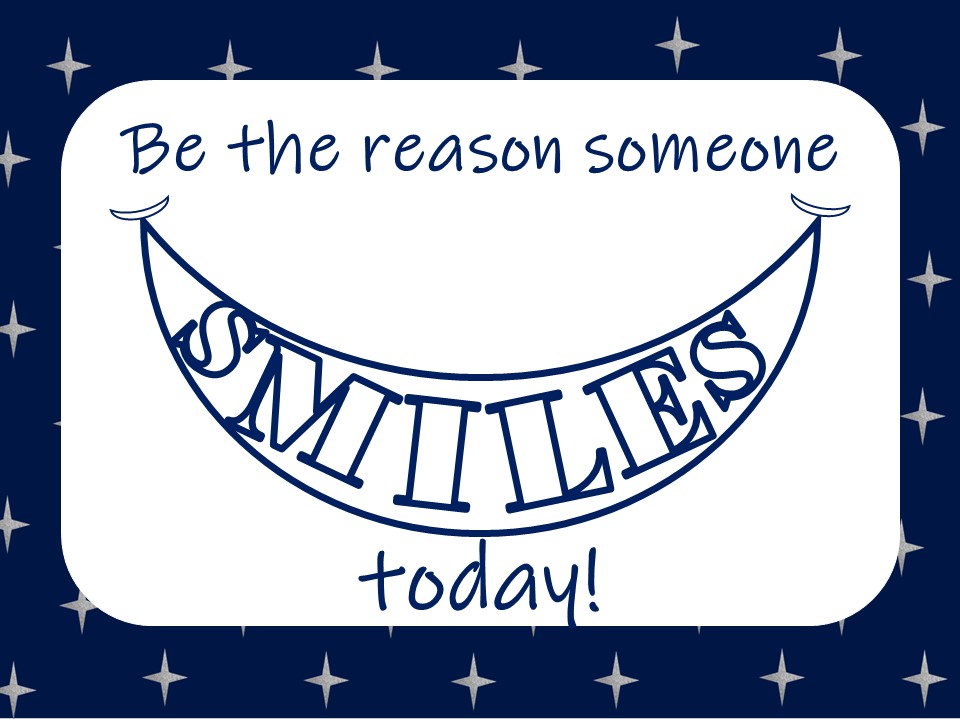
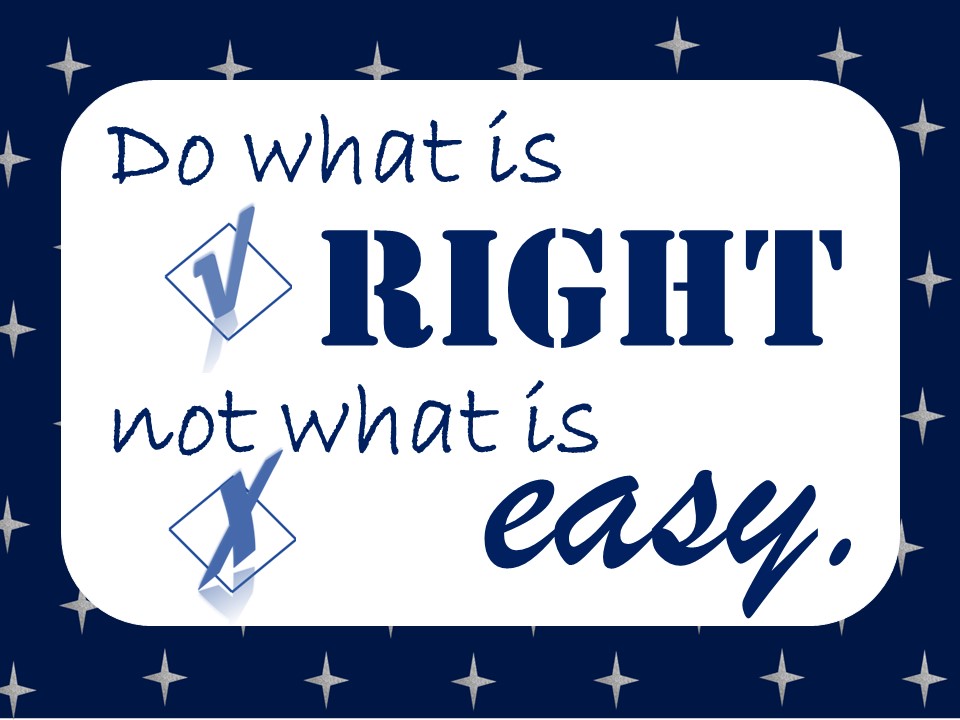
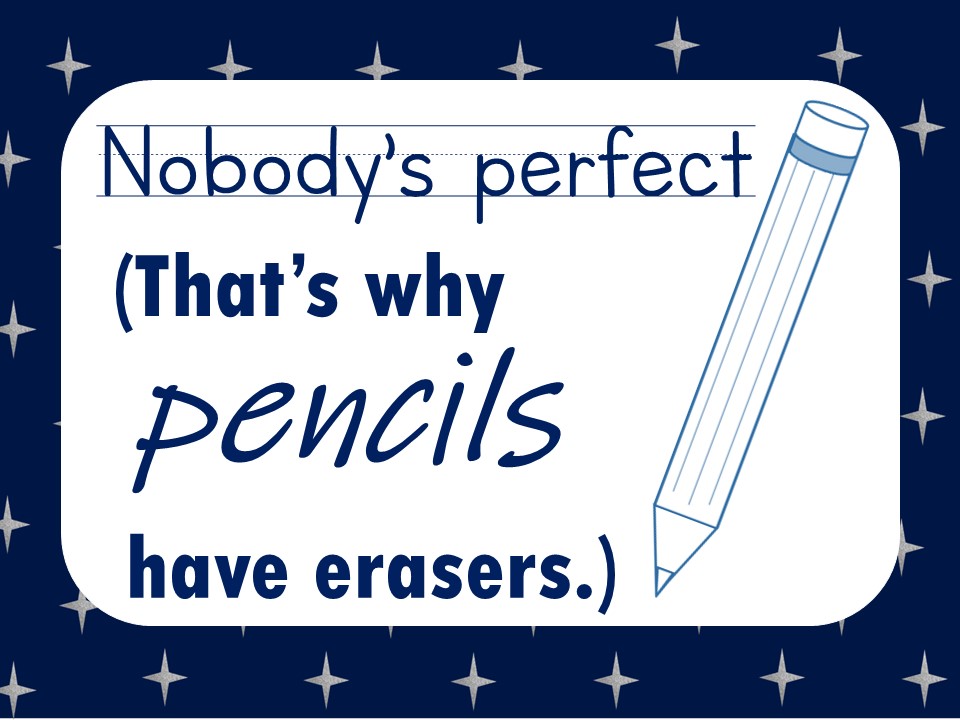
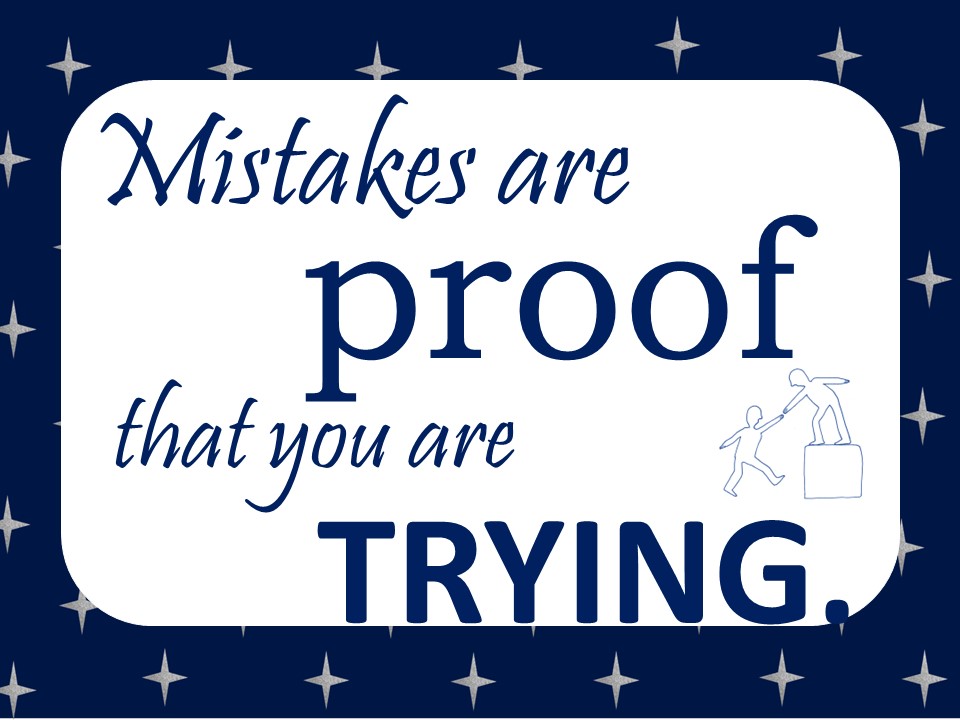
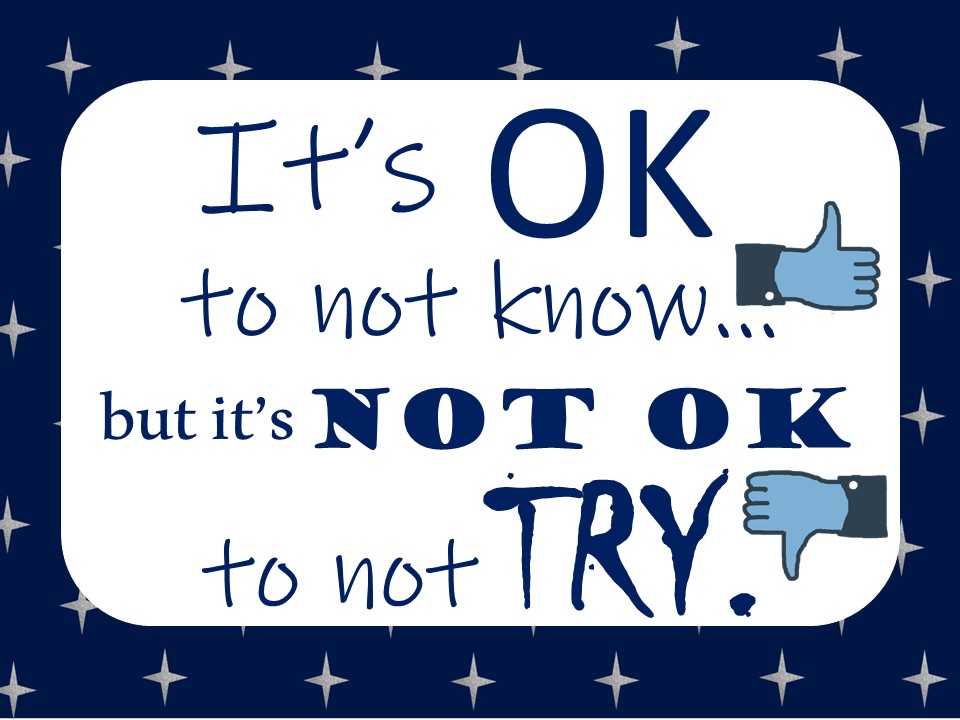
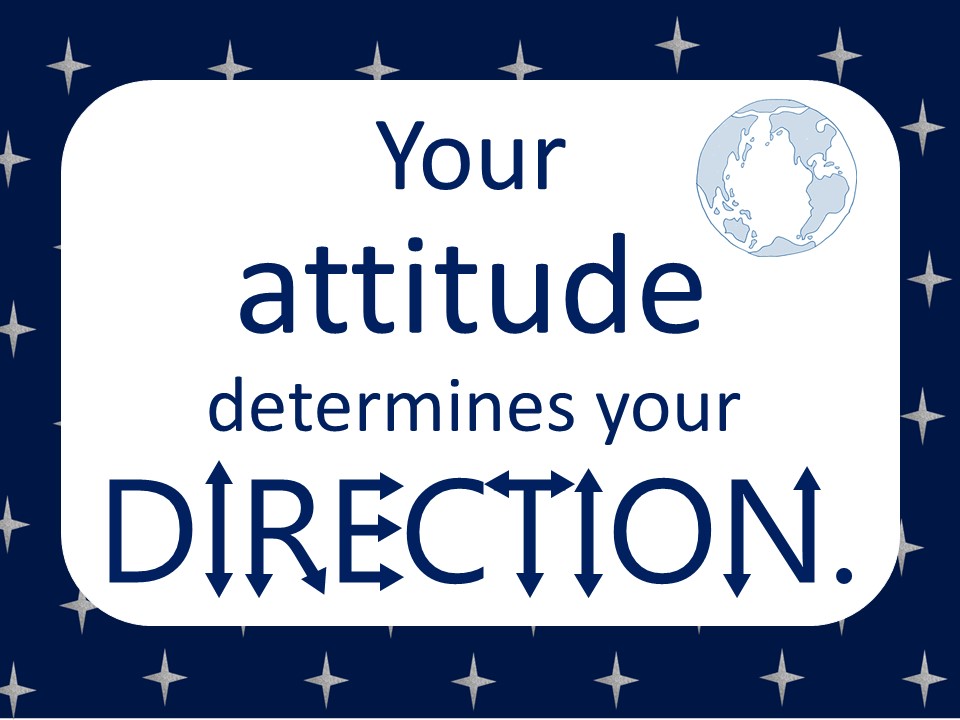
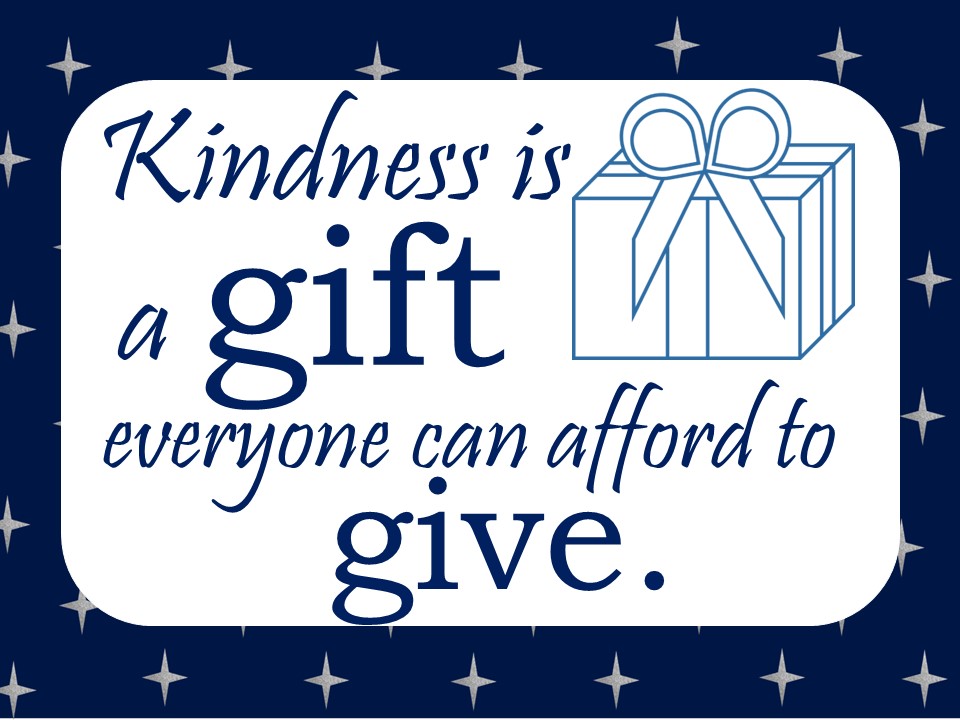
Here are some fun motivational posters to use in class:



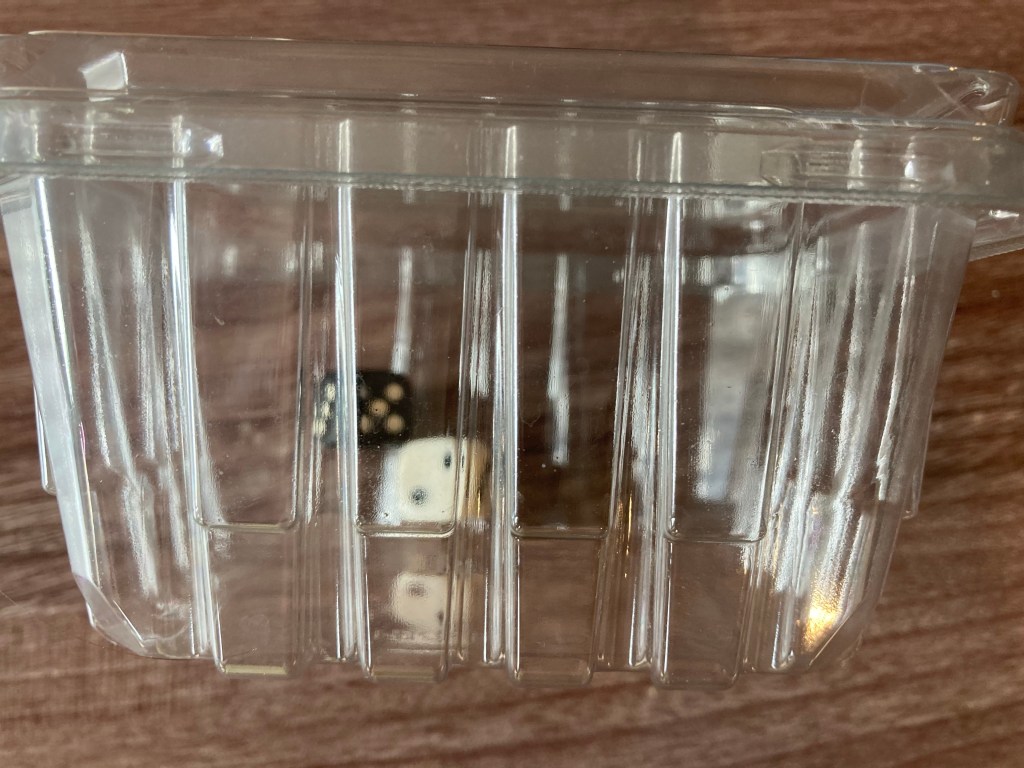
Dice can take any math activity and turn it into a game. They’re a teacher’s best friend…until they start getting hurled across the room and lost under shelves 😦
So make your life easier by keeping dice in a clear recyclable container, such as a blueberry container. Children shake it, place it down, and see where the dice have landed. The game is still fun and your dice are still present and accounted for.
5-Second Tattling Rule
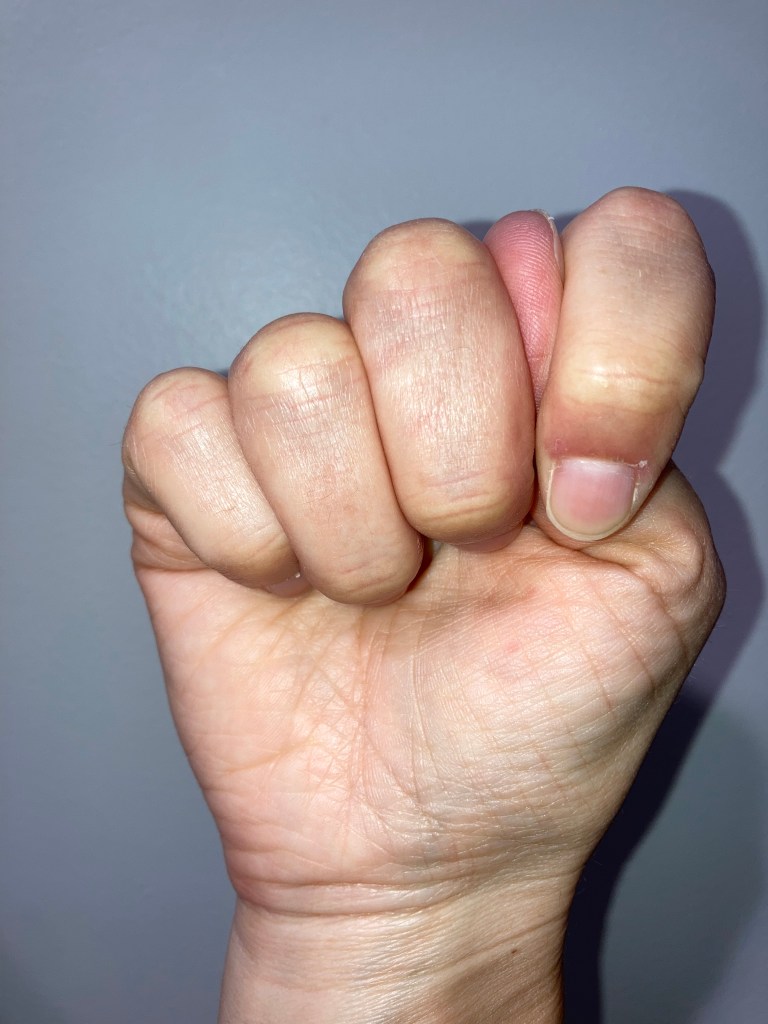
If when you pick up students from lunch, recess, or a specials class, the first thing they are doing is constantly tattling on each other for something that happened during that time (but didn’t feel the need to tell the lunch, recess or specials teacher about), try implementing a 5-second rule (like with food that falls to the floor). Explain that (aside from recurring “real bullying” situations), if someone did something and it wasn’t bad enough for them to tell the adult in charge within 5 seconds of it happening, it shouldn’t be brought up now. When students begin to tattle, simply respond by saying, “Five-second rule,” and hold up five fingers to let them know their time limit has passed.
Sign Language Requests
You just asked a question to the class about what you taught. Several hands go up. One wants to go to the bathroom, another wants to get water, and another wants to sharpen their pencil. Save yourself the frustration that causes by teaching students the ASL signs for common requests at the beginning of the year.
Are children always giving each other corrections just when you had gotten everyone’s attention? Teach them silent hand signals to use with each other as well, for situations like:
- You’re not in your line spot.
- You forgot something at your desk.
- Go get your book.
Silent Movement Activities
You know your students need to move. You give them movement breaks whenever you can, but it’s never enough. If you had all the time in the world, you would give them more, but you don’t. They shuffle and move in ways that distract their classmates from focusing. Help redirect some of this energy by teaching your students some silent movement activities that can help ease their wiggles during desk time, without drawing the attention of others:
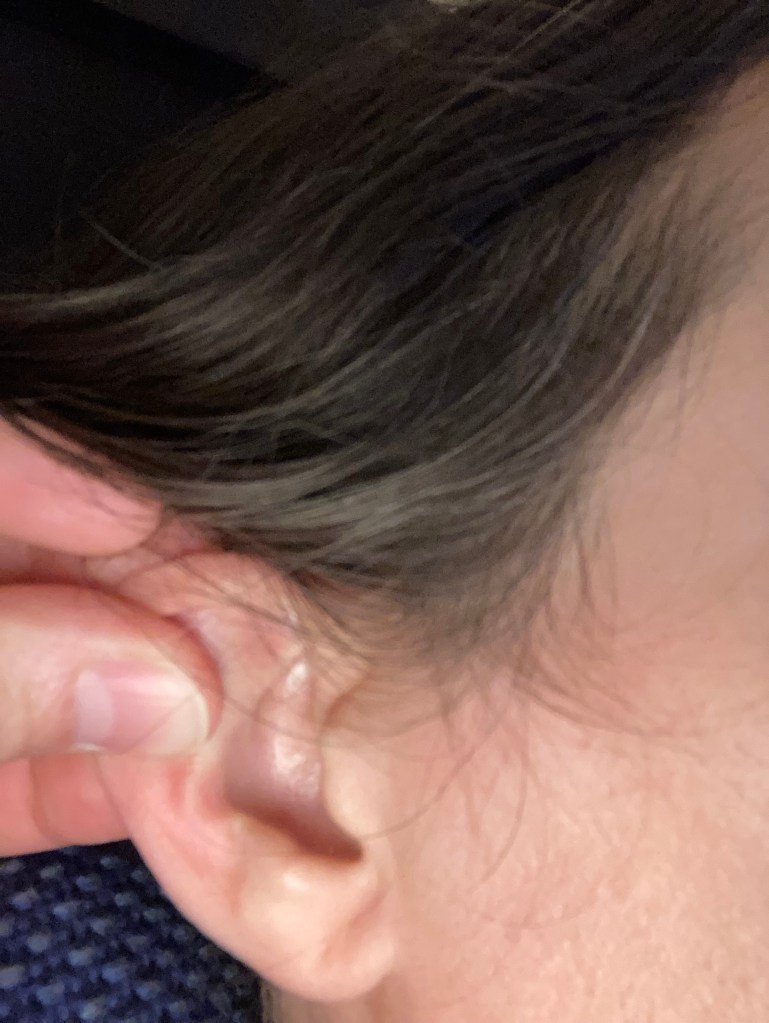
- Massage ears
- Press thumbnail against the tip of each finger, then each fingernail against the tip of the thumb
- Lift one leg at a time and roll ankles
- Straighten the back completely, making yourself as tall as possible, then relax
- Interlock fingers and straighten arms in front, to stretch shoulders
- Reach for the back of the chair, twisting waist to each side
- Place hands flat on desk, then raise fingers toward ceiling to stretch forearms
Sticky Note Warnings
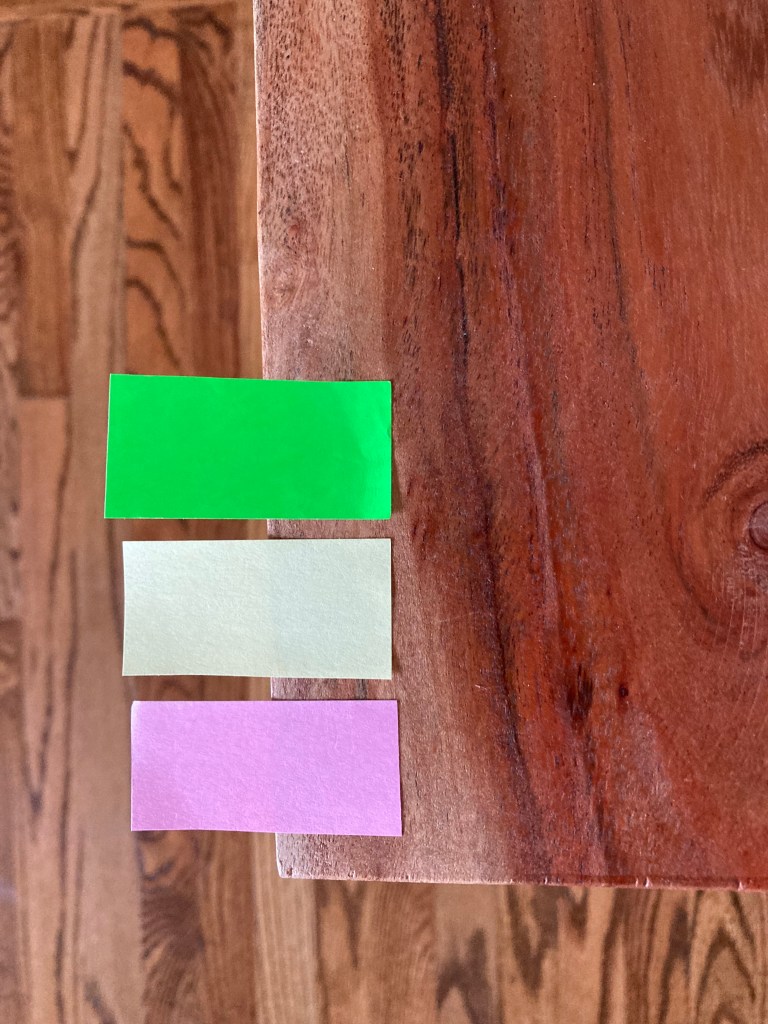
Want a visual way to let children know they are off task that isn’t posted at the front of the classroom? Trying using mini sticky notes. At the beginning of the year, create a system where different colors mean a level of warning or a particular behavior that needs to be changed (pink=calling out, yellow=touching other people’s things, etc.). When students are doing something they shouldn’t, have silently place a sticky note on their desk to let them know you saw what they did and will give them the consequence prescribed by your class behavior plan (they can remove it once they’ve seen it). Keep track of warnings on your own sheet as well. This way, students have the option to self-correct without having their name said to the whole class.
Funnel Answers
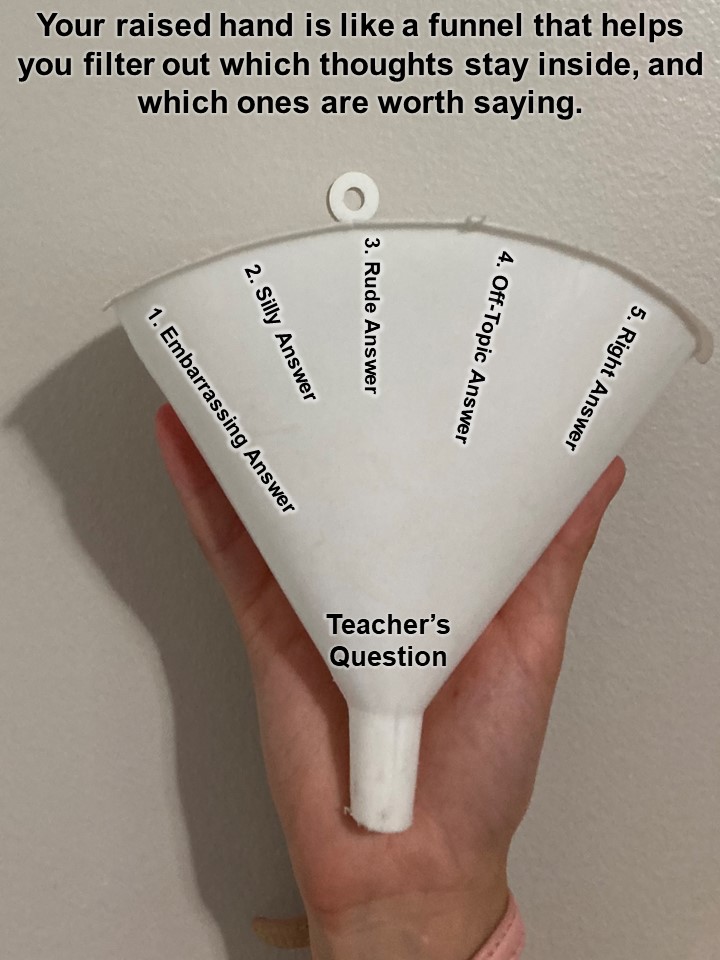
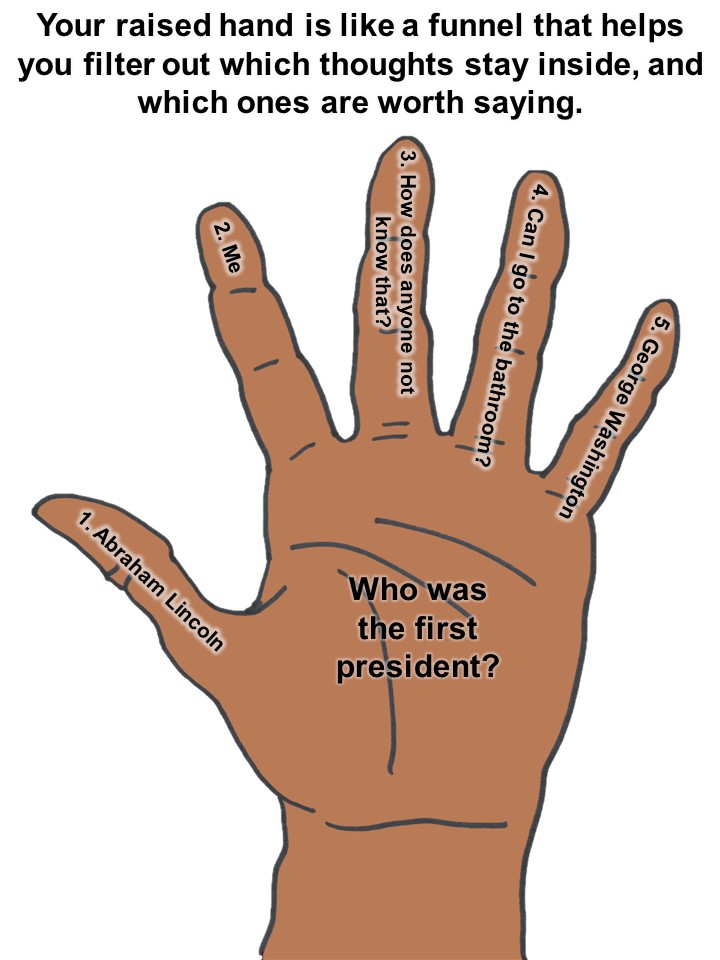
To help children understand why raising hands is better than calling out an answer, use these posters.
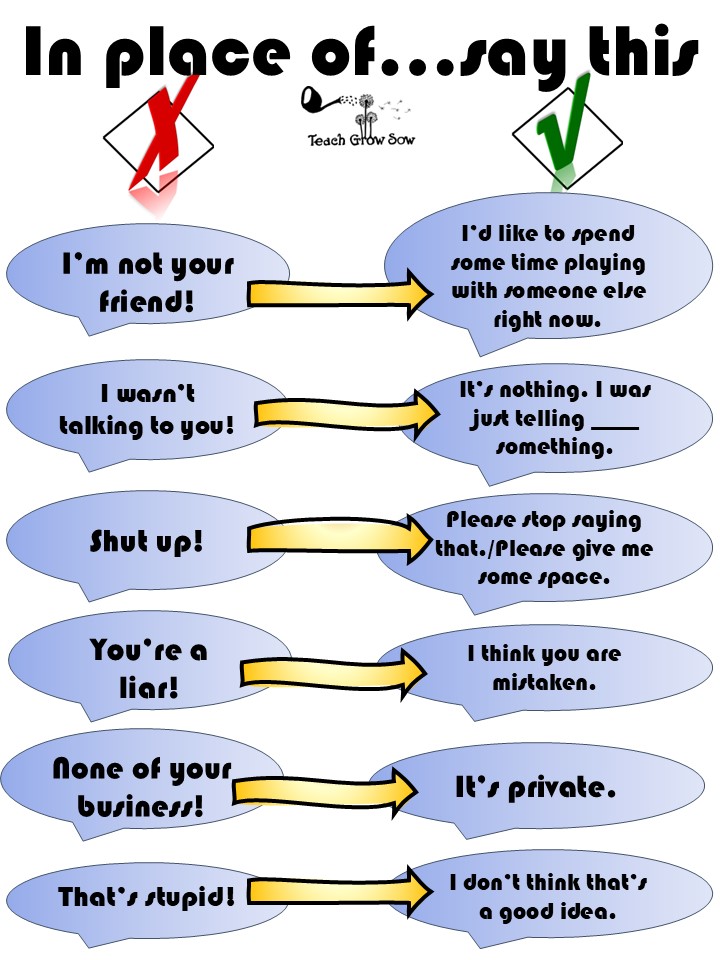
Say This, Not That
Help students with interpersonal skills by teaching them these replacement phrases that will avoid arguments.
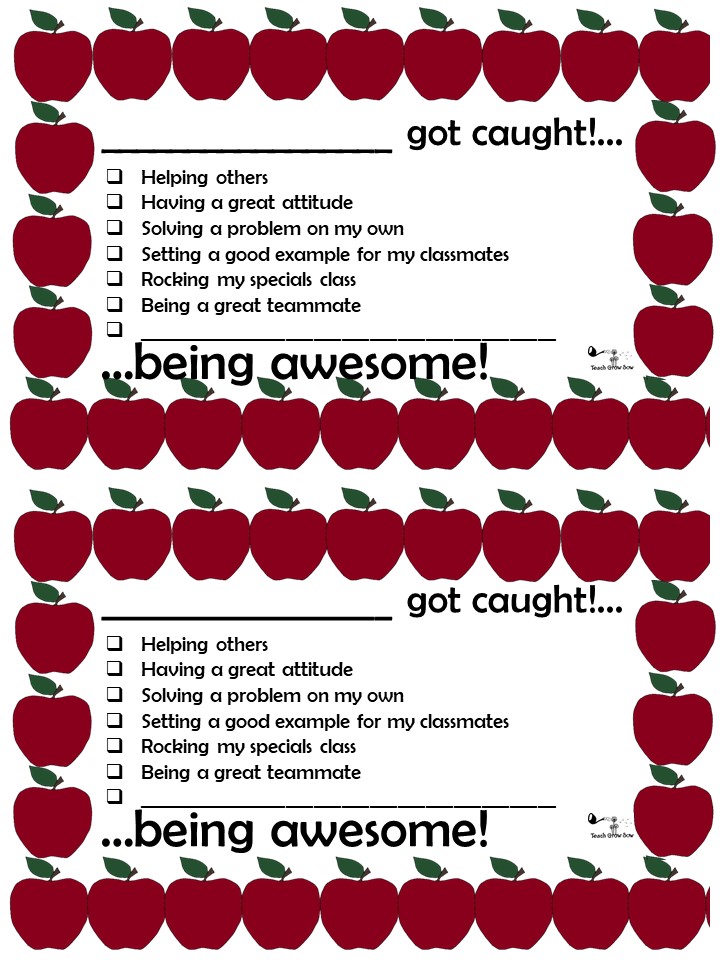
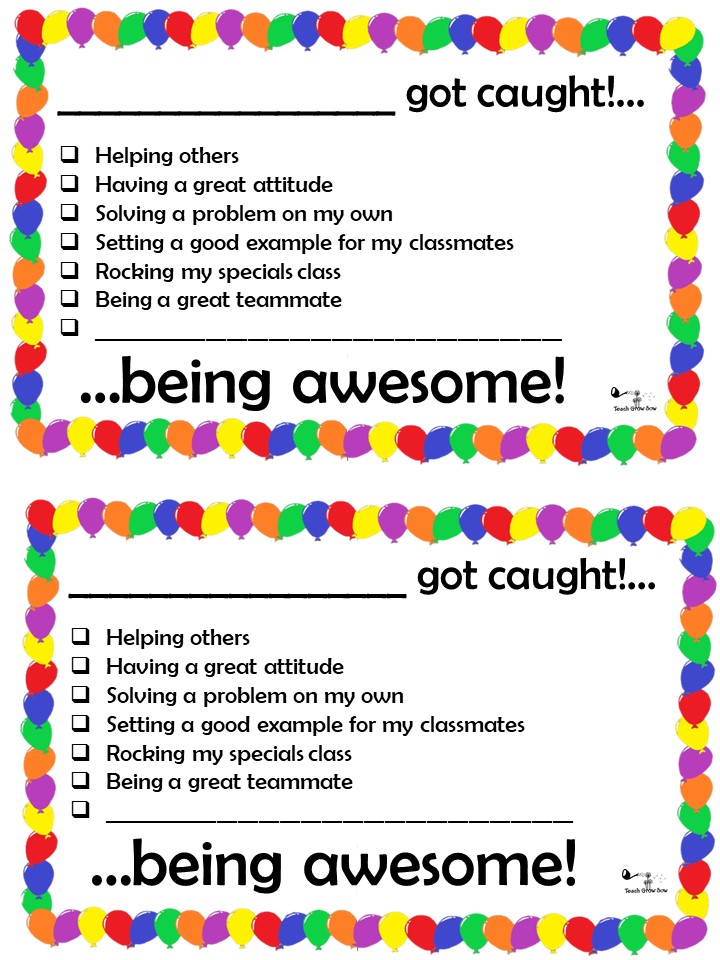
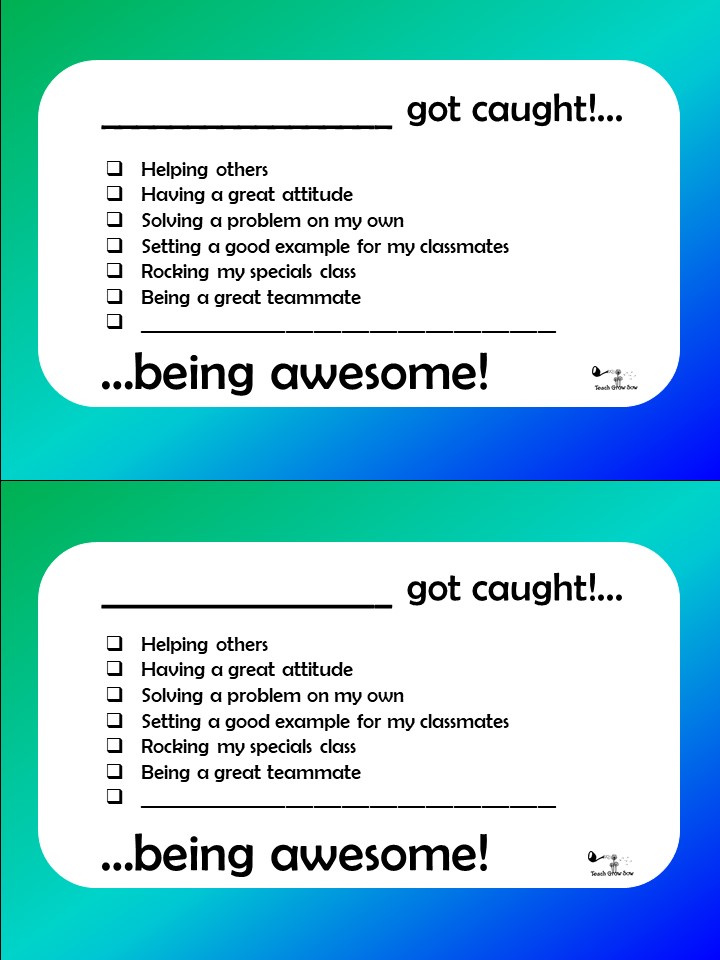
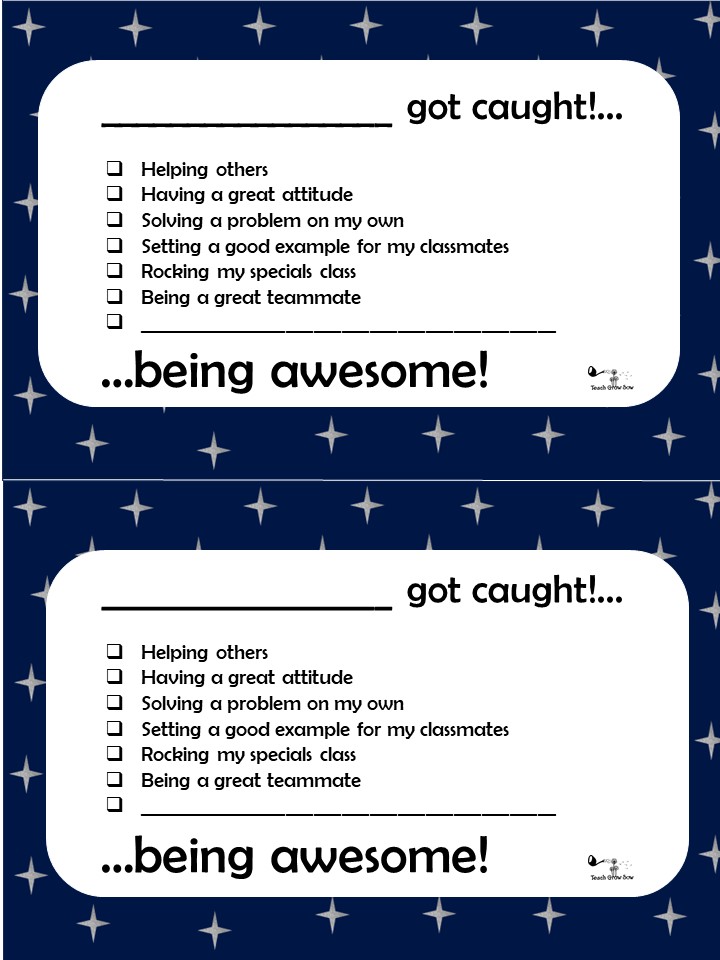
Good Behavior Reports
Highlight students’ good behavior with these cards that are quick to fill out and slip into take-home folders.

Smartie Pants
Print out one of these cards for each student at the beginning of the year and keep in a stack in your desk. Give them to children to privately (or publicly) congratulate them when they receive their first 100% grade of the year.


Tired of pencils rolling off of desks all the time? Do you have a dog or know someone who does? The rolls that compostable doggie bags come on are the perfect size for holding pencils. Just tape them onto the side of students’ desks (checking for handedness), or on the very front on their nametag. Train students at the beginning of the year to keep their pencils here whenever they’re not being used to avoid playing with them.
Want to get a monthly digest of all that’s new at Teach Grow Sow?
Click here to sign up for notifications on Facebook, Instagram, and YouTube.
Have questions or feedback? Email:
teachgrowsow@gmail.com
 Teach Grow Sow