Click here to sign up for notifications on Facebook, Instagram, and YouTube.
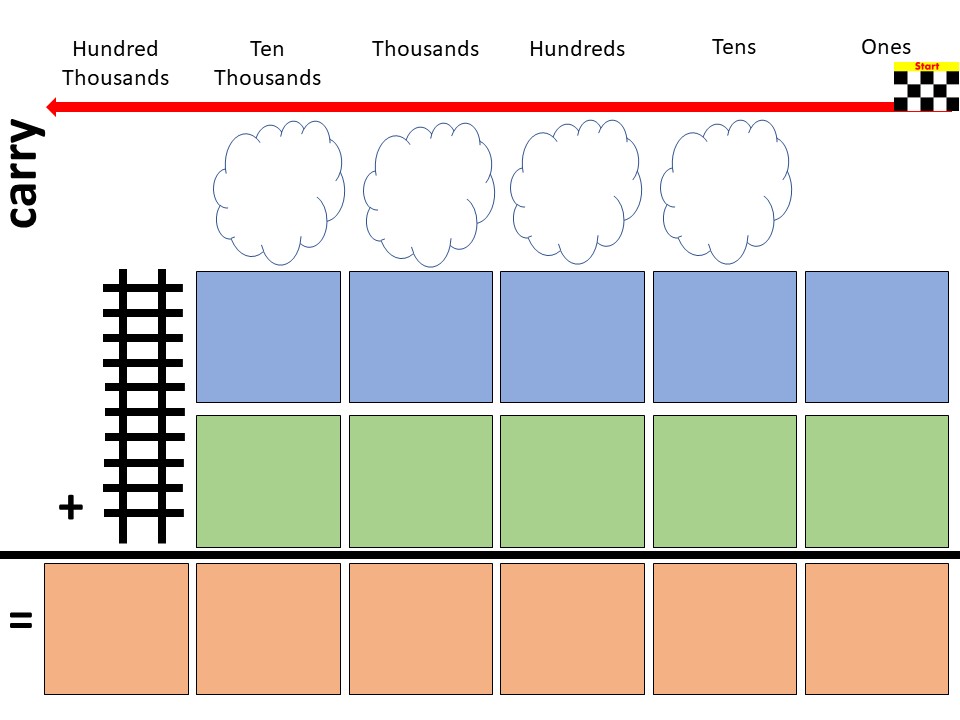
Carrying Template
Print this template and place in a plastic sleeve for children to write problems onto with a dry-erase marker to help guide them with carrying numbers.
Addition Box
Click on this link for instructions to make a box for learning addition in a very hands-on way.

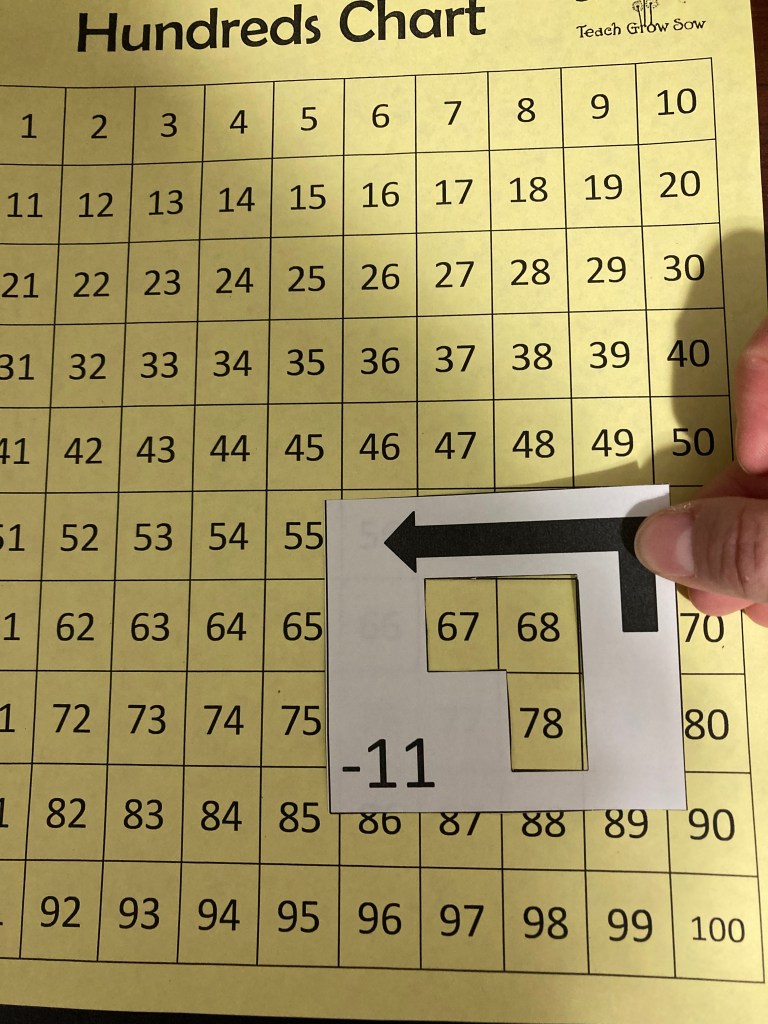
Addition/Subtraction Arrows
Use these arrow boxes with the hundreds chart to help children remember how to add and subtract 8, 9, 11 & 12.

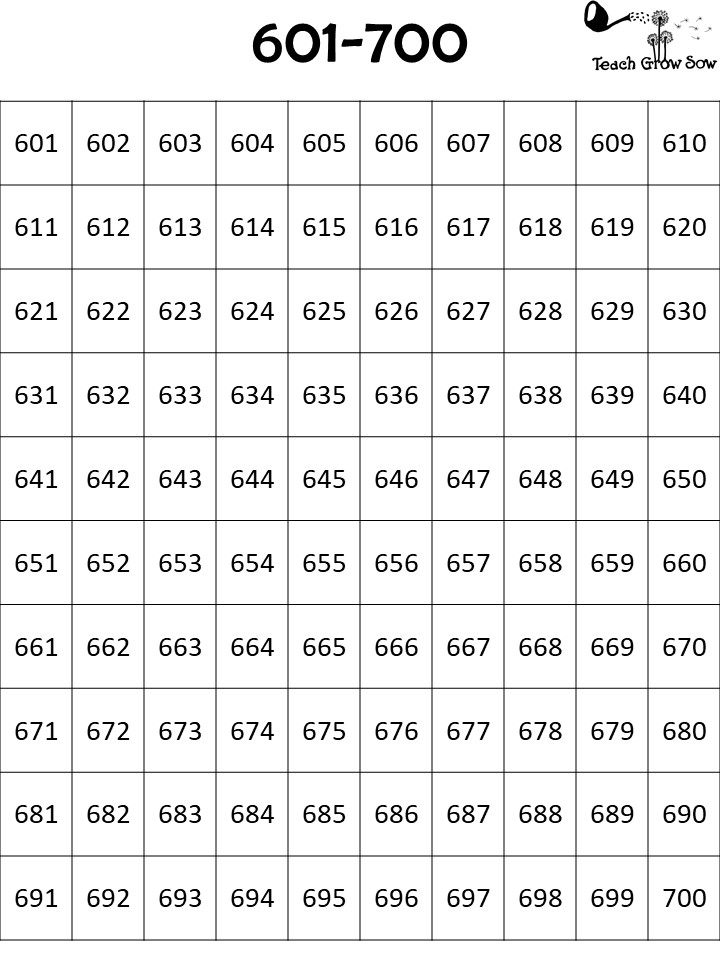
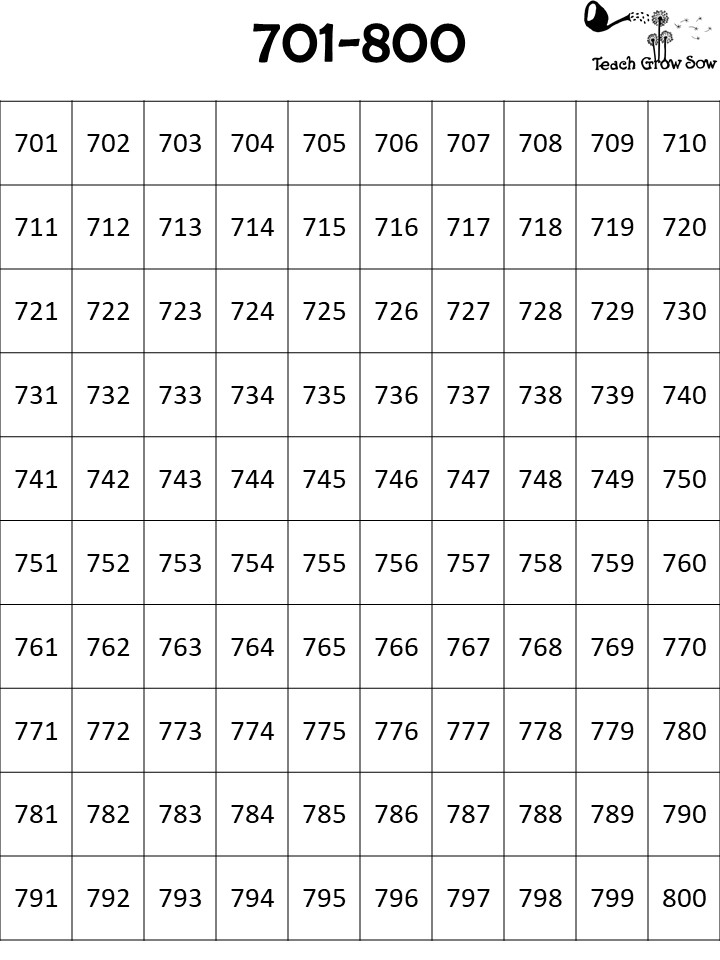
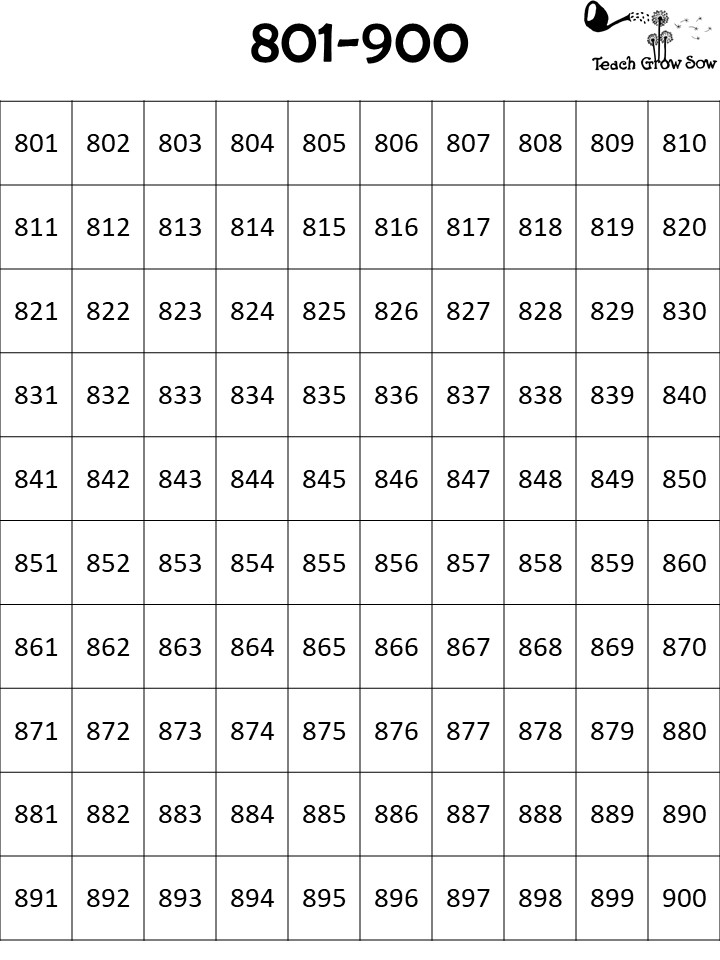
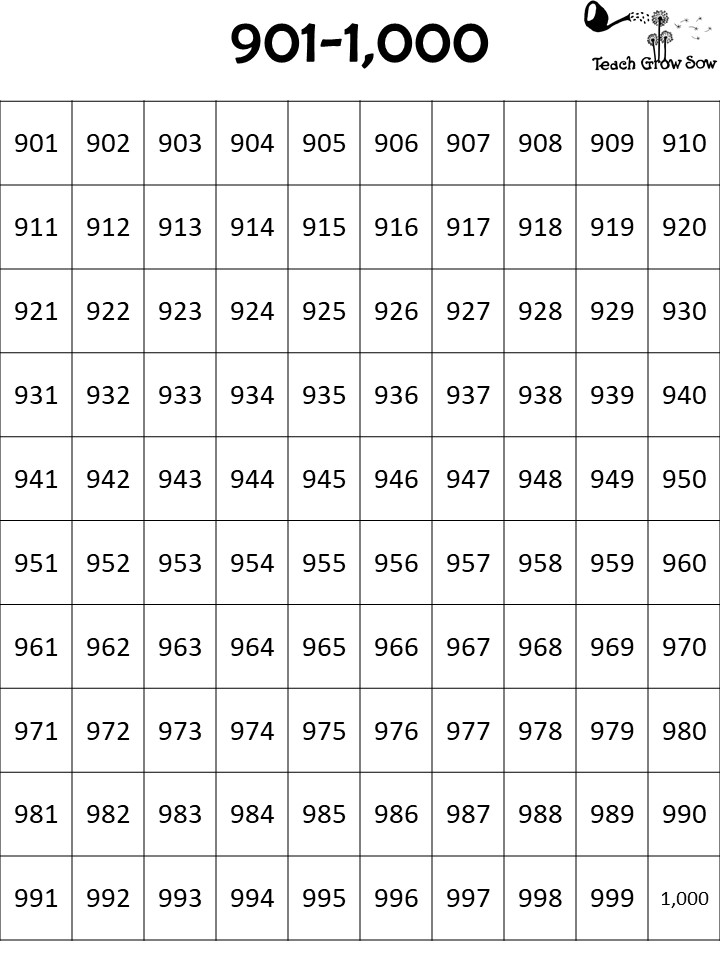
Hundreds Charts Up to 1,000
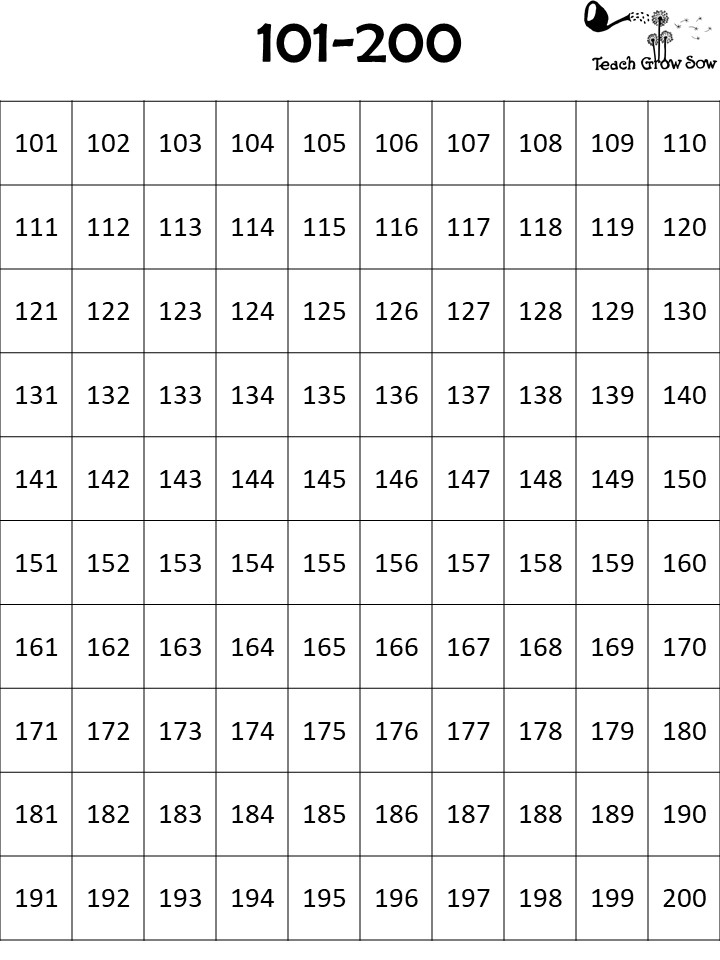
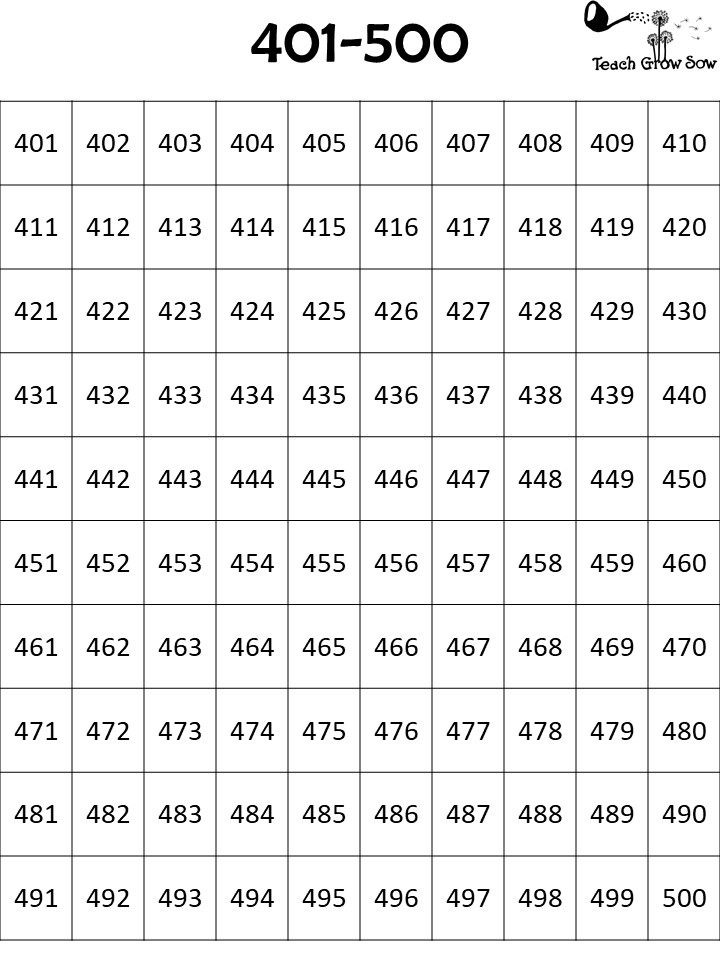
Use these hundreds charts to help children visualize relationships between numbers as they practice adding and subtracting numbers.



Additionville
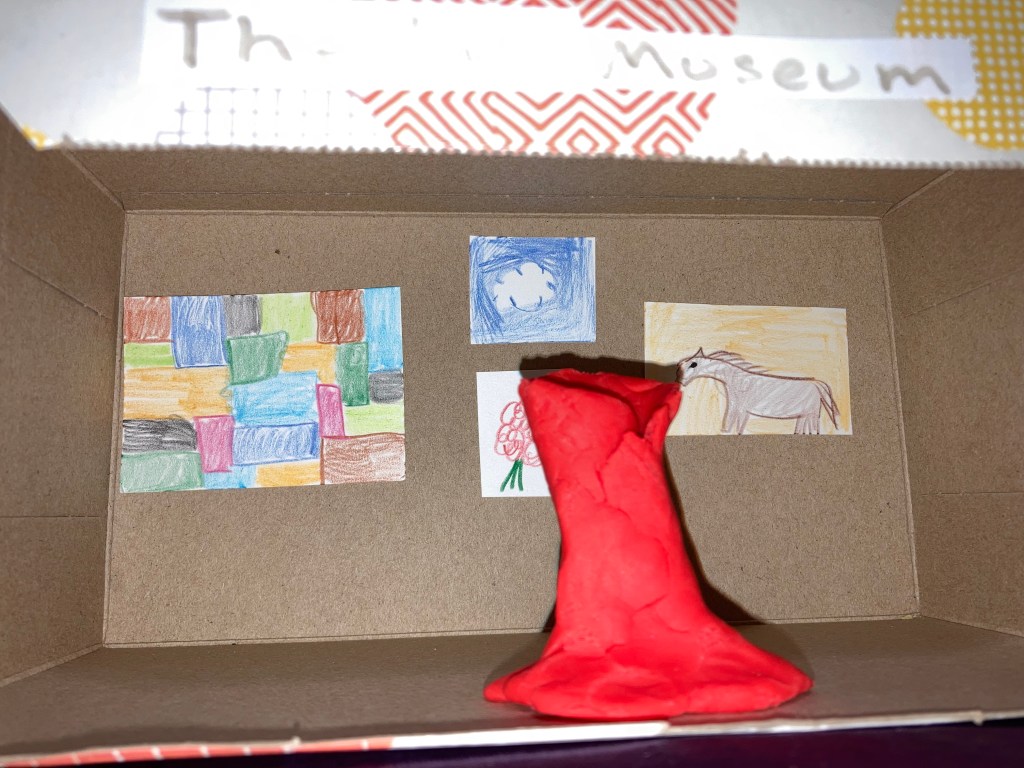
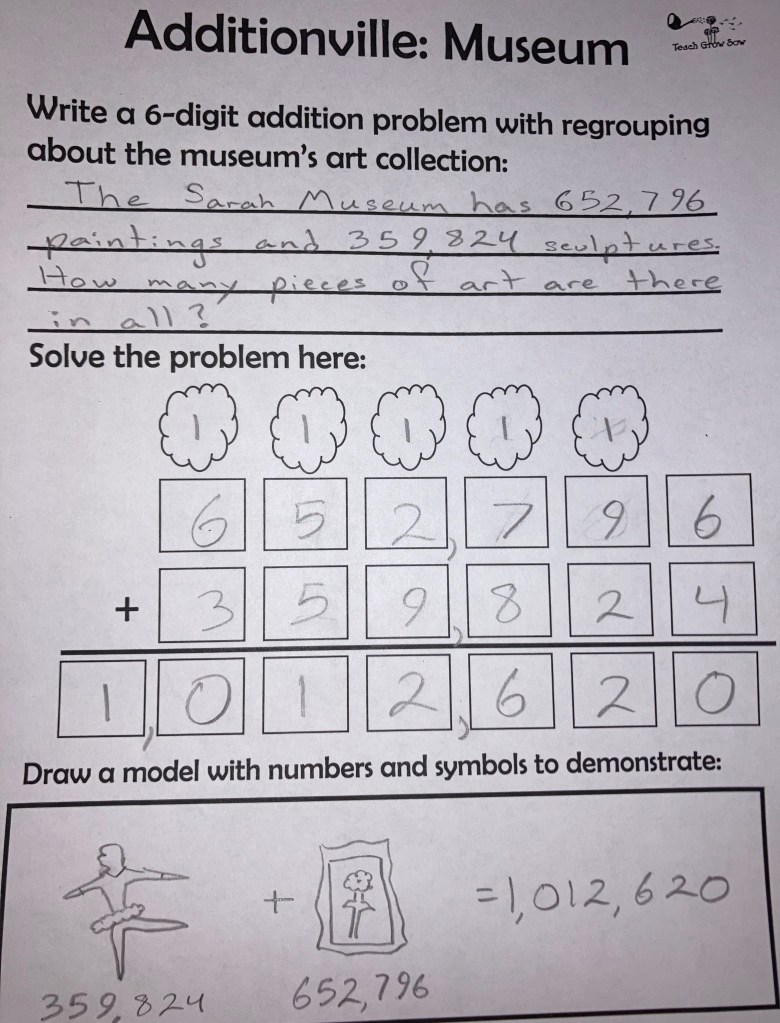
Use this project to wrap up a unit on addition with regrouping. You can take time to discuss city planning, read a book about different roles in a city, or assign each page to a student who already has high interest in a particular topic listed, (and thus much of the background knowledge needed to write a math question related to the topic). You can also use this to follow a Social Studies lesson on city planning, with students who are already familiar with regrouping in addition.
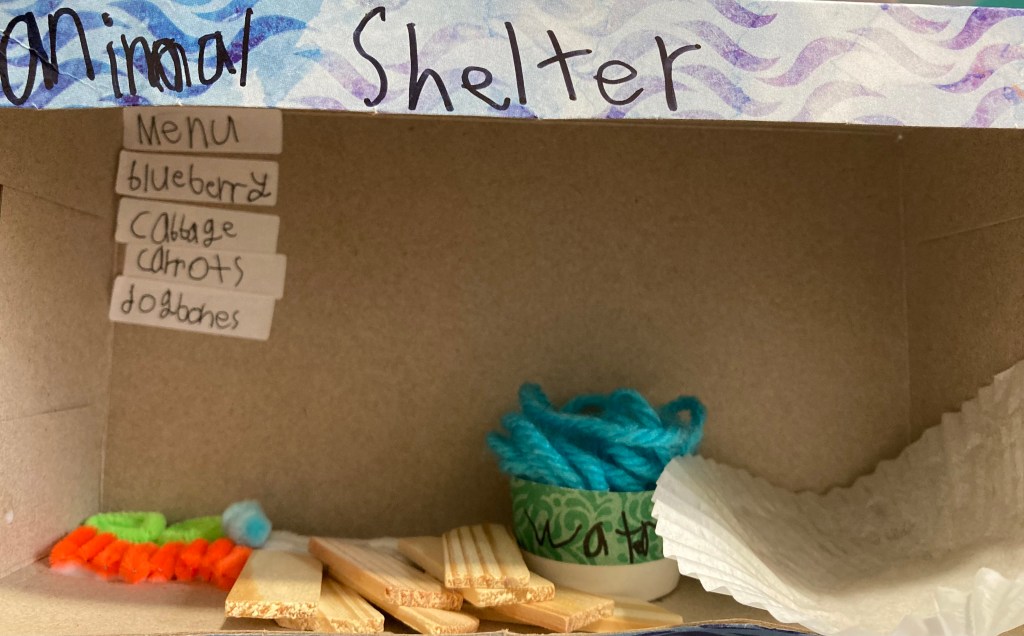
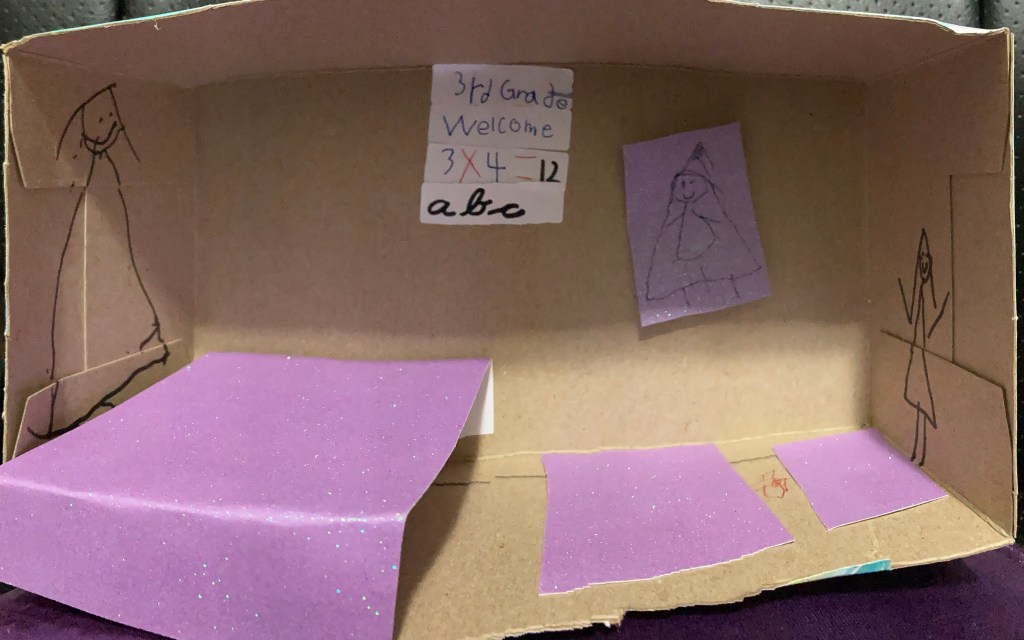
To add a STEAM element, have children use empty tissue boxes and recyclable/scrap materials to design a diorama. When put all together, the dioramas will create a miniature town: Additionville.
Make Ten Go Fish
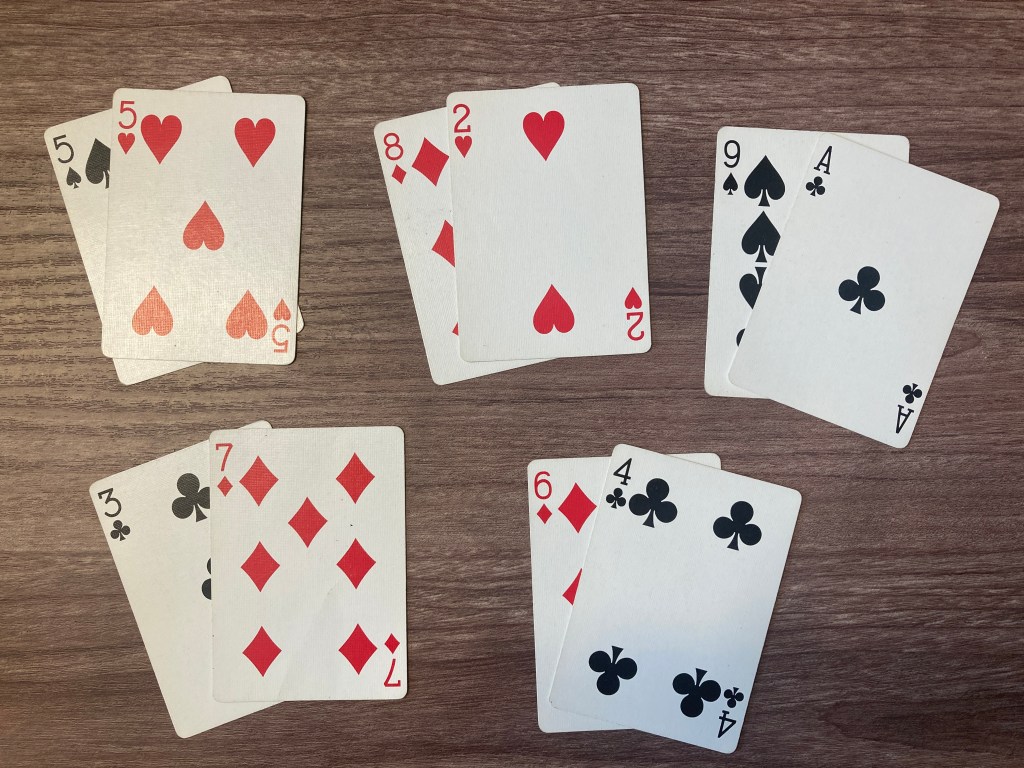
Use at least one pack of playing cards for each two players in the game.
Each player starts with eight cards in their hand and may have up to eight cards at any given time. All other cards are placed in a pile
When a player has two cards that equal ten, they put them down together.
When a player needs a card to make ten, they may ask another player, “Do you have any ____?” If the answer is yes, the cards must be handed over. If the answer is no, they reply, “Go fish!” The first player then takes a card off the top of the pile.
Decide ahead of time if you want Aces to count as one.
The first person to get rid of all of their cards wins.
Addition Fact Family Go Fish
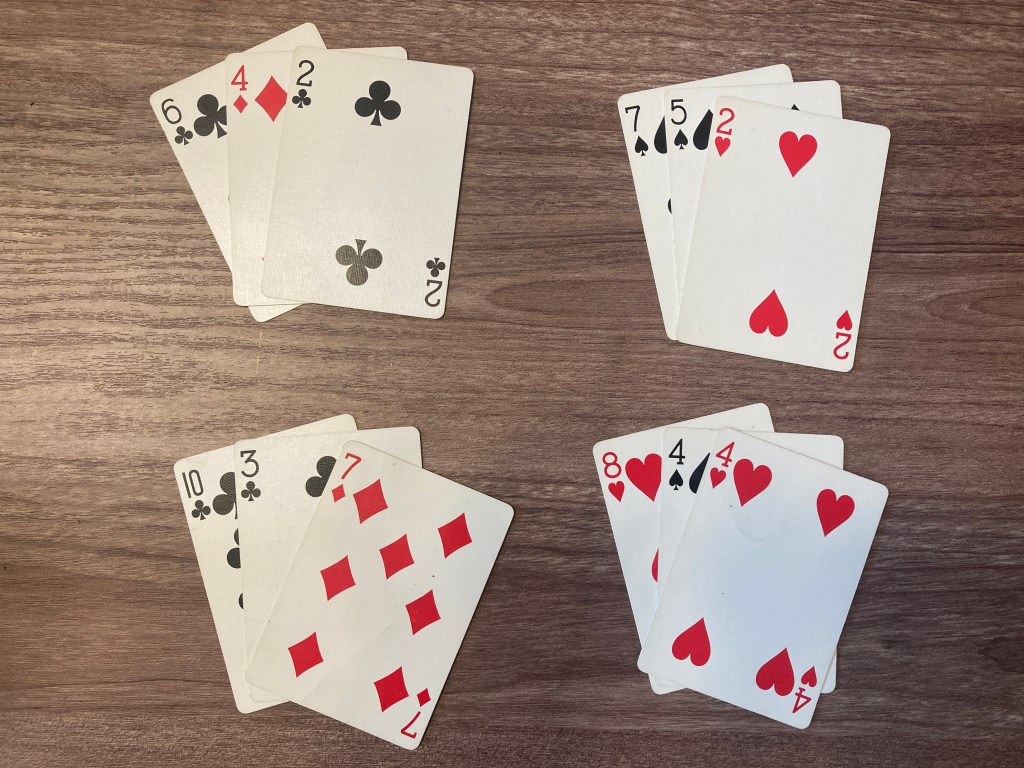
Use at least one pack of playing cards for each two players in the game.
Each player starts with nine cards in their hand and may have up to nine cards at any given time. All other cards are placed in a pile
When a player has three cards that show an addition fact family, they put them down together.
When a player needs a card to make a fact family, they may ask another player, “Do you have any ____?” If the answer is yes, the cards must be handed over. If the answer is no, they reply, “Go fish!” The first player then takes a card off the top of the pile.
Decide ahead of time if you want Aces to count as one.
The first person to get rid of all of their cards wins.

Click here to sign up for notifications on Facebook, Instagram, and YouTube.
Have questions or feedback? Email:
teachgrowsow@gmail.com

