Click here to sign up for notifications on Facebook, Instagram, and YouTube.
Figurative Language


Here is a one-page version.
Inferencing
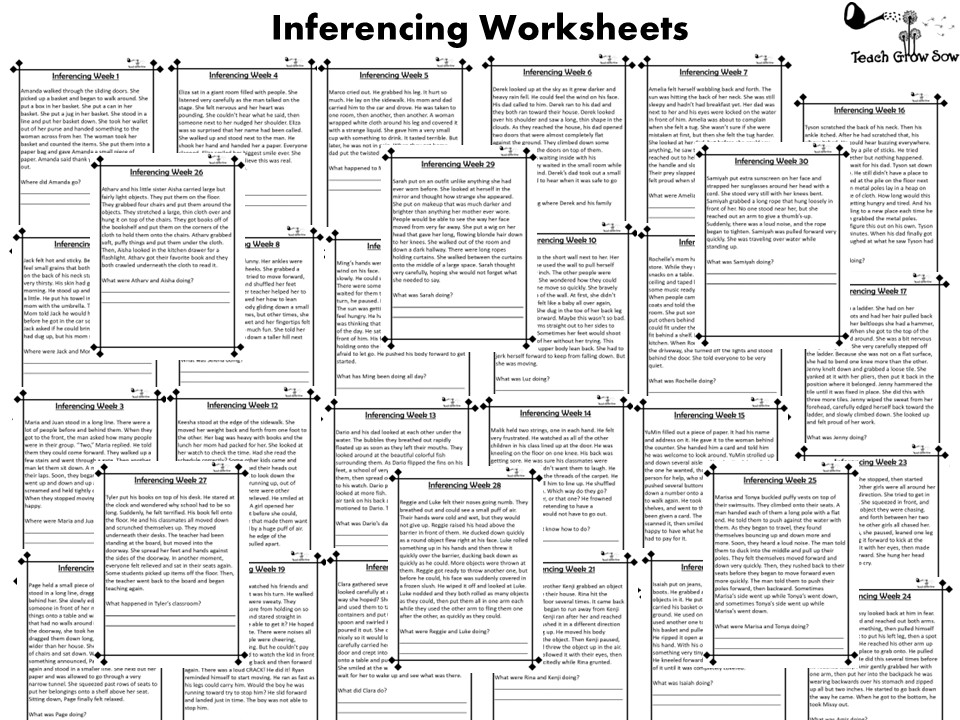
Use these weekly activities to help your students practice their inferencing skills.
Use this poster in your classroom to help students understand main idea and details.

Book Reports
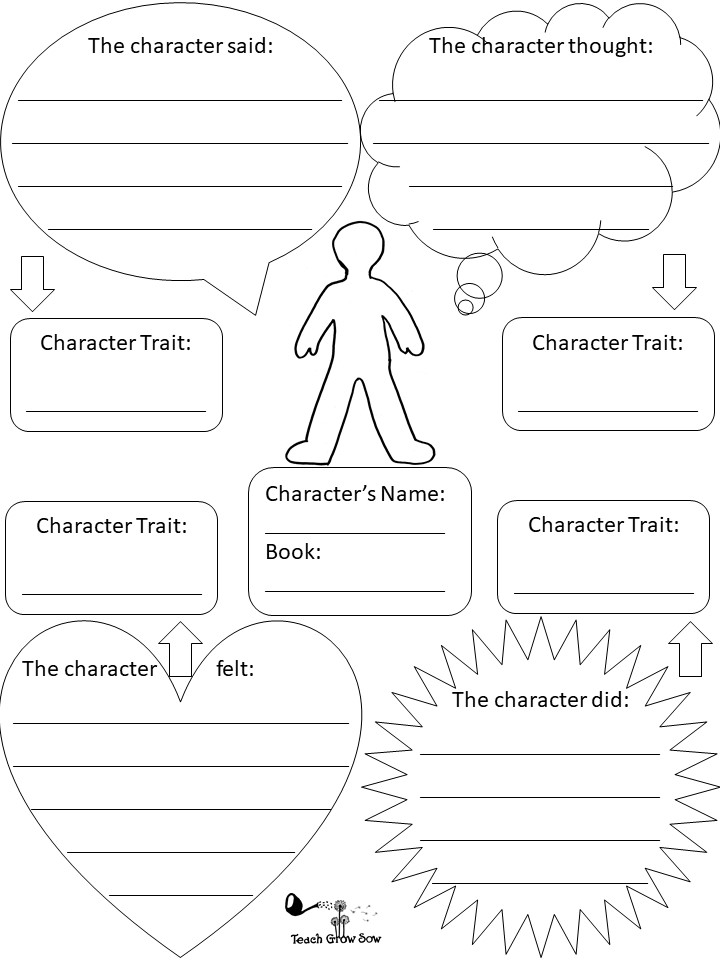
Choose one of these four book reports, each with a different level of complexity to fit your grade level.
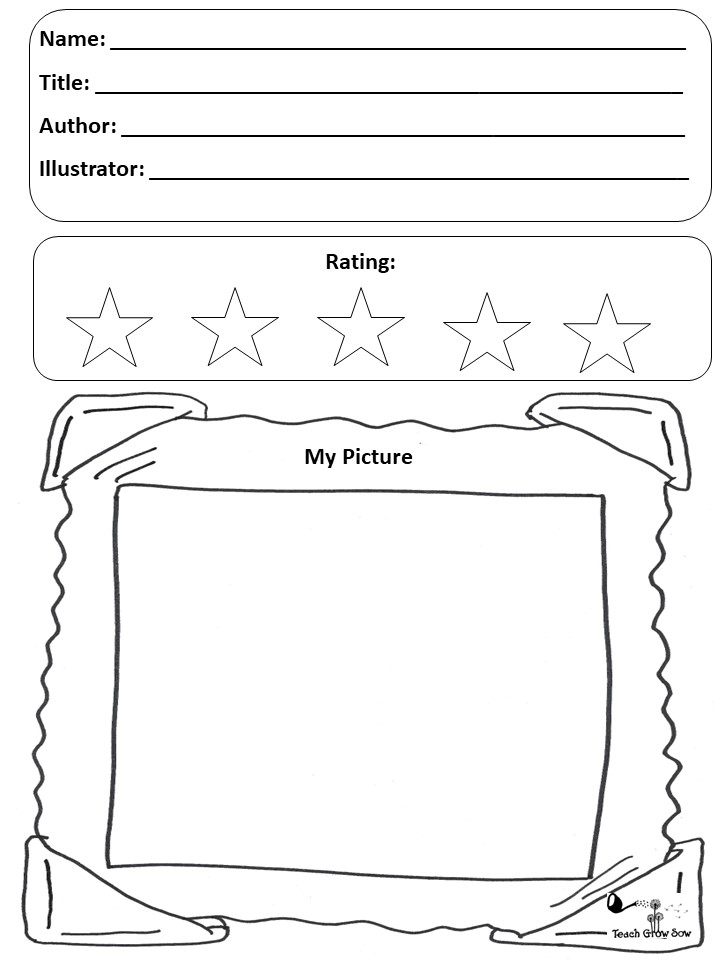
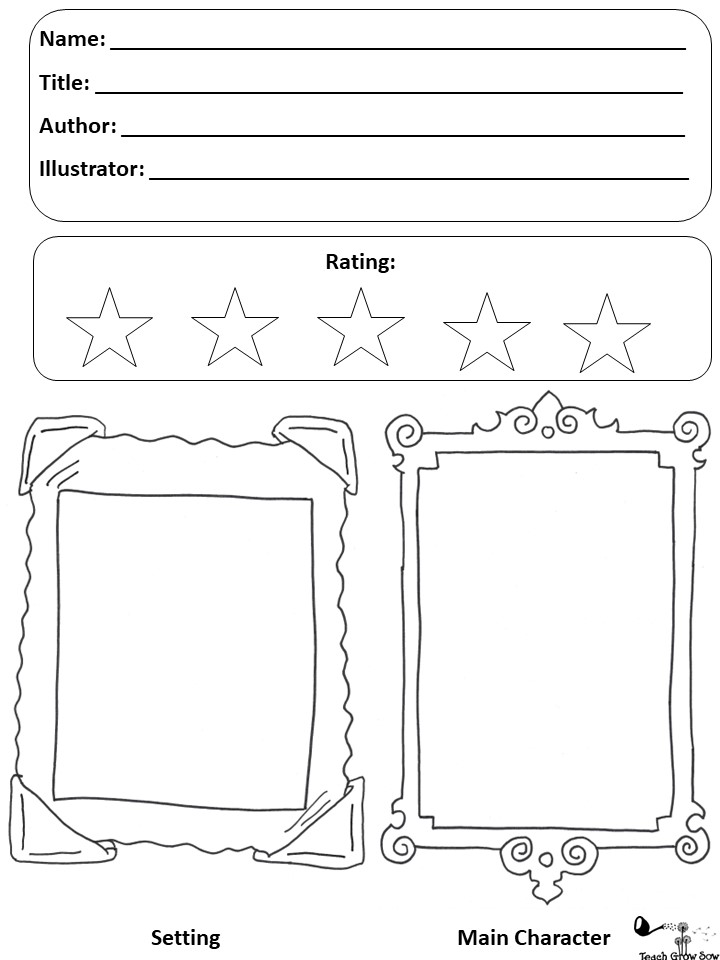
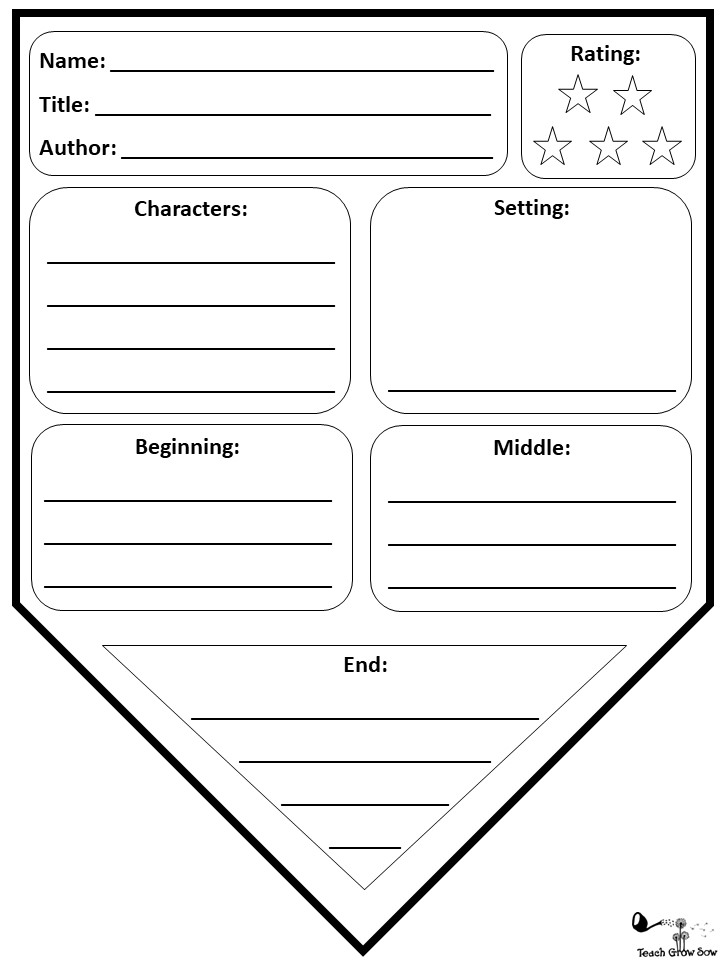
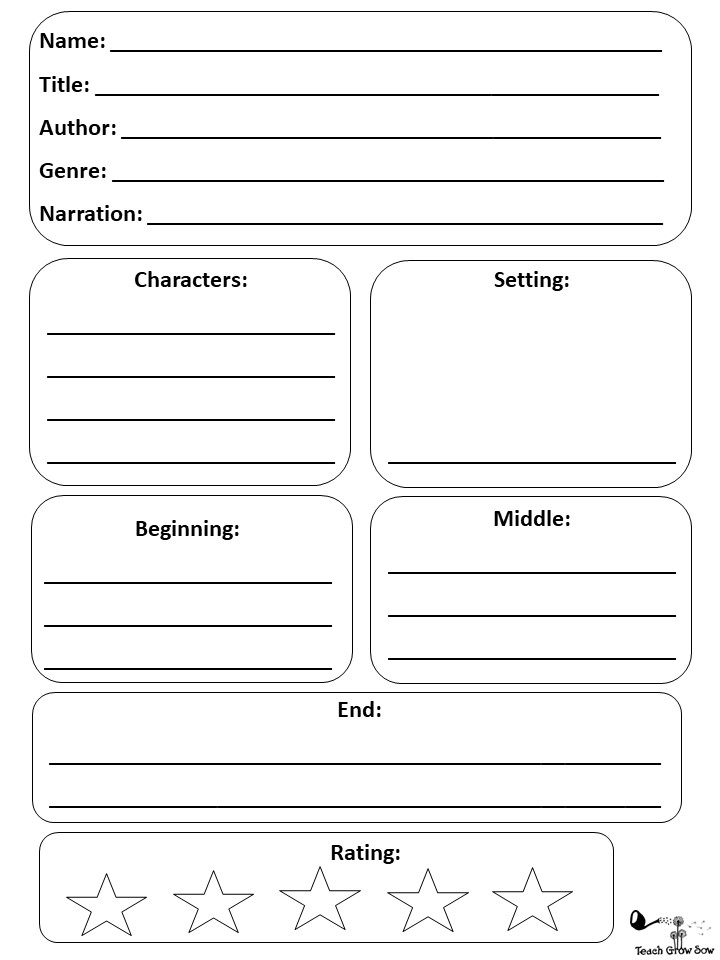
Character Report
Mini Books
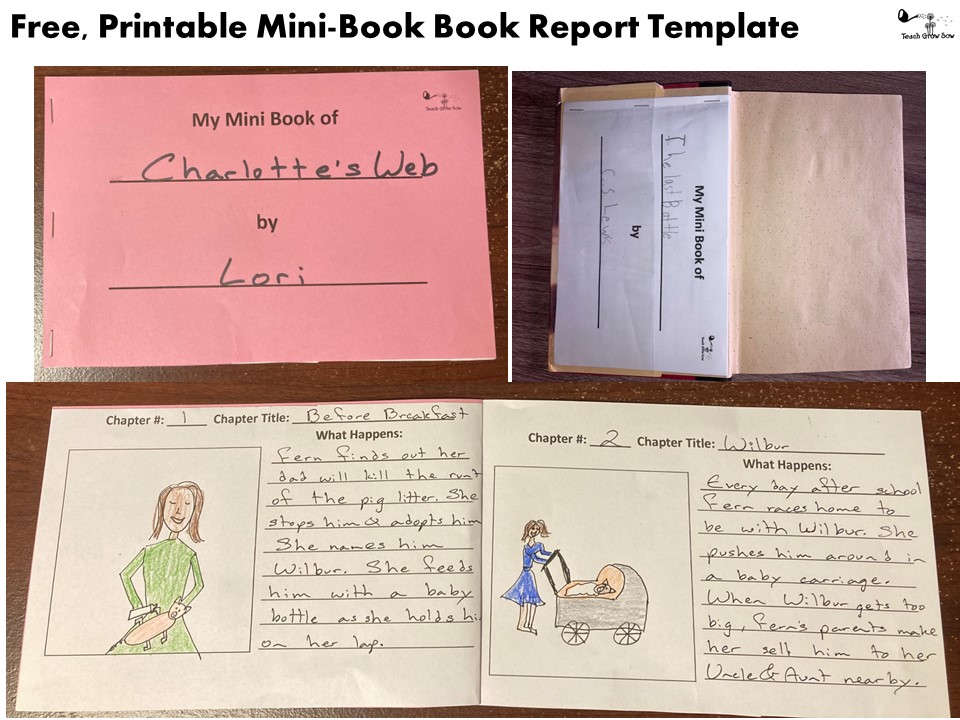
Use these pages to create a mini book that students can fill in to help them with summarizing the plot of a novel study. For many books, the half-page size will allow students to slip the booklet right into the cover jacket.
Book Scouts
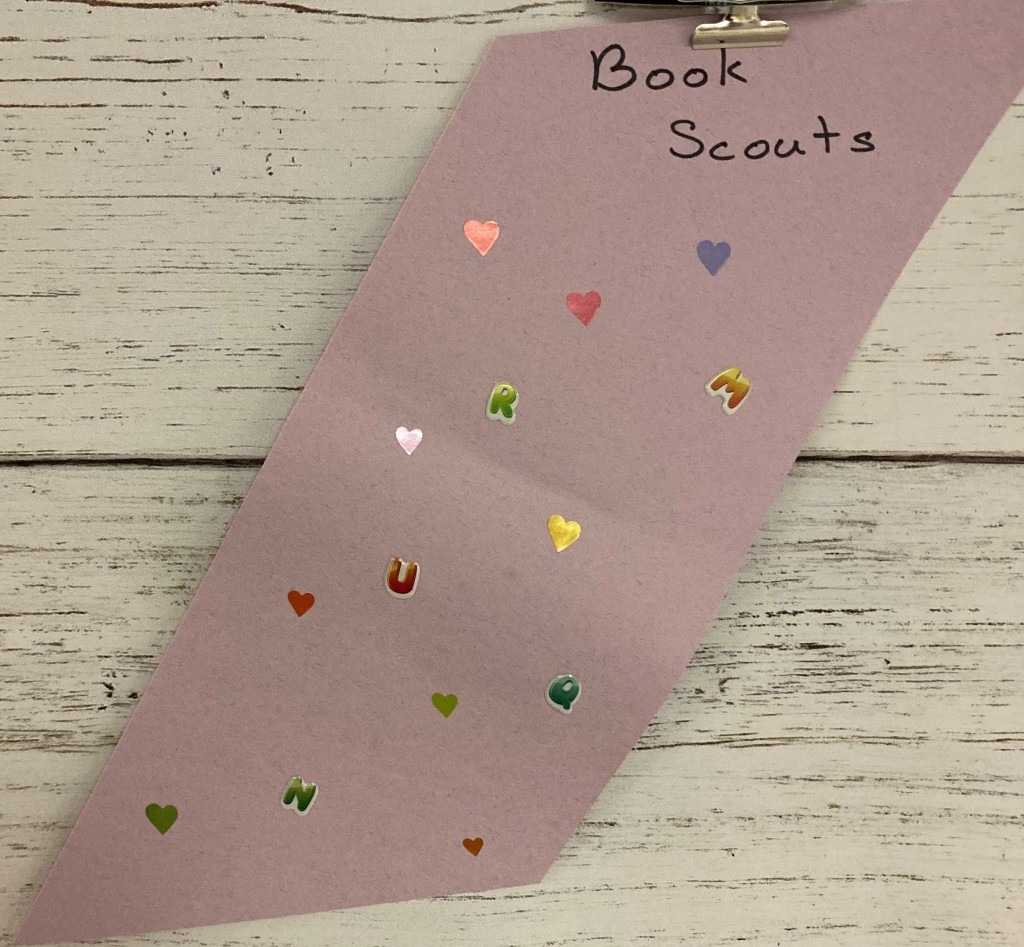
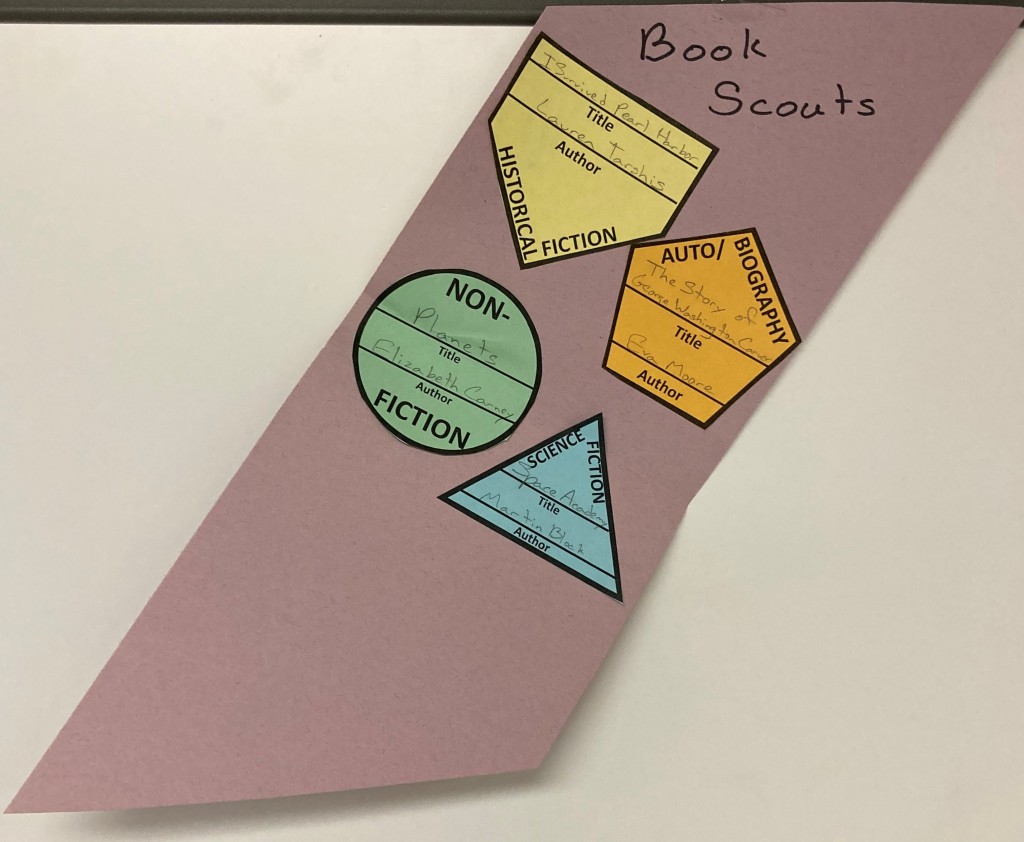
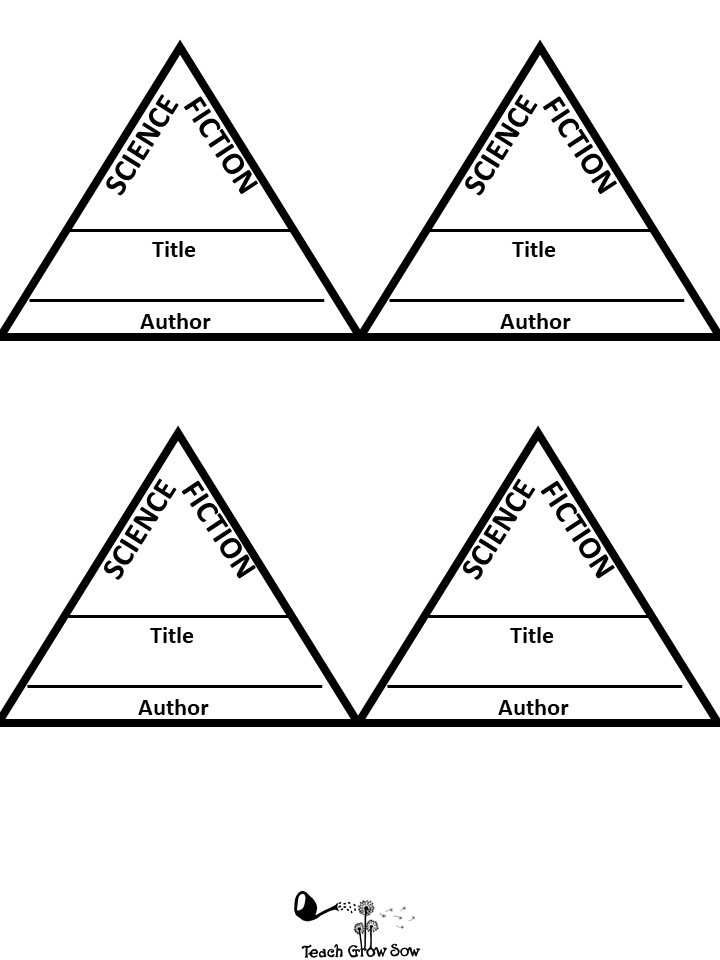
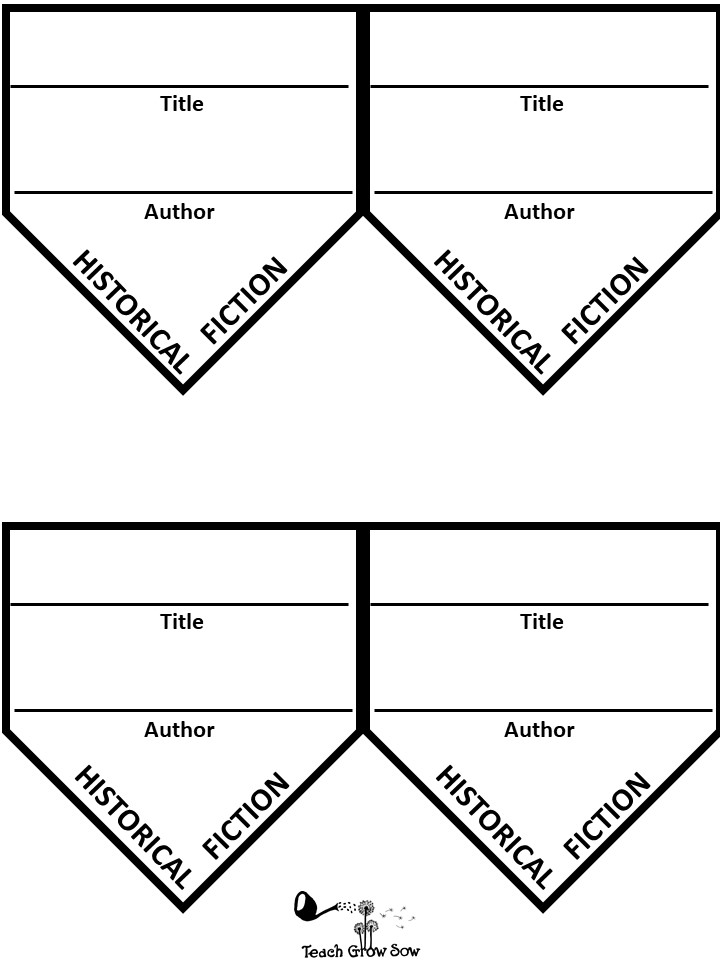
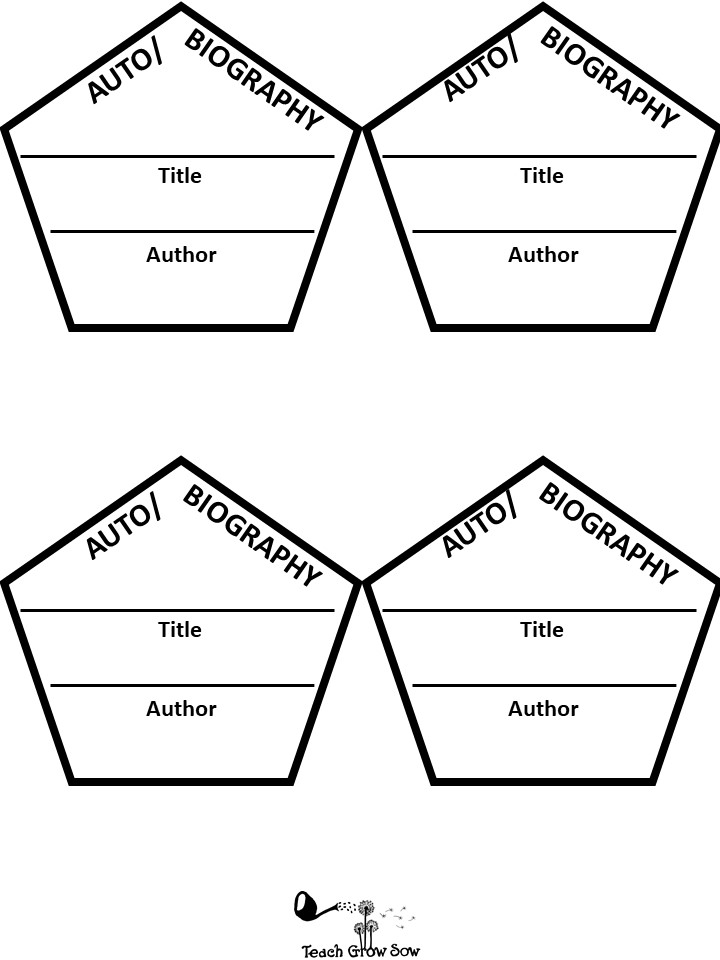
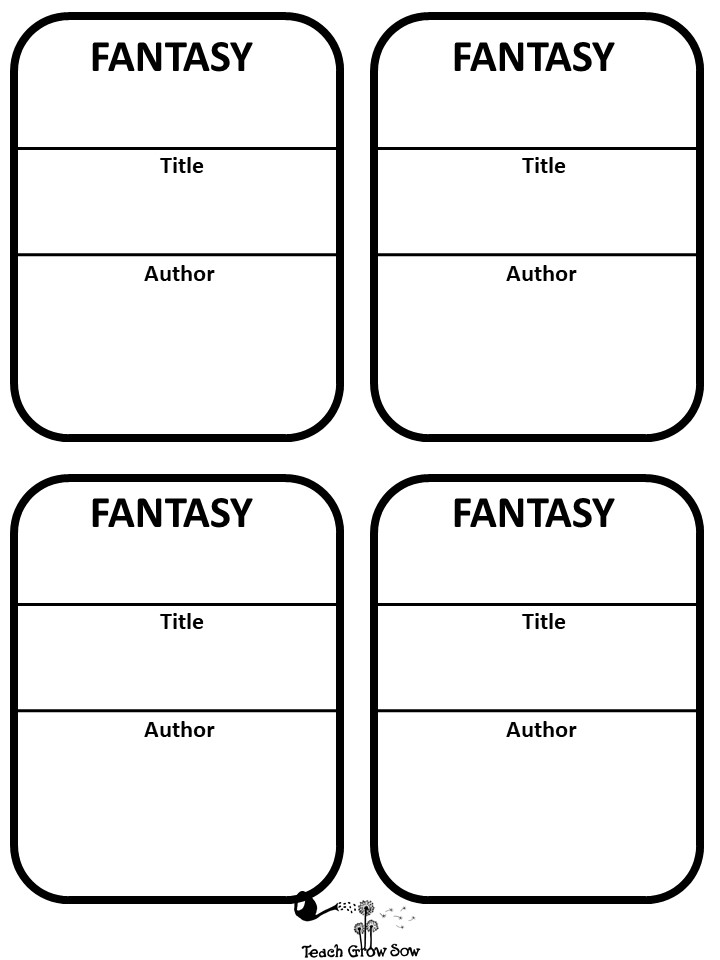
Encouraging independent reading is one of the most important and most challenging tasks for elementary. One theme that can be fun is “book scouts.” Just like boy and girl scouts, students have a sash (made of paper) and can earn “badges” to put on it. Depending on the grade you teach, students may earn a badge for one book, or a set number of books.
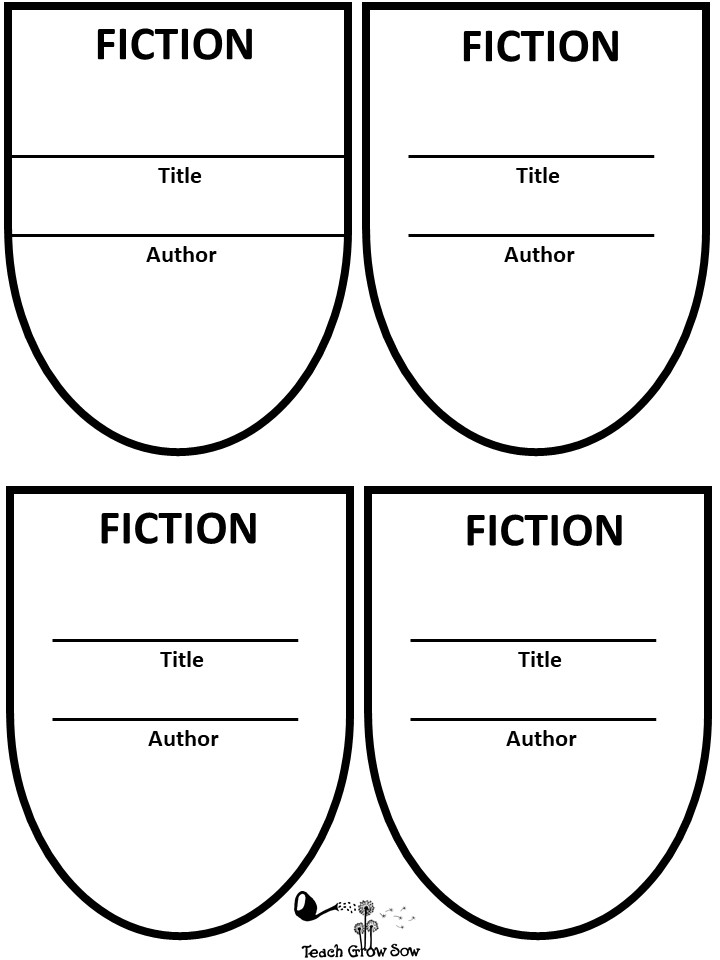
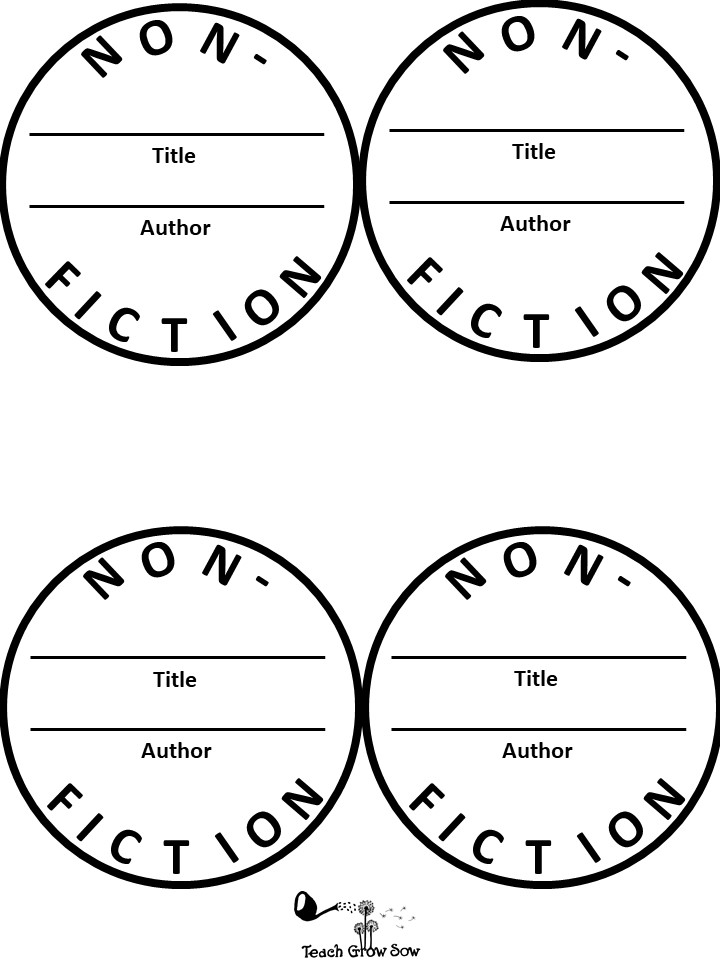
The badges can be anything, such as stickers, but you can also print these badges. Choose between those with genre listed, or those without. You may want to print different genres on different colored paper.
How publicly the sashes should be displayed depends on your school culture and the personalities of your students.
Book Portfolios
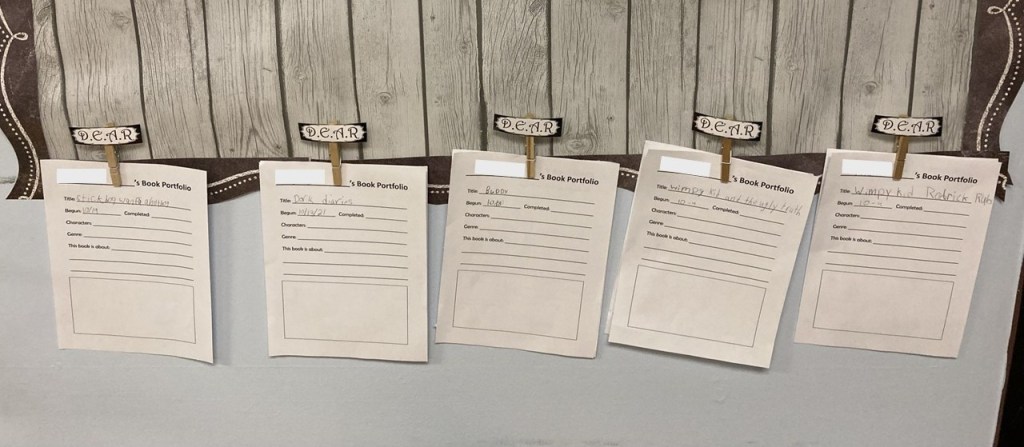
Another way to keep track of and encourage independent reading, is to help children create portfolios for the books they read. Print this page to have students fill out each time they complete a book. They can enjoy watching their portfolio of completed books grow and also look back on past pages to remember how they liked previous reads.
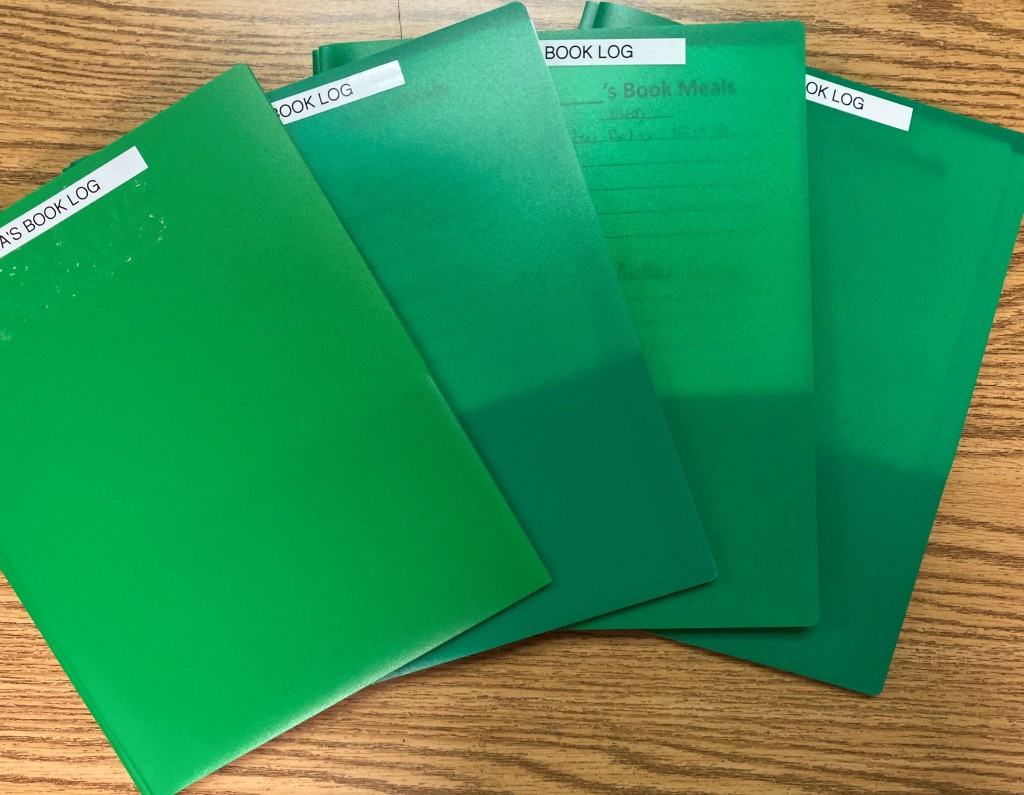
This can also help you to keep track of what each student is reading at any given time. When they start a new book, have them fill out the top half, then clip it to the board. You can put names on each clip, so you can see if anyone’s is missing to check in with them and make sure they have a book at all times.
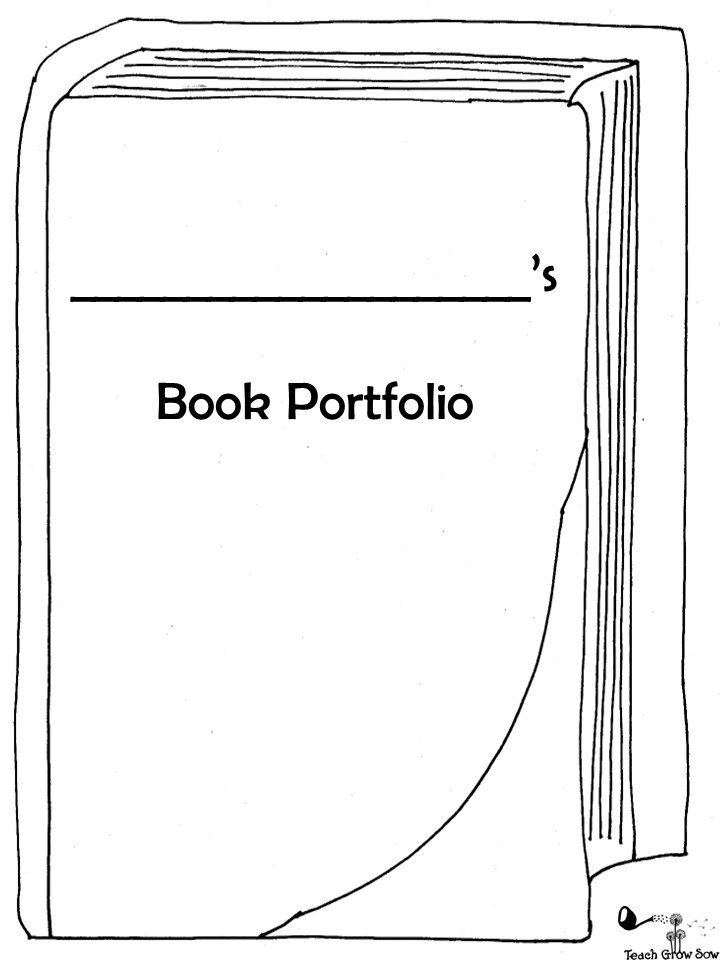
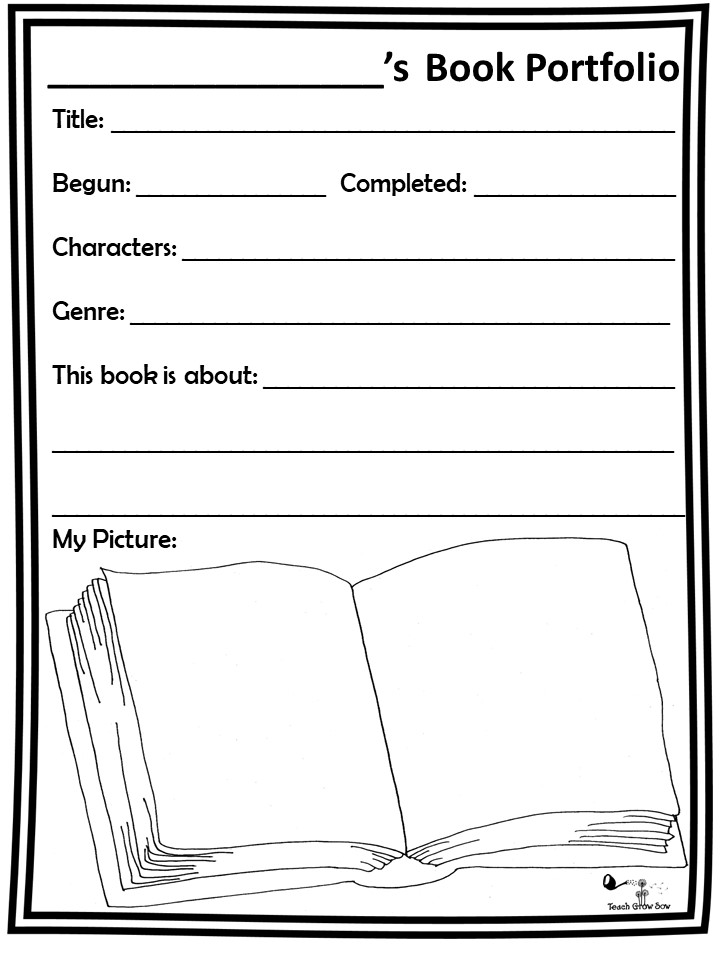
Or, use these pages as part of a class book of everyone’s “book reviews.” Keep them all together in a binder in the class library.

Book Meals
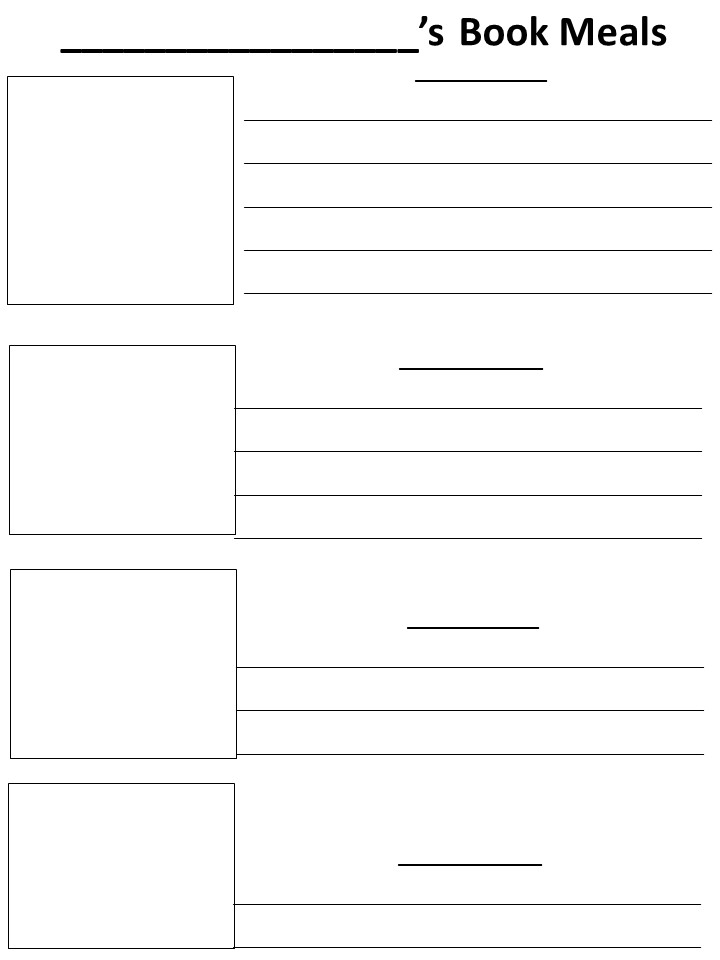
Sometimes students can get stuck in a rut of always reading the same type of book. While it is fantastic to have favorites that get children yearning to pick up their books, it is also beneficial to sometimes take time to expand their horizons. One way to do this is with Book Meals. Have students complete this page, drawing pictures of their favorite food, a food they like, a food they think is okay, and one they haven’t tried yet. Then, have them choose their favorite genre, a genre they like, one they think is okay, and one they have not tried yet. The goal is to continue enjoying favorites, while also trying new things in between.
Keep older readers motivated with a yearly book list.

Looking to get students interested in certain books?
Have a book tasting party!
This is particularly ideal for novels. Spread your top books around the room. Print out or book mark a great passage from each one. Create a sign up sheet for parents to bring in foods that have to do with each book. Students spend time at each desk “tasting” different books. Here are some ideas to start:
Charlottes Web: popcorn or another carnival food
Crenshaw: jellybeans
Sarah, Plain and Tall: flapjacks or cornbread
Holes: peach juice
The Tale of Despereaux: French cheese and baguette
Number the Stars: latkes or blintzes
From the Mided-up Files of Mrs. Basil E. Frankweiler:
Matilda: chocolate cupcakes
James and the Giant Peach: peaches
Charlie and the Chocolate Factory: chocolate bars
Little House on the Prairie: flapjacks or cornbread
The Westing Game: Chinese dumplings or egg rolls
Counting by 7s: Vietnamese spring rolls
Wonder: mini bagels
Play a game of musical books!
This is particularly ideal for picture books. Place chairs in a circle, facing out, just like in the game musical chairs. Place a book on each chair. Students walk around the chairs in a circle while music plays. When the music stops, everyone sits down at the chair in front of them and begins to read the book on it.
Click here to sign up for notifications on Facebook, Instagram, and YouTube.
Have questions or feedback? Email:
teachgrowsow@gmail.com
 Teach Grow Sow