Click here to sign up for notifications on Facebook, Instagram, Pinterest, and YouTube.
Element Report
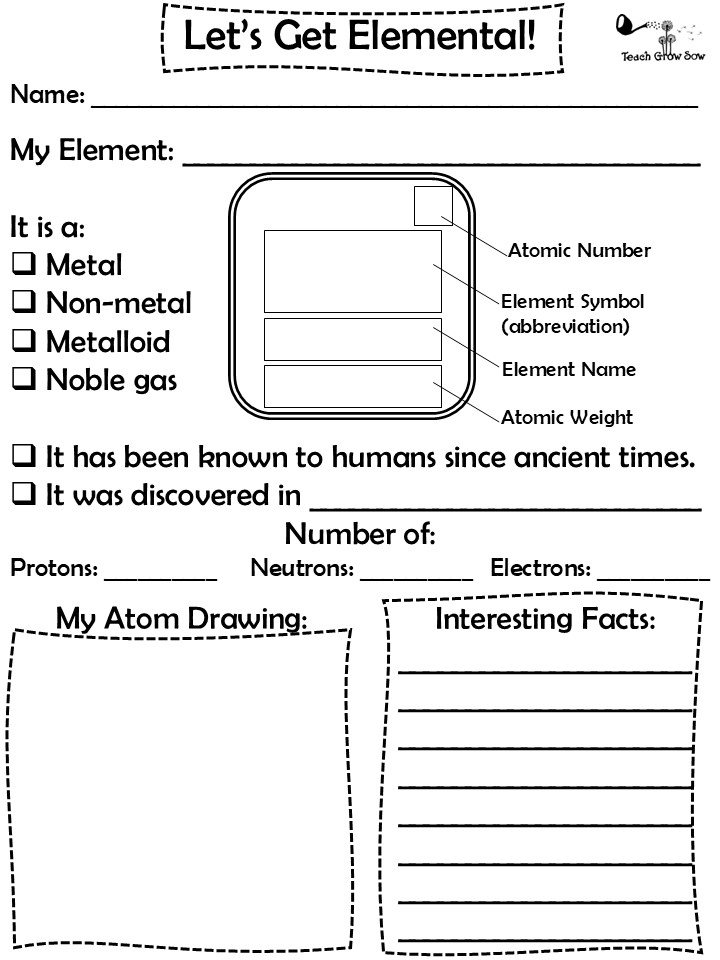
What’s the Matter?
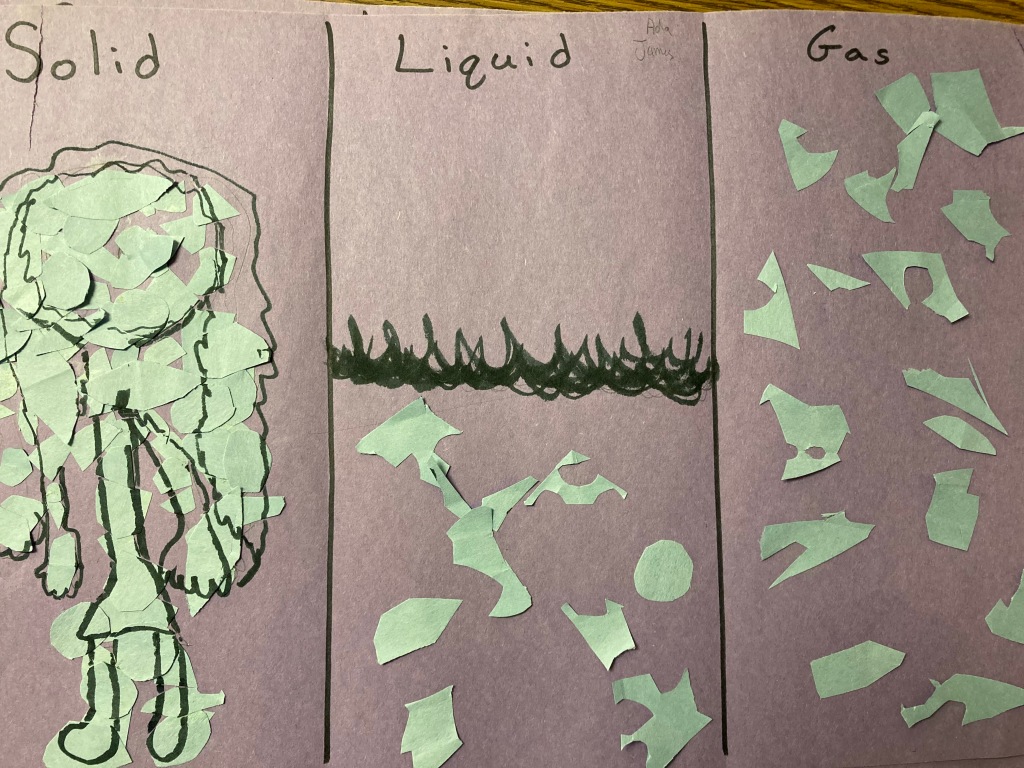
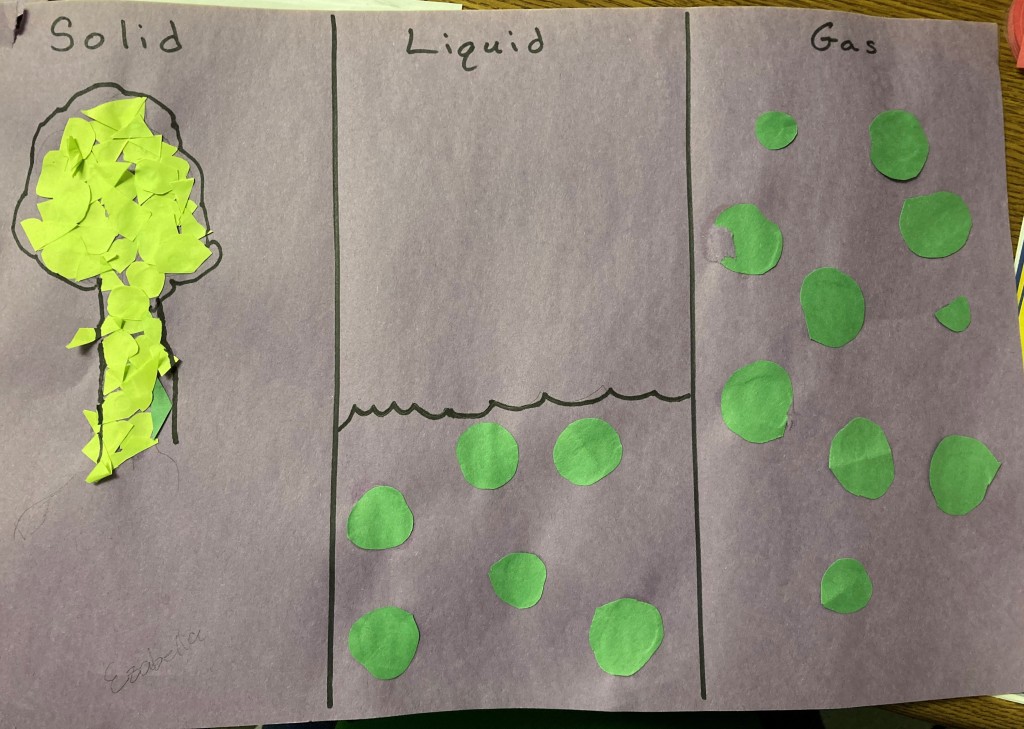
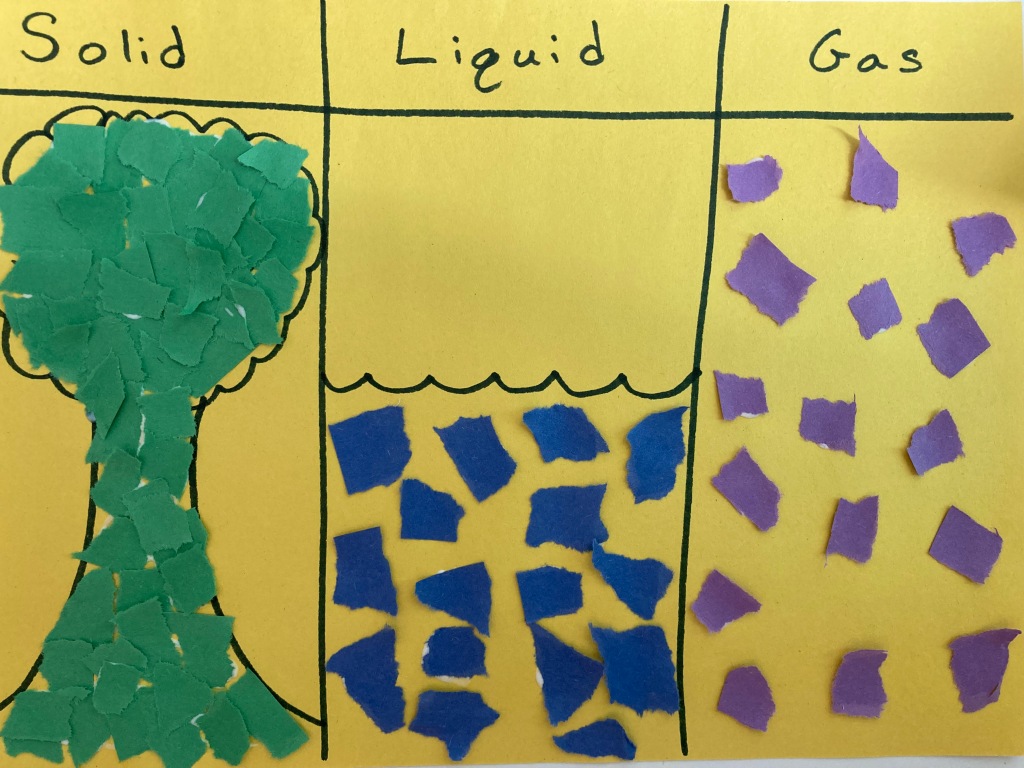
To teach children about the types of matter, fold a large paper into three sections.
Have children draw an object of their choice under SOLID, a water line in the middle of LIQUID, and nothing below GAS.
Use the template below or give children a large piece of paper the fold into thirds.
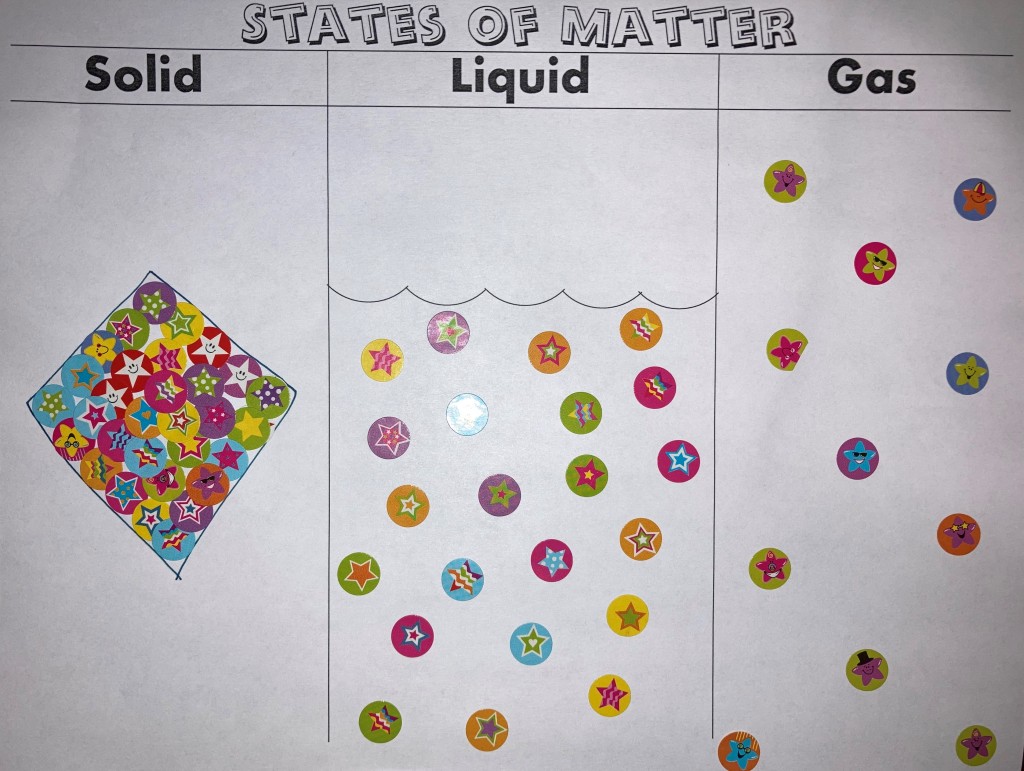
Children can tear pieces of paper or use stickers to fill up their types of matter, packing them together tightly in the solid, loosely below the line for liquid and scrambled all over for gas.
For an added challenge, have children put the exact same number of stickers in each section (making sure that their solid has a shape that is based on the stickers all being tightly packed).
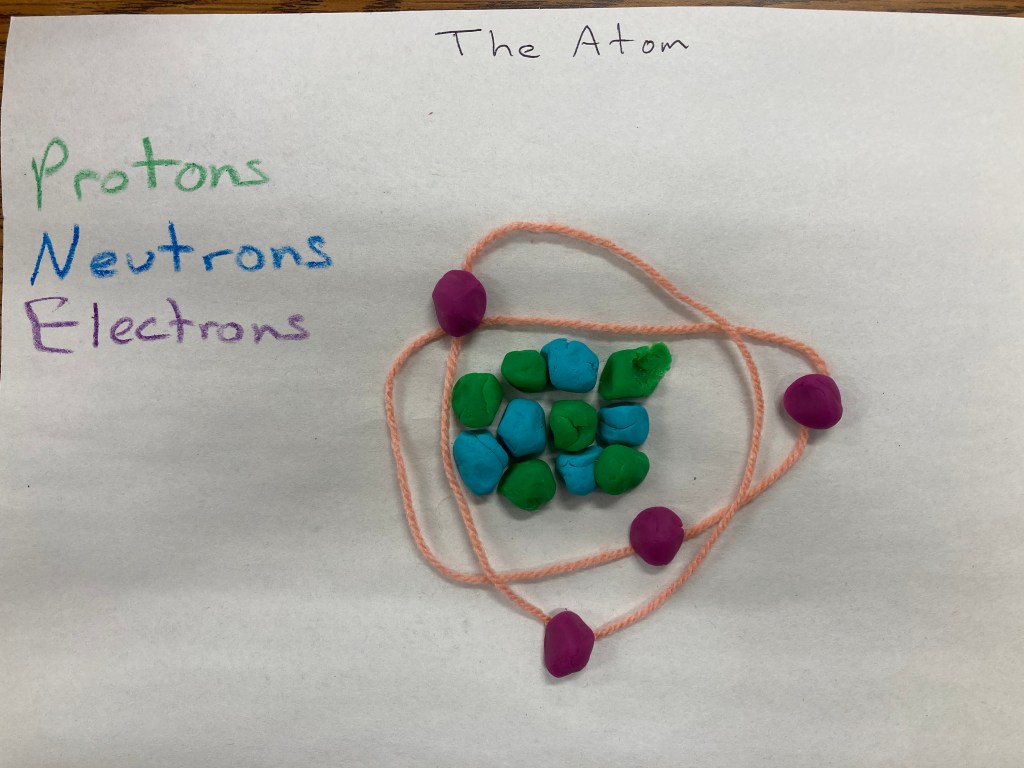
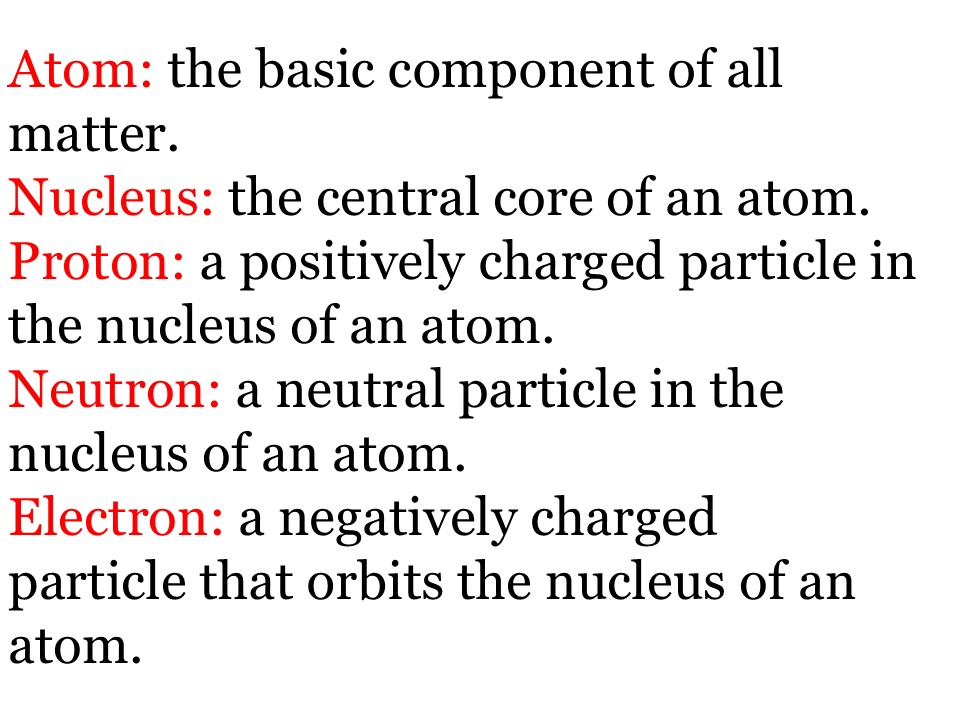
Make an atom diagram with modeling dough and string (or two large, thin rubber bands). Use a different color for protons, neutrons, and electrons.
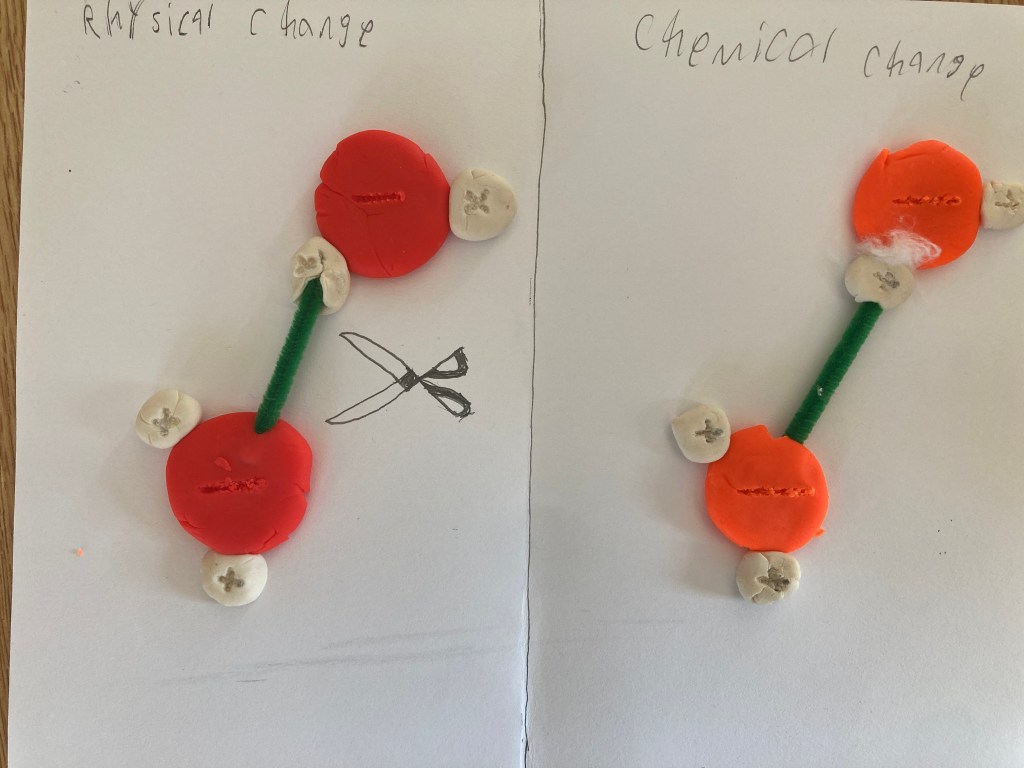
Make a diagram showing the difference between a physical change and a chemical change. Have students create two molecules of modeling dough connected by pipe cleaner. Demonstrate physical change by cutting (or drawing scissors by) the connection between the two molecules. Demonstrate the chemical change by placing a small amount of cotton between the atoms to show an action (like heat) breaking the chemical bond.
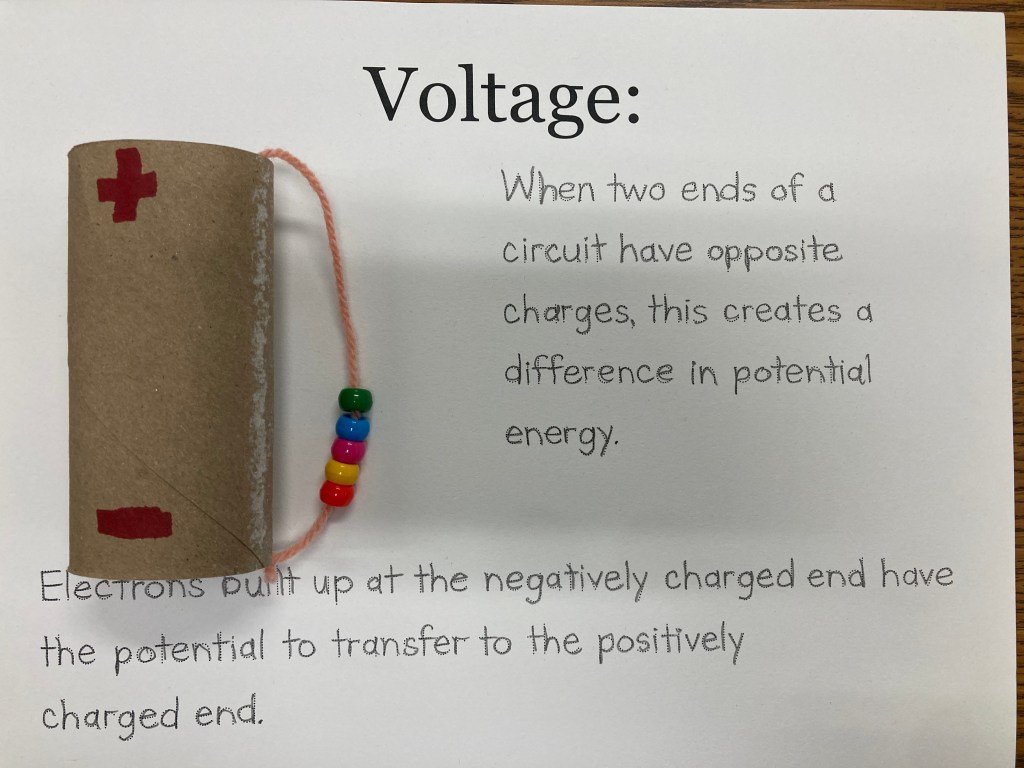
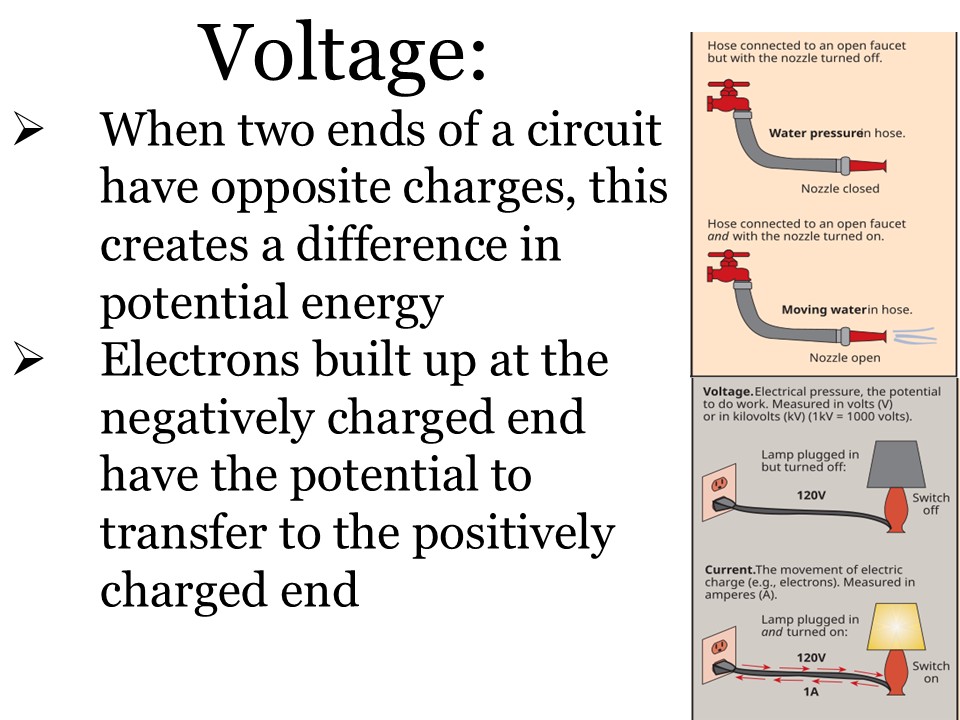
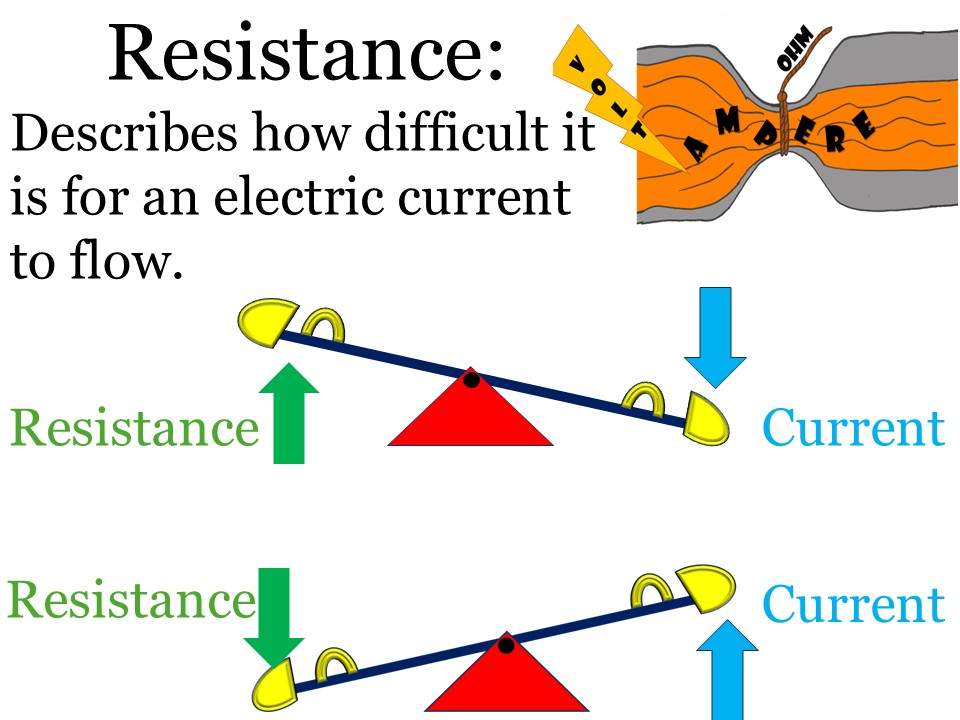
Make a battery model with a toilet paper roll, string, and beads. Draw a positive and negative end onto the tp roll. Add several beads to some string, and tie it tight enough that the beads aren’t drooping, but loose enough that students can demonstrate how the voltage travels back to the battery as it makes its circuit.
Series/Parallel Circuit Model
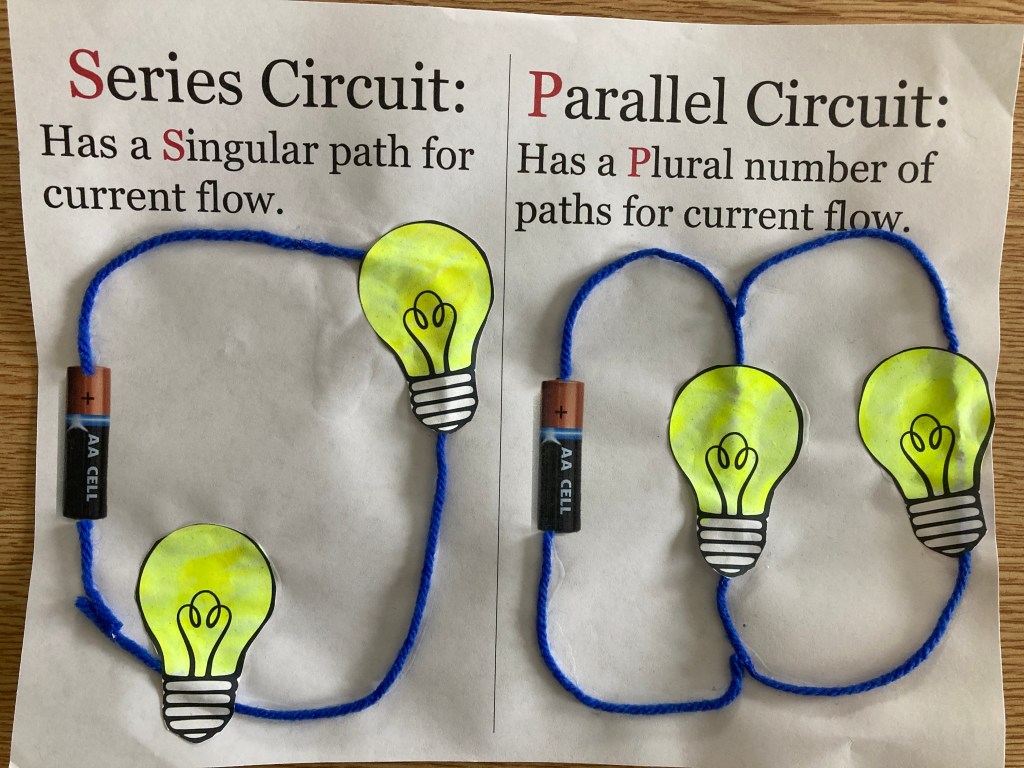
Use this page to help students remember the difference between a series and parallel circuit.
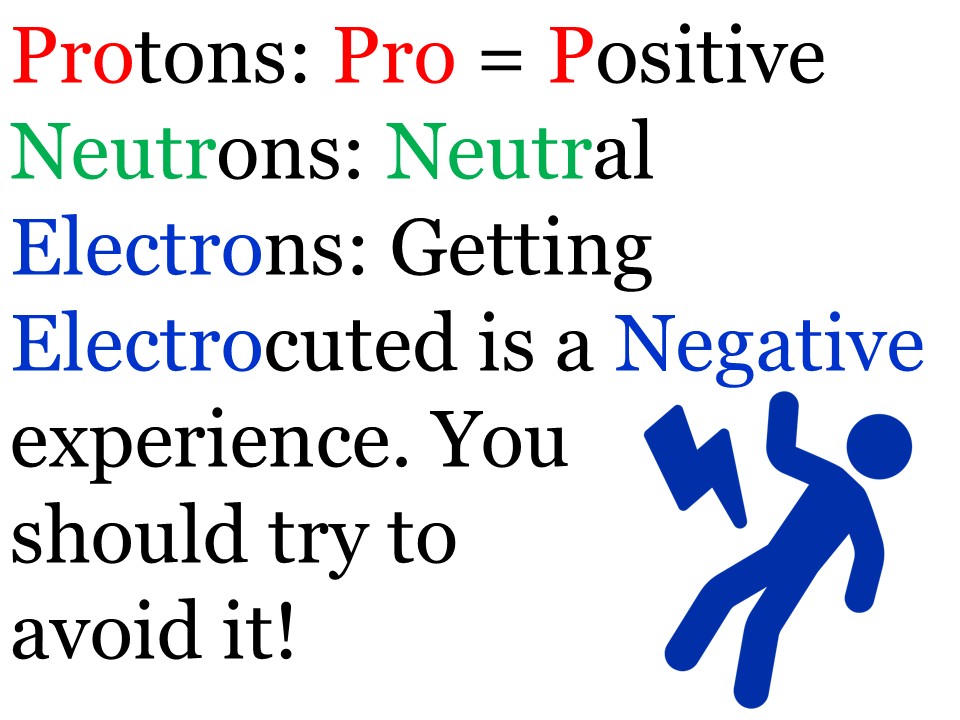
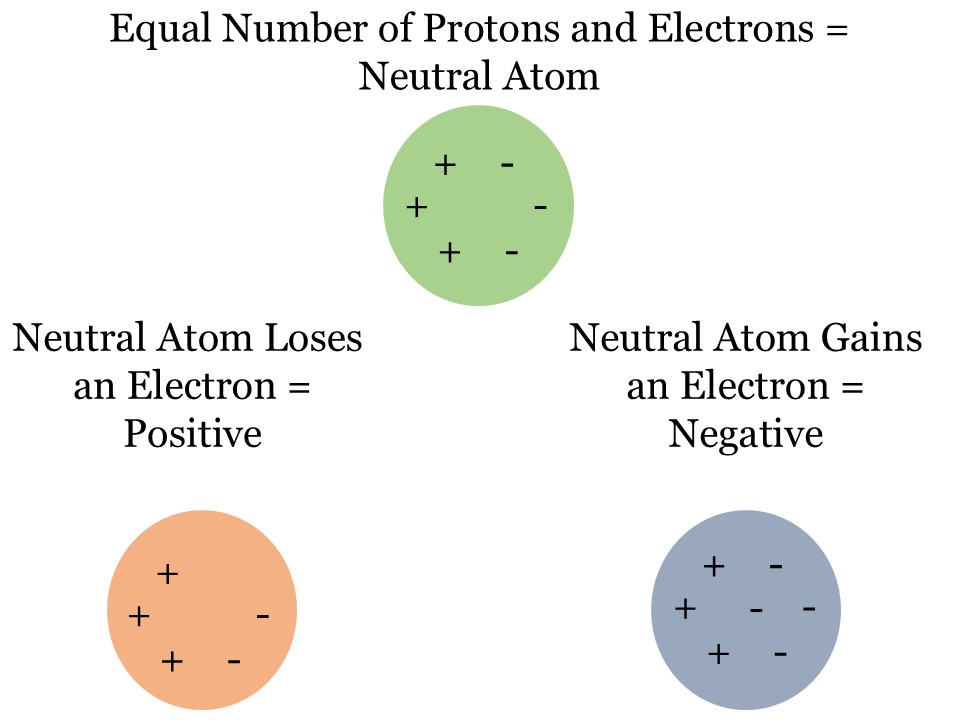
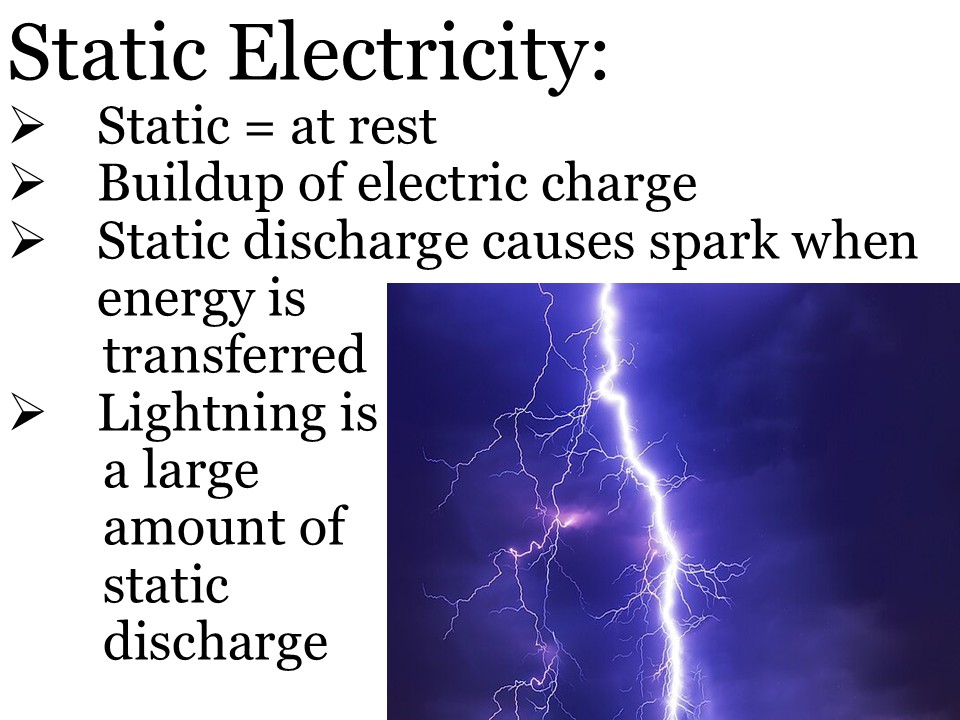
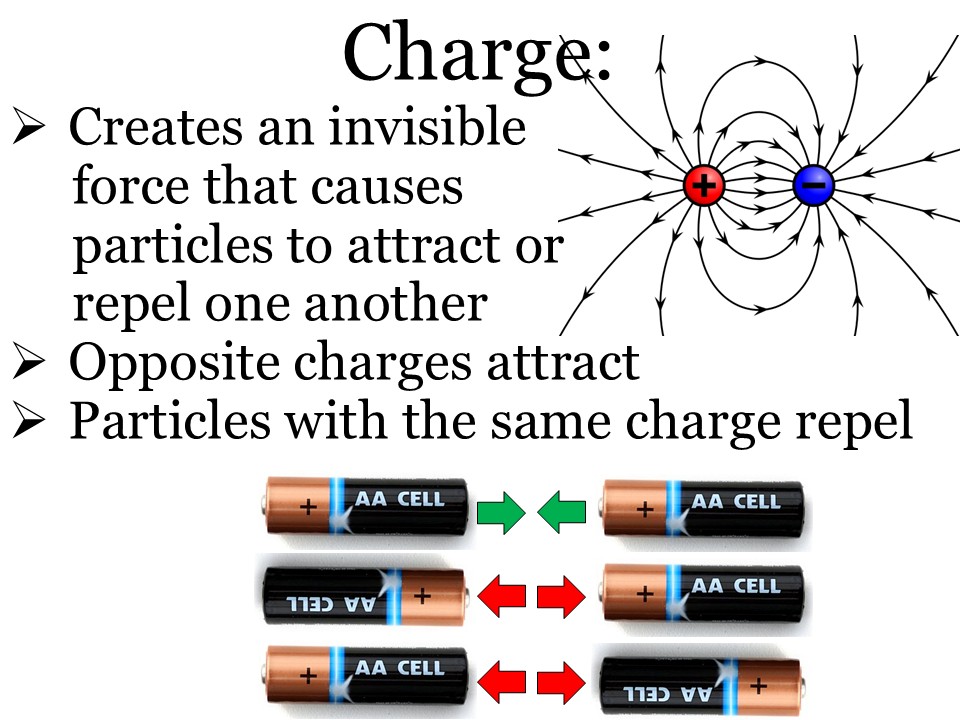
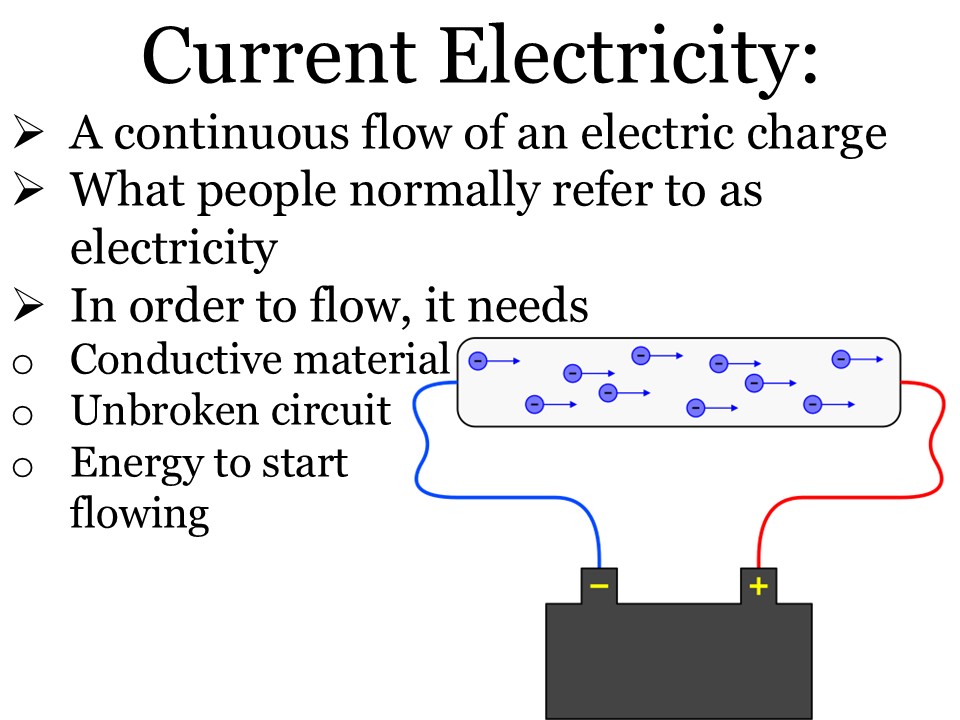
Electricity Slides/Posters

Types of Levers
Use this activity to help children learn about types of levers.
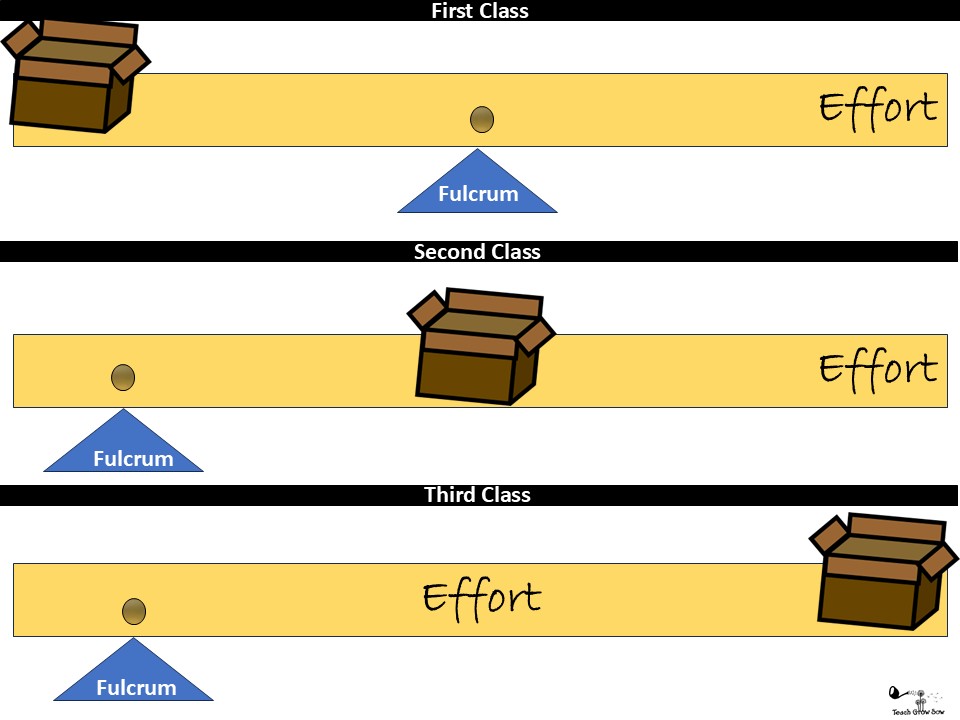
Copy all pages onto thick cardstock.
Cut out each part.
Poke a hole above each fulcrum with a sharp pencil.
Use a brad fastener to attach the plane to the fulcrum.
Follow the instructions on the sample slide to write effort and glue the box onto the correct part of each lever class.
Oobleck
Oobleck is such a great class activity. Use this recipe to teach children about Non-Newtonian liquid. Please make sure students understand that while this is made from edible ingredients, the final product is not edible.
Ingredients:
2 cups cornstarch
1 cup water
Optional: 3 drops food coloring
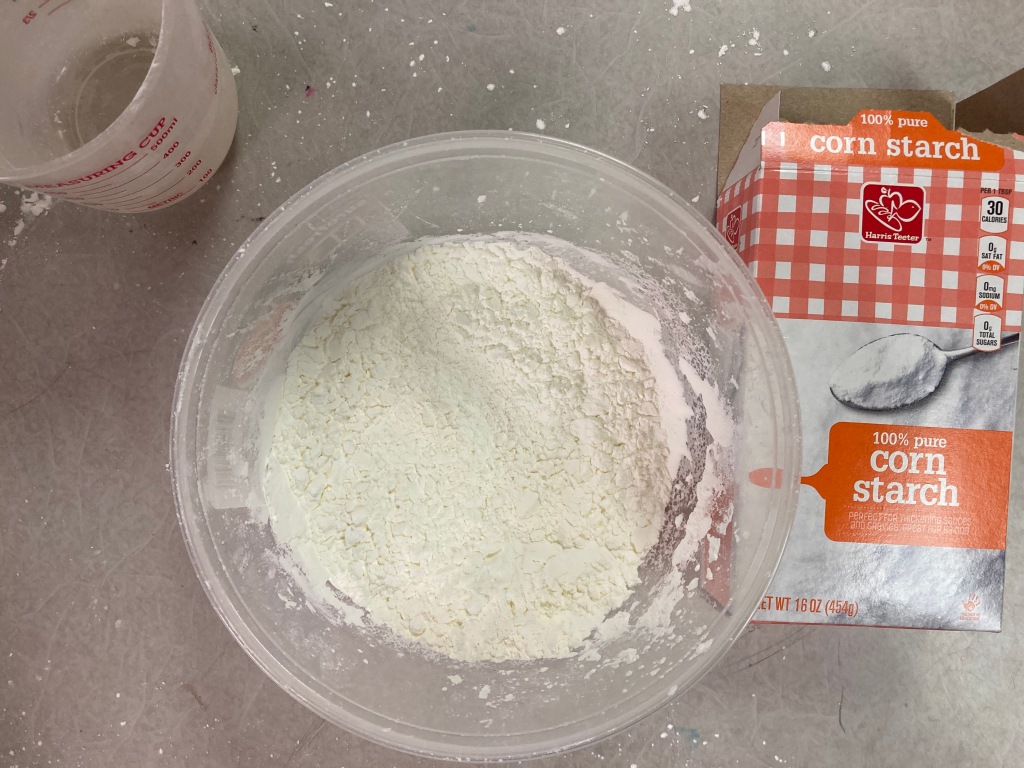
Prepare all ingredients ahead of time.
If possible, do this experiment outside.
If indoors, cover table and floor below it with bulletin board paper.
It is recommended to give parents a head’s up that their children’s clothes may come back messy.
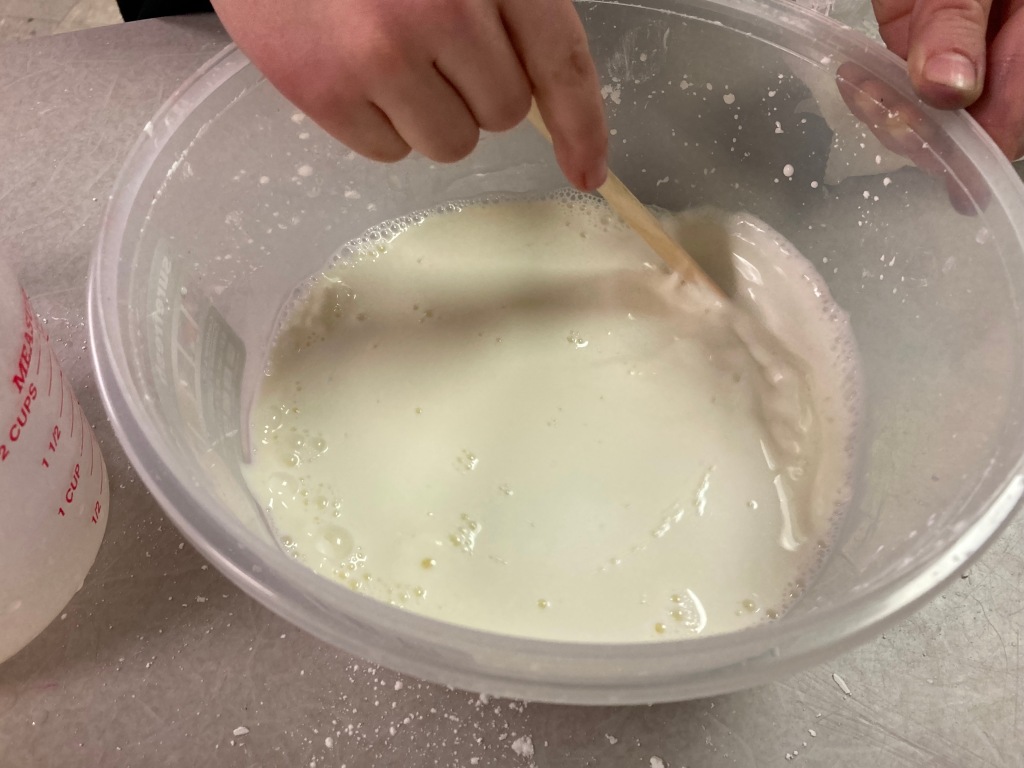
Begin with the cornstarch in a bowl.
Add in 1/4 cup of water at a time, stirring slowly with a craft stick.
Once the oobleck as the desired consistency, stop adding water, even if it does not all get used.
Students will have lot of fun poking the oobleck as a solid, then slowly pushing their fingers into it as a liquid.
If you want each child to make their own oobleck, it can be sent home in a plastic bag, or you can request that parents send in a small container for it.
Warning! Oobleck is perishable and will harden or even develop a nasty smell when left out. If you are not keeping it in the refrigerator, throw it out in a trash can outside your classroom.
Pulleys
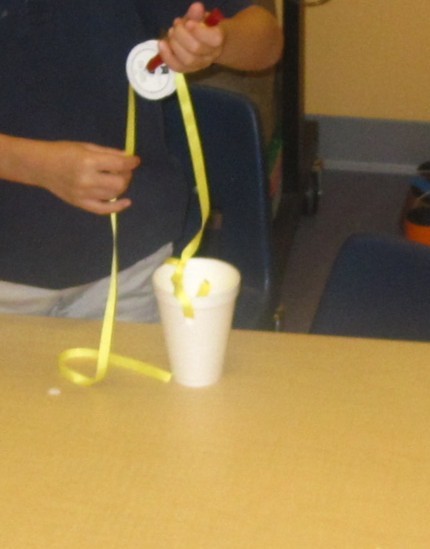
Use an empty ribbon holder, with a pencil through it to create a pulley.
Loop one end of the ribbon through a paper cup with holes punched on each side of the rim.
Loop the other end through the ribbon holder.
Levers
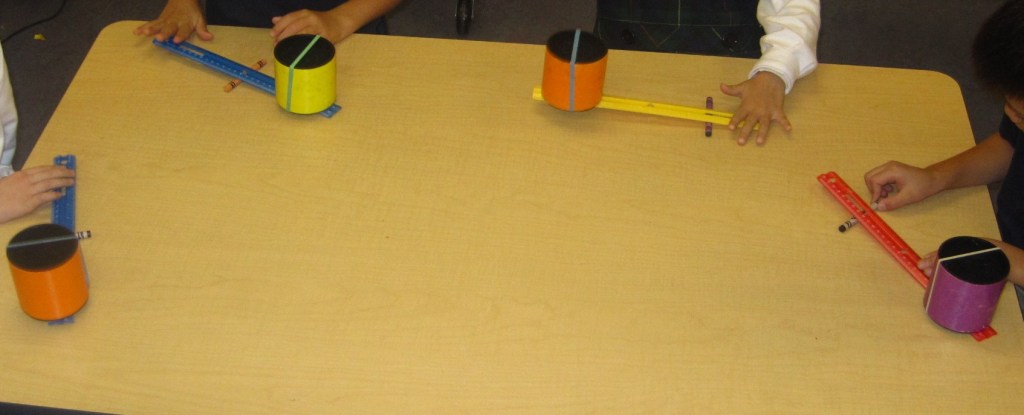
Attach a cup to one end of a ruler with two rubber bands, one at each edge. Place a small ball inside of the cup. Place a pencil at different parts under the ruler. Experiment to find which placement makes the ball fly higher.
Want to get a monthly digest of all that’s new at Teach Grow Sow?
Click here to sign up for notifications on Facebook, Instagram, and YouTube.
Have questions or feedback? Email:
teachgrowsow@gmail.com
 Teach Grow Sow